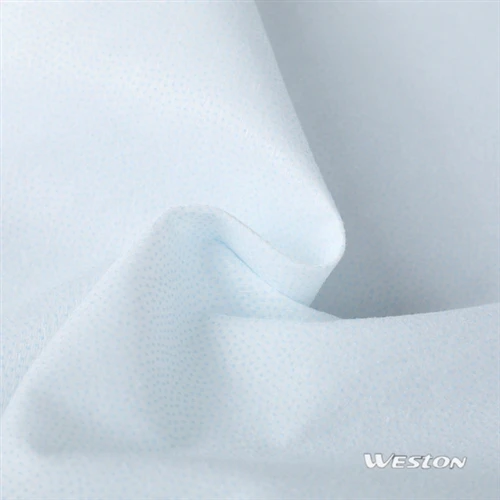
In the realm of textiles, innovation is key to meeting the ever-evolving demands of various industries. One such groundbreaking material is TNT fabric, also known as Thermal Bonded Nonwoven Technology fabric. This versatile fabric has gained traction across multiple sectors due to its unique properties and applications. Let's explore what TNT fabric is, how it's made, and why it's becoming increasingly relevant in our daily lives.
Understanding TNT Fabric
Definition of TNT Fabric
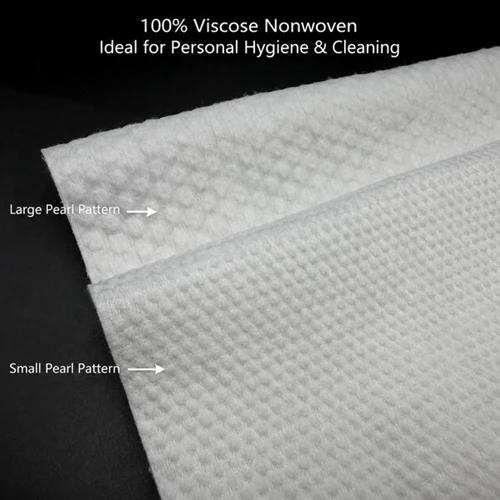
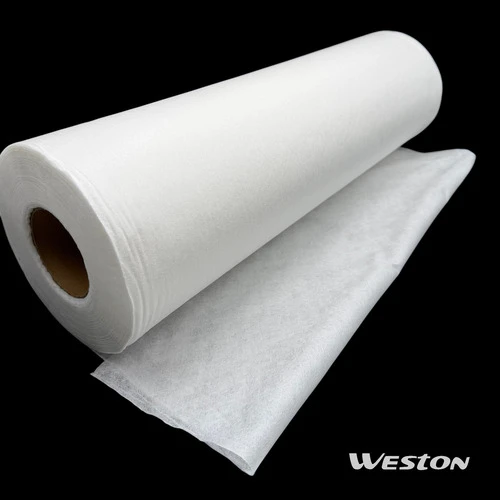
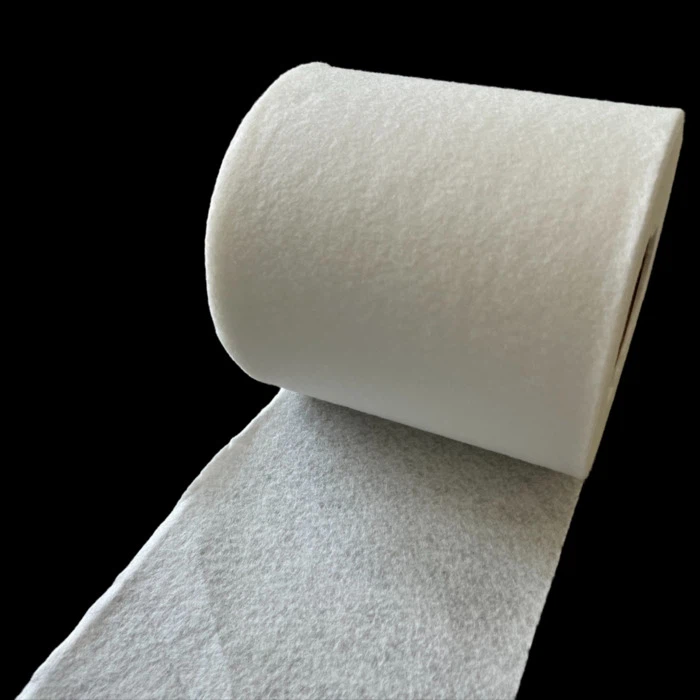
TNT fabric is a nonwoven textile made from polypropylene and other fibers, bonded together through a thermal process. Unlike traditional woven fabrics, which are created by interlacing yarns, TNT fabric is formed by fusing fibers together, resulting in a lightweight yet robust material.
Historical Background
The journey of nonwoven fabrics began decades ago, but TNT fabric emerged as a significant innovation in the late 20th century. As industries sought more efficient and cost-effective materials, TNT fabric became a popular alternative, finding its niche in healthcare, hygiene, and consumer products.
The Science Behind TNT Fabric
Manufacturing Process
The production of TNT fabric involves several key steps:
Raw Material Selection: The primary material is polypropylene, chosen for its durability and flexibility. Other fibers may also be included to enhance specific properties.
Thermal Bonding: In this process, the selected fibers are heated to a temperature that causes them to melt at their junction points. This creates a strong bond without the need for adhesives, resulting in a fabric that is both resilient and eco-friendly.
Physical Properties
TNT fabric is characterized by its lightweight nature, soft texture, and impressive strength. Unlike woven fabrics, which can be heavy and bulky, TNT fabric is easy to handle and transport, making it ideal for a wide range of applications.
Applications of TNT Fabric
Medical and Hygiene Products
One of the most critical uses of TNT fabric is in the medical field. It is commonly found in surgical gowns, masks, and other healthcare items. The fabric's ability to provide a barrier against contaminants while remaining breathable is essential for maintaining hygiene and safety in medical settings.
Industrial Uses
In addition to healthcare, TNT fabric has numerous industrial applications. It is used in filtration systems, insulation materials, and packaging solutions. Its durability and efficiency make it an excellent choice for demanding environments.
Consumer Products
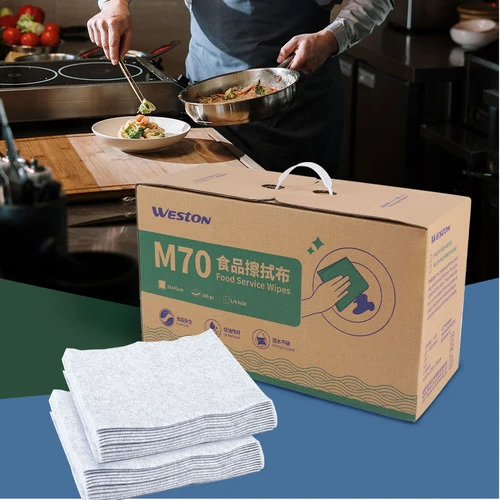
TNT fabric has also made its way into household items. Products like cleaning wipes and gardening supplies benefit from its absorbency and softness. Consumers are increasingly drawn to TNT fabric for its eco-friendly qualities, as it is often biodegradable and made from renewable resources.
Advantages of TNT Fabric
Lightweight and Strong
One of the standout features of TNT fabric is its impressive strength-to-weight ratio. It provides the necessary durability without the bulk, making it suitable for various applications where lightweight materials are essential.
Cost-Effectiveness
TNT fabric is also economically advantageous. Its production process is often less resource-intensive than traditional fabrics, resulting in lower costs for manufacturers and consumers alike.
Sustainability
Sustainability is a growing concern in the textile industry, and TNT fabric addresses this issue effectively. With its biodegradable properties and the use of recycled materials, TNT fabric supports environmentally friendly practices.
Challenges and Limitations
Performance Under Stress
While TNT fabric excels in many areas, it does have limitations. Its performance may be compromised in extreme conditions, such as high temperatures or excessive moisture. Understanding these limitations is crucial for selecting the right material for specific applications.
Perception in the Market
Despite its advantages, there can be misunderstandings about nonwoven fabrics like TNT. Some industries may be hesitant to adopt new materials, requiring education and awareness to overcome skepticism.
The Role of Weston in TNT Fabric Manufacturing
Weston's Contribution
Weston has established itself as a significant player in the Chinese manufacturing landscape, particularly in the production of TNT fabric. The company's commitment to innovation and quality has positioned it at the forefront of this industry.
Products Offered
At Weston, a variety of products are available, including Exfoliating Facial Wipes and 100% Bamboo Fiber Checkerboard Diamond Embossed Spunlace. These offerings highlight the versatility and application of TNT fabric in consumer goods.
Commitment to Quality
Weston places a strong emphasis on quality control and sustainable practices in its manufacturing processes. For those interested in exploring these innovative materials, Weston invites users to request a free sample at info@westonmanufacturing.com.
Future Trends in TNT Fabric
Innovations in Production
The future of TNT fabric looks promising, with ongoing research and potential advancements in manufacturing techniques. Innovations may lead to even more efficient production methods and enhanced material properties.
Market Growth
As sustainability becomes a priority for consumers and industries alike, the demand for TNT fabric is expected to grow. This trend will likely result in new opportunities for manufacturers and product developers.
Expanding Applications
The possibilities for TNT fabric are vast, with new fields and applications continually emerging. From fashion to automotive, the adaptability of TNT fabric opens the door to exciting innovations in product development.
In summary, TNT fabric represents a remarkable advancement in the textile industry, offering a blend of sustainability, performance, and versatility. As we continue to explore and understand this innovative material, its role in our everyday lives will only expand, paving the way for a more sustainable future in textiles.