Diapers are essential products for infants and toddlers, designed to provide comfort and convenience for both babies and caregivers. Understanding the raw materials that make up these products is crucial for making informed purchasing decisions. The primary components of diapers include absorbent materials, nonwoven fabrics, and protective layers, each playing a vital role in the diaper's performance.
Understanding Diaper Composition
Diapers are typically structured in three main layers: the top sheet, absorbent core, and back sheet. Each layer serves a specific function. The top sheet is designed to be soft against the baby's skin while quickly wicking moisture away. The absorbent core holds the liquid, ensuring that it is effectively contained, while the back sheet prevents leaks, providing a waterproof barrier.
Key Raw Materials in Diaper Production
Absorbent Materials
The absorbent core is the heart of the diaper, primarily made from two materials: fluff pulp and superabsorbent polymers (SAP). Fluff pulp, derived from wood fibers, provides bulk and initial absorbency. SAP, on the other hand, is a synthetic material that can absorb many times its weight in liquid, transforming it into a gel. This combination ensures that diapers can hold up under various conditions, keeping the baby dry for longer periods.
Nonwoven Fabrics
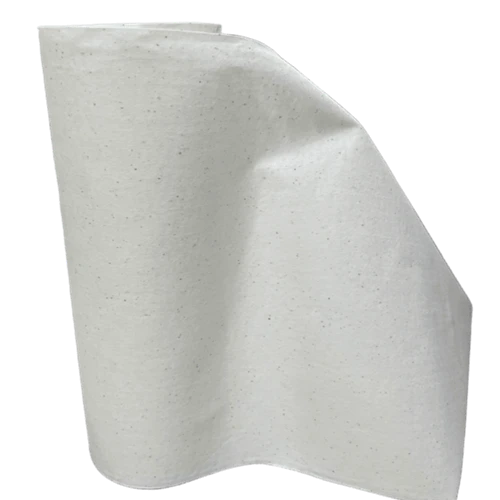
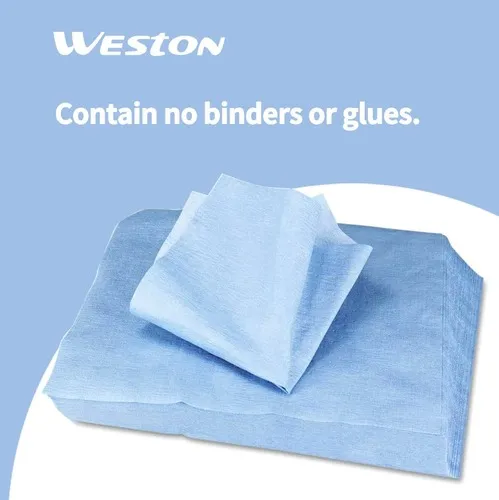
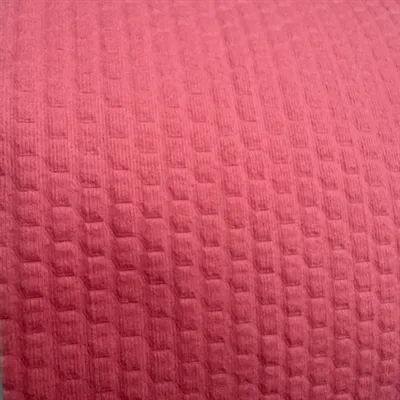
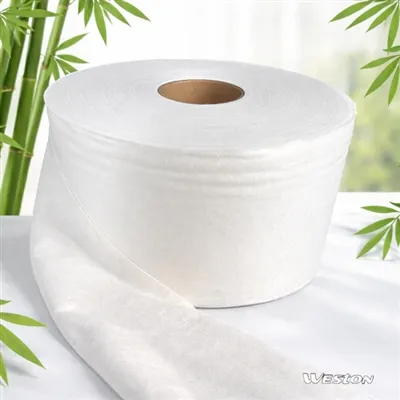
Nonwoven fabrics play a crucial role in diaper production. The Absorbent Nonwoven Fabric For Diaper Core is specifically designed to allow moisture to pass through while maintaining a soft surface. These fabrics are lightweight, breathable, and enhance the overall comfort of the diaper. The technology behind nonwoven fabrics has advanced significantly, improving their effectiveness and softness.
Back Sheet Materials
The back sheet of a diaper is typically made from polyethylene films, providing a waterproof barrier. This material is essential for preventing leaks while still allowing the diaper to be lightweight. The combination of breathability and waterproofing is crucial for maintaining a comfortable environment for the baby.
The Science Behind Absorbency
The mechanisms that allow diapers to absorb moisture are fascinating. Superabsorbent polymers work by absorbing liquid and forming a gel, which minimizes the risk of leakage. Fluff pulp complements this by providing additional liquid retention due to its fibrous structure. Together, these materials create a highly effective absorbent system.
To ensure that these materials perform as intended, rigorous testing is conducted. Factors such as material composition, layer configuration, and environmental conditions are all analyzed to optimize performance.

Environmental Considerations
Sustainability is becoming an increasingly important factor in diaper production. The sourcing of wood pulp for fluff must be done responsibly, with sustainable forestry practices being a priority. Additionally, there is a growing demand for biodegradable materials that can reduce the environmental impact of disposable diapers.
Innovations are underway to develop eco-friendly alternatives to traditional superabsorbent polymers. Companies like Weston Nonwoven are leading the way in creating sustainable diaper materials, focusing on reducing waste while maintaining high performance.
Pros and Cons of Various Materials
Using superabsorbent polymers in diapers offers several advantages. They enhance absorption capacity, reduce leakage, and contribute to a lightweight design that is comfortable for babies. However, there are challenges, particularly concerning environmental impact. Traditional SAPs are often not biodegradable, raising concerns about their long-term effects on landfills.
Balancing performance with sustainability is essential for manufacturers. As consumer awareness grows, the pressure to innovate and adopt greener practices will continue to rise.
The Future of Diaper Materials
The diaper industry is witnessing exciting trends in material technology. Advances in nonwoven technologies are leading to improved performance, while the exploration of recycled materials is paving the way for a more sustainable future.
Weston Nonwoven is committed to being at the forefront of these innovations, producing high-quality Baby Diaper Raw Material that meets the needs of today's consumers. Collaboration and product development opportunities are essential as the industry moves toward a more sustainable model.
In summary, understanding the raw materials for diapers is vital for making informed choices. The interplay between absorbent materials, nonwoven fabrics, and protective layers defines the performance of diapers. As the industry evolves, innovations in sustainability and material technology will shape the future of diaper production. For those interested in exploring these materials further, free samples are available at info@westonmanufacturing.com.