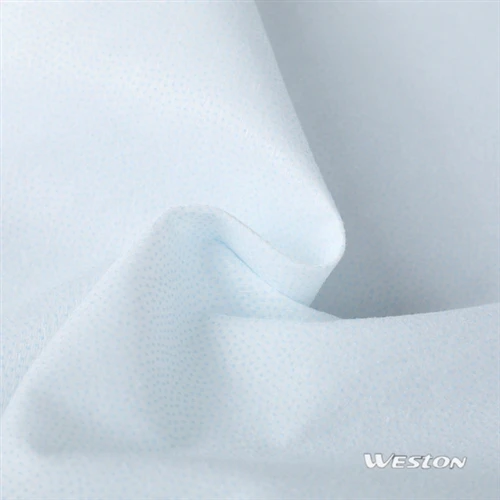
Hospital Curtains: Silent Guardians of Patient Safety and Healing
The Invisible Battle in Every Hospital Room
When someone enters a hospital room-whether as a patient, visitor, or nurse-the first thing they often notice is the curtain quietly dividing the space. It hangs without sound, shifts with each movement, and offers privacy when needed. But behind this soft fabric is a constant, invisible battle. Every touch, every cough, every adjustment of the curtain creates an opportunity for microbes to transfer from one person to another.
What seems like a simple textile is, in reality, a frontline tool that helps shape safer healing environments. Understanding how this ordinary object works reveals the mix of science, design, and practical experience that goes into protecting patients every day.

Why the Ordinary Curtain Becomes Risky
The Contamination Reality
Curtains in hospitals rank among the most frequently touched surfaces. Patients grip them when standing, nurses handle them during rounds, and visitors often slide them aside without thinking. Studies show:
Traditional cloth curtains can hold bacteria like MRSA and VRE for weeks.
Cotton curtains show a 92% recontamination rate within a few days of cleaning.
On any given day, about 1 in 31 hospitalized patients develops a healthcare-associated infection (HAI).
Because curtains are soft, absorbent, and used constantly, contamination builds quickly-often faster than staff can clean them.
Where Standard Fabrics Fall Short
Cotton and woven polyester absorb liquids and microorganisms easily. Their fibers trap moisture, making them hospitable environments for bacteria to survive. Handling them repeatedly only accelerates the spread.
The problem is not that hospitals ignore cleaning; instead, the challenge lies in the curtain's very nature. High touch frequency + absorbent fabric + slow cleaning cycles = an object that can pass germs from one room to the next.
How Modern Curtains Fight Back
Material Improvements
Healthcare facilities today rely increasingly on technical fabrics designed to block moisture and reduce microbial growth.
Polypropylene (PP)
Nonwoven polypropylene has become a leading choice because it is lightweight, low-absorbency, and resistant to microbial penetration. Its smooth surface makes it harder for organisms to cling and grow.
Polyester
Durable woven polyester still appears widely in hospitals. When treated with antimicrobial finishes, it can maintain performance even after dozens of laundering cycles at high temperatures.
PVC for High-Risk Areas
Emergency departments and specialized units sometimes rely on PVC curtains due to their moisture resistance and strong fire-retardant properties.
Antimicrobial Technologies
Beyond the base fabric, many curtains now use antimicrobial coatings to reduce the presence of pathogens between cleaning cycles.
Silver Nanoparticles
Silver interferes with bacterial cell structures. Research shows it can eliminate 99.9% of Staphylococcus aureus within minutes. Many facilities report measurable decreases in contamination after switching to silver-treated curtains.
QAC and Benzalkonium Chloride Coatings
These compounds damage the membranes of bacteria and fungi. Some coatings can eliminate viruses within ten minutes, offering an added layer of security in spaces with heavy patient turnover.
Measured Impact
A common comparison looks like this:
|
Performance Indicator |
Antimicrobial Curtains |
Standard Fabric Curtains |
|
Surface colony count (CFU) |
0.56 |
32.6 |
|
Labor hours spent yearly on curtain maintenance |
Reduced by ~67 hrs |
Baseline |
|
Annual cost impact |
About $20,000 saved |
- |
Even small decreases in contamination translate into fewer infections, fewer staff hours, and reduced healthcare costs.
Reusable or Disposable: Weighing Practical Choices
The Strengths of Disposable Curtains
Disposable curtains are gaining traction because each curtain begins its life uncontaminated. They are:
Easy to change, often within minutes
Not dependent on laundry cycles
Effective in reducing the risk of recontamination
Some models are also recyclable, though this depends on the facility's waste-handling capabilities.
Limitations:
Higher long-term purchasing costs and waste management concerns can make them difficult to adopt across entire hospitals.
The Continued Value of Reusable Curtains
Reusable polyester or blended curtains remain popular because they:
Last up to 10 years with proper care
Support comfortable room aesthetics
Offer better sound absorption than many nonwoven disposable options
However, effectiveness depends entirely on consistent laundering processes and adherence to standards.
A Balanced Approach
Many modern hospitals take a hybrid route:
High-risk zones (ICU, ER): Disposable curtains
General wards: Reusable curtains for comfort and sustainability
This approach supports safety without creating unnecessary costs.

Safety Standards That Protect Everyone
Fire-Retardant Requirements
Curtains must meet strict fire safety standards. International frameworks such as BS 5867-2 Type C, NFPA 701, and EU B-s1,d0 evaluate how curtains behave when exposed to flame, heat, and repeated washing.
Hospitals adopt these standards to ensure curtains do not add fuel to emergencies. Facilities that switch to compliant curtains often report noticeable drops in fire-risk events.
Chemical and Allergen Safety
Curtain materials must avoid heavy metals and irritants. Antimicrobial finishes must not release harmful substances or trigger allergic reactions. Third-party testing helps confirm long-term safety, especially for treatments applied at the molecular level.
Beyond Pathogens: Human Needs Remain Central
Privacy and Emotional Comfort
Patients consistently rate privacy as essential for comfort. The moment a curtain slides shut, it creates a small personal space that supports dignity and rest. Lower stress levels and improved sleep have been linked to better medical outcomes.
Visual Design for Healing
Today's medical curtains come in colors and patterns instead of only plain white. Warm tones, geometric motifs, and soft gradients help reduce the clinical feel of rooms. Small design choices contribute significantly to a healing atmosphere.
Noise Reduction
Thicker woven curtains or multi-layer variations help soften sound in busy units. Quieter environments support better sleep, which is essential for immune function and recovery.
What the Future Holds
Smart Glass Solutions
Switchable privacy glass-controlled by voice or sensor-offers non-fabric alternatives that can be cleaned easily many times a day. While still costly, this technology shows how hospitals may reduce reliance on textiles over time.
Long-Lasting Coatings and Nanotechnology
Researchers are developing self-healing coatings and natural-compound-based antimicrobials that last years with minimal upkeep. These could reduce replacement frequency and improve sustainability.
Steady Market Growth
The global market for antimicrobial hospital curtains is expected to reach hundreds of millions of dollars in the coming years, reflecting a growing focus on infection control and safer patient environments.
A Quiet but Essential Part of Patient Care
Hospital curtains may look ordinary, but they support privacy, safety, and healing in ways most people never consider. Their materials, coatings, fire-retardant treatments, and thoughtful designs reflect careful scientific development. They stand between patients and avoidable risks every day.
For facilities exploring safer, cleaner, and easy-to-manage curtain systems, Weston Manufacturing provides options such as Disposable Curtain for Hospital. For free samples or detailed specifications, contact info@westonmanufacturing.com.