Kitchen paper towels are everyday heroes in our homes, wiping up spills and tackling messes with effortless grace. But beneath their absorbent charm lies a pressing question: are they truly biodegradable? In a world racing toward sustainability, this isn't just a casual query-it's a bold call to rethink our disposable habits. Let's dive deep into the science, unravel the myths, and empower you with knowledge that sparks real change. We'll explore the molecular magic, environmental ripple effects, and innovative twists that make some paper towels not just useful, but planet-friendly powerhouses.
The Science Behind Biodegradability
At its core, biodegradability is nature's recycling program, where microorganisms like bacteria and fungi break down materials into simpler substances, returning them to the earth without leaving toxic traces. Think of it as a symphony of enzymes and microbes orchestrating decomposition-bold, efficient, and utterly essential for ecological balance.
For kitchen paper towels, the story starts with their primary ingredient: cellulose fibers derived from wood pulp. Cellulose, a natural polymer, is inherently biodegradable because it's a staple in the diets of those microbial decomposers. In ideal conditions-moist soil, oxygen, and moderate temperatures-a basic cellulose-based paper towel can break down in as little as two to six months. But here's where the science gets intriguing and a bit rebellious: not all paper towels are created equal. Additives like dyes, wet-strength resins, or synthetic binders can disrupt this natural process, turning a quick compost heap into a lingering environmental headache.
From a chemical perspective, biodegradation involves hydrolysis and oxidation reactions. Water molecules sneak into the cellulose chains, weakening bonds, while oxygen fuels the breakdown. Yet, if synthetic polymers are woven in-say, for extra durability-these resist microbial attacks, persisting in landfills for decades. This isn't surface-level stuff; it's a deep dive into polymer chemistry, where the molecular structure dictates fate. Boldly put, understanding this empowers us to demand better: why settle for partial degradability when science points to fully compostable options that align with nature's rhythm?
Enthusiastically, research from environmental scientists highlights how anaerobic conditions in landfills slow decomposition, releasing methane-a potent greenhouse gas. Aerobic composting, on the other hand, accelerates it, producing nutrient-rich humus. So, the biodegradability of your kitchen paper towel isn't just about the material; it's a dynamic interplay of science and setting, urging us to think bigger and act smarter.
Composition and Manufacturing Insights
Kitchen paper towels aren't born in a vacuum; they're crafted from a blend of natural and engineered elements, each influencing their eco-fate. Predominantly made from virgin or recycled wood pulp, these towels boast cellulose as their backbone-a renewable resource from trees that grow back with gusto. But let's peel back the layers: embossing for texture, perforations for convenience, and sometimes chemical treatments for absorbency all play roles.

Innovatively, some manufacturers push boundaries by incorporating bamboo or recycled fibers, which degrade faster due to their less processed nature. Bamboo, for instance, breaks down in weeks under composting, outpacing traditional wood pulp. This isn't mere trivia; it's a scientific edge, rooted in the lower lignin content of bamboo, making it more accessible to decomposers.
From a manufacturing angle, the wet-laid process-where fibers are suspended in water and formed into sheets-can introduce variables. If eco-friendly pulps are used without harsh chemicals, biodegradability soars. Yet, boldly challenging the status quo, we must question: why do some towels include non-biodegradable plastics for strength? Science shows these hybrids linger, contributing to microplastic pollution. Enthusiastically embracing alternatives, like plant-based binders, could revolutionize the industry, making every wipe a step toward sustainability.
Factors Influencing Degradation Rates
Biodegradability isn't a binary yes-or-no; it's a spectrum shaped by multiple forces. Environmentally, moisture and temperature are kingmakers-warm, wet compost piles turbocharge microbial activity, while dry, cold landfills stall it. Oxygen availability flips the script too: aerobic settings foster quick breakdowns, but anaerobic ones breed methane-emitting sluggards.
Material-wise, thickness matters. Thinner towels degrade faster as microbes access more surface area. Additives? They're the wild cards. Wet-strength agents, often petroleum-based, resist water and thus decomposition, extending landfill life to years. Dyes and fragrances might introduce toxins, deterring helpful bacteria.
From a broader scientific lens, soil pH and microbial diversity influence outcomes. Acidic soils slow cellulose breakdown, while diverse ecosystems accelerate it. Innovatively, studies using accelerated weathering tests simulate these factors, revealing that untreated cellulose towels can achieve 90% degradation in 180 days under optimal conditions. But here's the powerful twist: human habits tip the scales. Tossing towels in compost versus trash isn't just eco-chic; it's a scientifically sound choice that amplifies natural processes.
Enthusiastically, let's consider global angles-tropical climates hasten degradation compared to arid zones, highlighting how geography intersects with science. This deep logic underscores that biodegradability is collaborative: materials, microbes, and our actions form an unbreakable triad.
Pros and Cons: A Balanced View
No discussion is complete without weighing the upsides and downsides boldly and comprehensively. Biodegradable kitchen paper towels shine in sustainability, but they come with trade-offs. Let's break it down logically, drawing from scientific and practical perspectives.
To visualize this, here's a comparative table outlining key advantages and disadvantages of biodegradable versus non-biodegradable kitchen paper towels:
|
Aspect |
Biodegradable Kitchen Paper Towels |
Non-Biodegradable Kitchen Paper Towels |
|
Environmental Impact |
Reduces landfill waste; breaks down into natural elements, minimizing pollution. Enthusiastically supports composting, enriching soil. |
Persists for decades, contributing to microplastics and methane emissions. Boldly exacerbates environmental strain. |
|
Decomposition Time |
2-6 months in compost; faster with natural fibers like bamboo. Scientifically efficient under ideal conditions. |
Years to centuries; synthetic additives resist breakdown, a deep-rooted issue. |
|
Resource Use |
Often from renewable sources (e.g., bamboo or recycled pulp), promoting forest regeneration. |
Relies on virgin resources; higher energy in production, less sustainable long-term. |
|
Performance |
Highly absorbent but may lack wet strength without additives; innovative options balance durability. |
Superior tear resistance and longevity per use, but at ecological cost. |
|
Cost to Planet |
Lower carbon footprint; encourages circular economy. Powerfully aligns with global sustainability goals. |
Higher emissions from production and disposal; fuels waste crises. |
|
User Convenience |
Easy to compost at home; feels empowering for eco-conscious folks. |
More durable for heavy tasks, but disposal guilt lingers. |
|
Potential Drawbacks |
May require specific composting conditions; not always as strong when wet, demanding bolder innovations. |
Non-compostable, adding to ocean and soil pollution; a silent threat to wildlife. |
This table isn't just data-it's a call to action, showing how biodegradable options boldly tip the scales toward planetary health while acknowledging real-world hurdles. Pros include reduced waste footprints and soil enrichment, fostering biodiversity. Cons? They might tear easier in wet scenarios, pushing manufacturers to innovate without synthetics.
From an economic angle (sans prices), biodegradables encourage efficient resource cycles, but production scalability remains a challenge. Socially, they empower communities through sustainable practices, yet accessibility in remote areas lags. Scientifically, while they minimize toxins, ensuring full degradation requires user education- a powerful reminder that benefits amplify with informed choices.
Innovations Driving Change
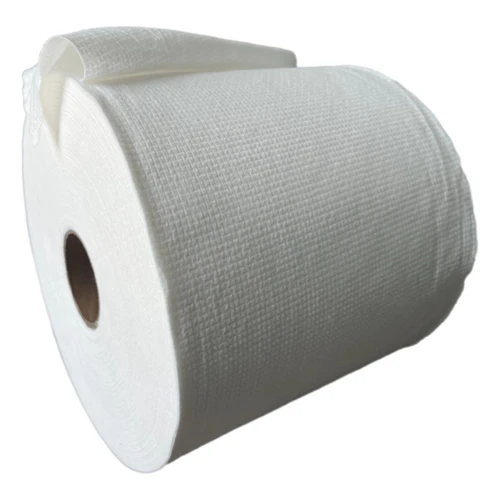
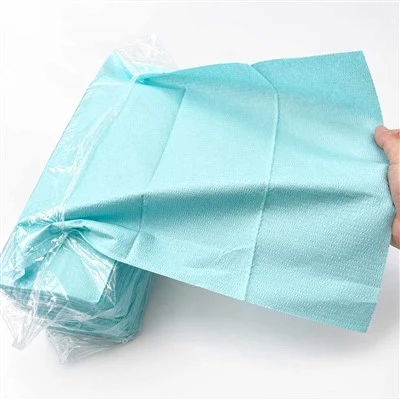
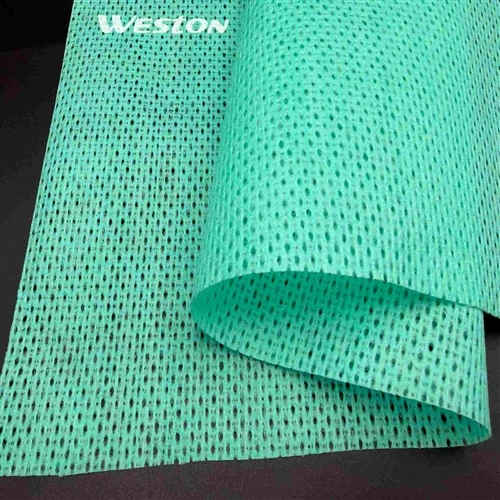
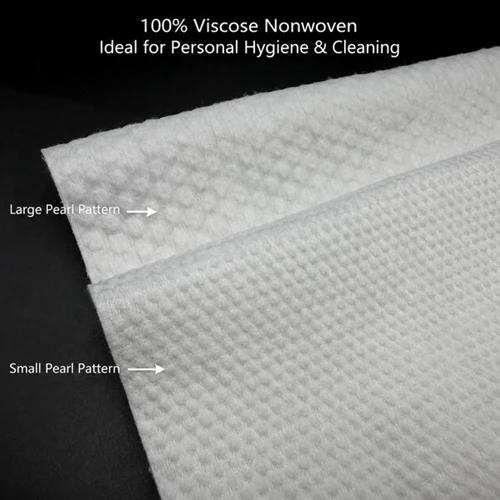
The quest for biodegradable excellence is fueling bold innovations, where science meets ingenuity. Enter the realm of advanced nonwovens, where factories like Weston Nonwoven are pioneering eco-friendly solutions. Subtly integrated into this landscape, products such as Biodegradable Kitchen Paper Towel stand out for their cellulose-rich composition, designed to decompose swiftly without compromising absorbency.
Beyond towels, the innovation wave includes versatile items like Soft Multi-Color Microfiber Rags, which offer reusable alternatives that cut down on disposables altogether. These rags, with their fine fibers, tackle messes repeatedly, extending usability while being machine-washable-a smart pivot from single-use norms.
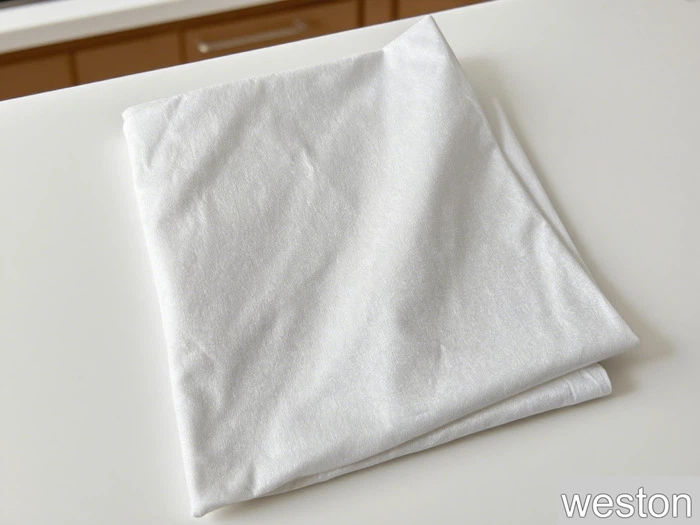
Equally compelling are Food Grade Disinfectant Wipes, blending hygiene with sustainability. Crafted for safe food contact, they incorporate natural disinfectants that break down post-use, merging cleanliness with eco-responsibility.
These advancements aren't hype; they're grounded in material science, using bio-based polymers that microbes adore. Weston Nonwoven's commitment exemplifies how industry can lead with purpose, subtly weaving sustainability into daily life. For those eager to explore, free samples are available by contacting info@westonmanufacturing.com- a simple step toward testing these innovations firsthand.
Broader Environmental and Societal Impacts
Zooming out, biodegradable kitchen paper towels ripple through ecosystems and societies. Environmentally, they curb the 13 million tons of paper waste entering landfills annually, reducing methane that supercharges climate change. Scientifically, this shift supports biodiversity-decomposing towels nourish soil microbes, bolstering plant growth and carbon sequestration.
Societally, adopting them fosters a culture of responsibility, educating generations on waste's true cost. From urban apartments to rural homes, composting these towels democratizes sustainability, bridging gaps in access. Boldly, this counters fast consumerism, where disposables dominate, by promoting mindful habits that echo through supply chains.
Yet, challenges persist: not all regions have composting infrastructure, amplifying the need for policy pushes. Innovatively, community programs could scale this, turning household waste into communal compost-a powerful, logic-driven solution.
Practical Steps for Everyday Sustainability
Armed with this knowledge, let's channel enthusiasm into action. Start by checking labels for cellulose purity-opt for untreated versions to maximize biodegradability. Compost at home: layer towels with greens and browns for balanced decomposition, turning waste into garden gold.
Experiment boldly: test degradation in your backyard by burying samples and monitoring progress. This hands-on science demystifies the process, proving it's achievable. For heavy users, hybrid routines-pairing biodegradables with reusables-strike a practical balance.
Advocate locally: push for better waste systems, amplifying the impact. Remember, every choice counts, weaving personal actions into a global tapestry of change.
In embracing biodegradable kitchen paper towels, we're not just cleaning spills; we're scripting a bolder, greener future-one absorbent sheet at a time.