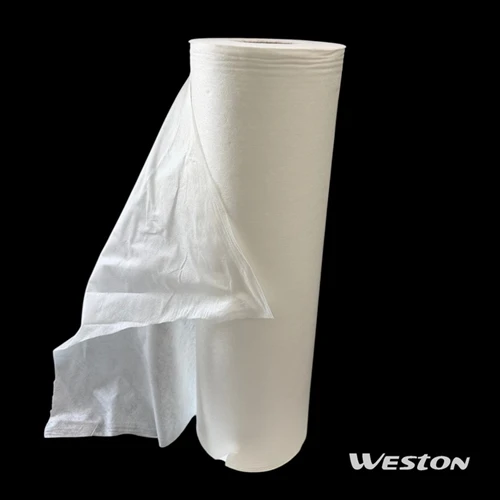
Spunbond and spunlace are both methods of producing nonwoven fabrics, but they differ in terms of their
manufacturing processes and the characteristics of the resulting fabrics. Here are the key differences between
spunbond and spunlace:
1. Manufacturing Process:
Spunbond: The spunbond process involves extruding molten polymer granules (usually polypropylene or
polyethylene) to form continuous filaments. These filaments are then laid down randomly or in a controlled manner
on a moving conveyor belt, forming a web. The web is then bonded together using heat and pressure, creating a
fabric.
Spunlace: The spunlace process starts with carding, where fibers (either natural or synthetic) are aligned in a parallel
arrangement. The carded web is then crosslapped to form a loose, continuous web. High-pressure water jets are used
to entangle the fibers, creating a fabric.
2. Fiber Type:
Spunbond: Typically uses synthetic fibers, such as polypropylene or polyethylene. The filaments are continuous and
can be fine or coarse, depending on the desired characteristics of the fabric.
Spunlace: Can be made from a variety of fibers, including natural fibers like cotton or synthetic fibers like polyester and
rayon. The fibers are carded and entangled through the water jets.
3. Fabric Characteristics:
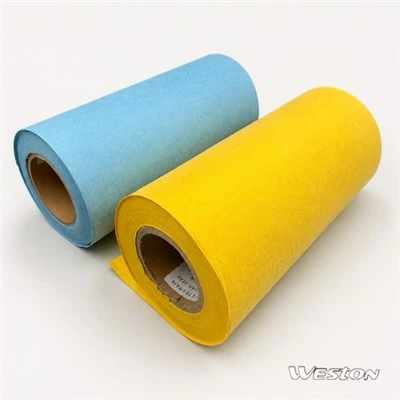
Spunbond: The resulting fabric is strong, durable, and has good dimensional stability. It is often used in applications
where strength and barrier properties are important, such as in medical gowns, industrial covers, and agricultural
applications.
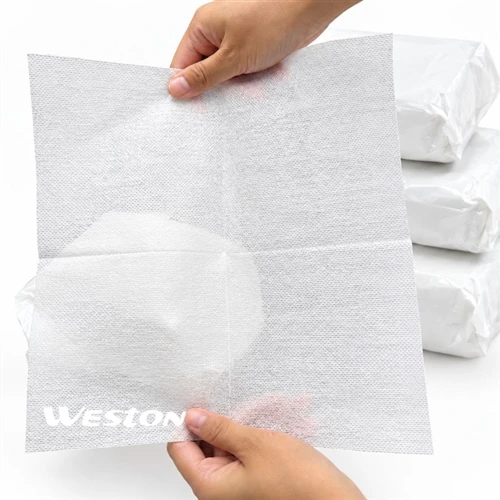
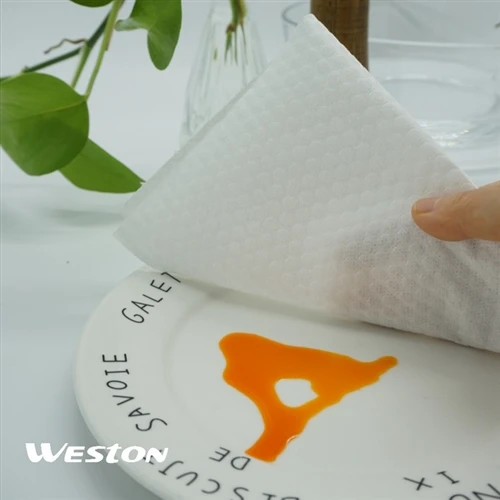
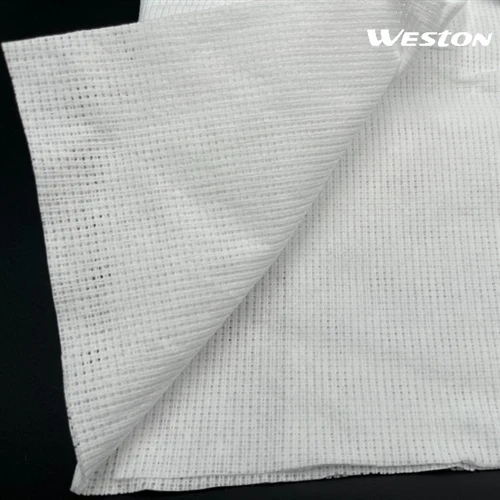
Spunlace: Known for its softness, textile-like feel, and high absorbency. Spunlace fabrics are often used in products
where a gentle touch and absorbent properties are desirable, such as wipes, medical dressings, and hygiene products.
4. Softness and Texture:
Spunbond: Generally lacks the softness and textile-like feel found in spunlace fabrics.
Spunlace: Notable for its soft and cloth-like texture.
5. Applications:
Spunbond: Commonly used in applications requiring strength, durability, and barrier properties, such as geotextiles,
agriculture covers, and medical products.
Spunlace: Widely used in products where softness and absorbency are crucial, including wipes, hygiene products,
medical dressings, and disposable fabrics.
In summary, while both spunbond and spunlace are nonwoven fabric production methods, they cater to different
applications and offer distinct characteristics in terms of strength, softness, and texture. The choice between the two
depends on the specific requirements of the intended use.