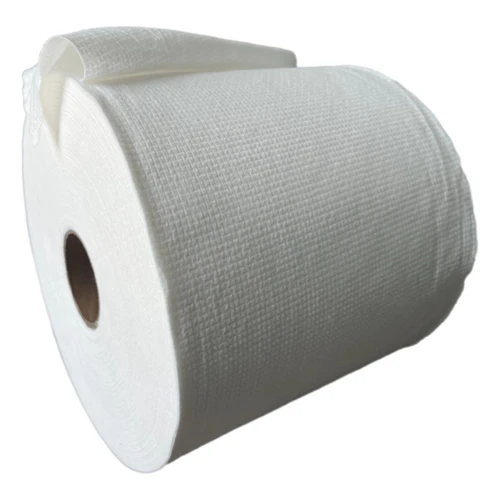
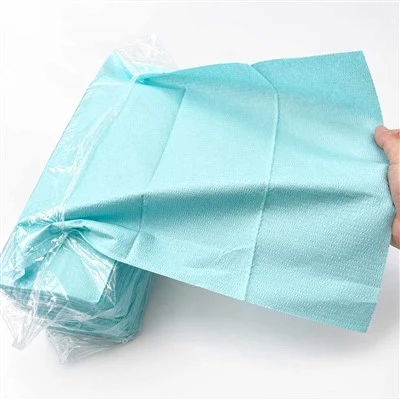
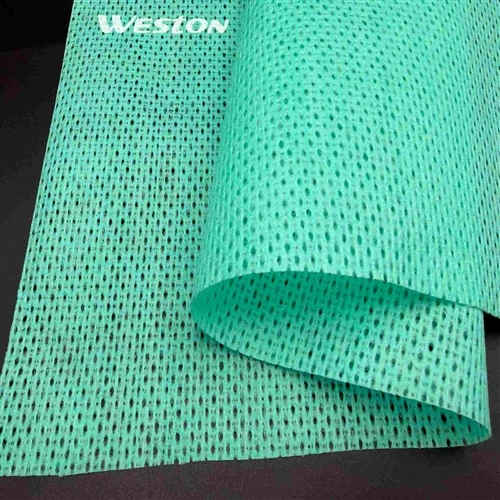
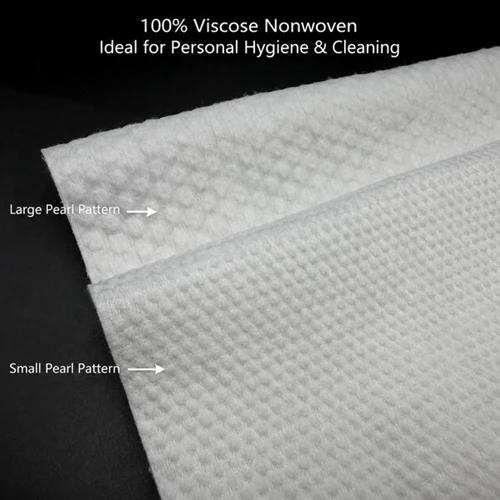
Spunlace fabric, also known as hydroentangled or spunlaced nonwoven fabric, is a type of nonwoven material that is
produced through a mechanical process rather than a chemical process. The spunlace process involves entangling
fibers by using high-pressure water jets. Here's a general overview of how spunlace fabric is made:
Fiber Preparation:
The process typically begins with the selection of fibers. These can be natural fibers like cotton or synthetic fibers such
as polyester, rayon, or a blend of different fibers.
Carding:
The selected fibers are carded to align them in a parallel arrangement. Carding helps create a more uniform and
consistent web of fibers.
Crosslapping:
The carded web is then crosslapped, which involves layering the parallel fibers in a crisscross pattern to form a loose,
but continuous, web.
Spunlacing:
The crosslapped web is passed through a series of high-pressure water jets. These jets entangle the fibers, causing
them to interlock. The entanglement is what gives spunlace fabric its strength and stability.
Drying and Finishing:
After the water entanglement process, the fabric may go through a drying stage to remove excess moisture. Additional
finishing processes may also be applied, such as calendering (smoothing and compressing the fabric), thermal
bonding, or chemical treatments, depending on the desired characteristics of the final product.
The key advantage of the spunlace process is that it produces a fabric with a soft, cloth-like feel, good strength, and
high absorbency. Spunlace fabrics find applications in various industries, including hygiene products (like wipes and
diapers), medical products, filtration, and other disposable products.
Keep in mind that variations in the manufacturing process can exist depending on the specific equipment and
technologies used by different manufacturers.