What Is Abrasive Cleaning?
Abrasive cleaning sounds harsh at first glance, but in reality, it is one of the most ordinary and widely used cleaning methods in daily life. From wiping a greasy workbench to scrubbing dried residue off tools, abrasive cleaning relies less on chemistry and more on controlled physical action. Understanding how it works helps users choose the right materials, avoid surface damage, and clean more efficiently.

How Abrasive Cleaning Works in Real Life
At its core, abrasive cleaning uses friction to remove dirt. When a cloth, wipe, or pad moves across a surface, its fibers or particles apply mechanical force. This force breaks the bond between the surface and contaminants such as grease, oil, dust, or dried residues.
Unlike chemical cleaners, which dissolve or react with dirt, abrasive cleaning focuses on dislodging it. The effectiveness depends on three factors working together: surface texture, pressure, and motion. Even a mild abrasive material can be effective if it is used correctly and consistently.
What Makes a Material Abrasive
Abrasiveness is not only about roughness. Many materials that look soft can still provide effective abrasion due to their fiber structure.
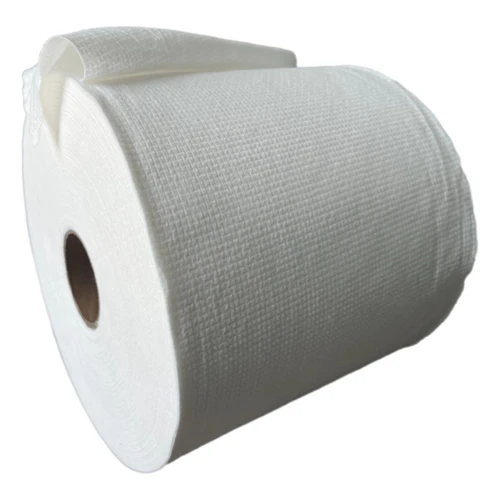
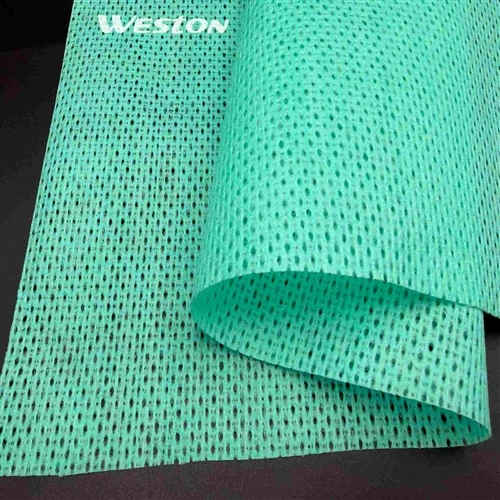
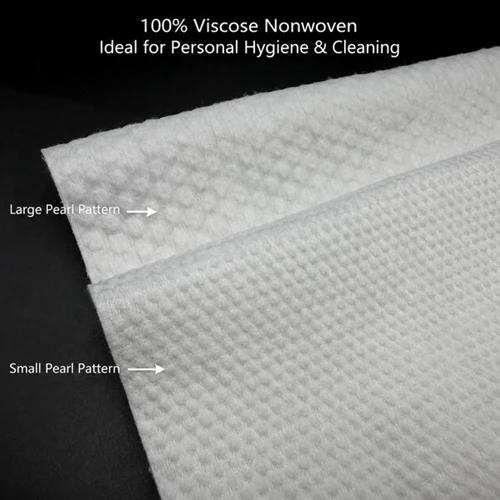
Nonwoven fabrics, for example, can be engineered with fiber entanglement, density, and surface texture that create gentle friction without sharp edges. This is why modern cleaning products increasingly rely on engineered nonwovens rather than traditional hard scrubbing tools.
The goal is not to grind a surface down, but to create enough resistance to lift contaminants away.
Mild vs. Aggressive Abrasive Cleaning
Not all abrasive cleaning is the same. There is a clear difference between mild and aggressive abrasion.
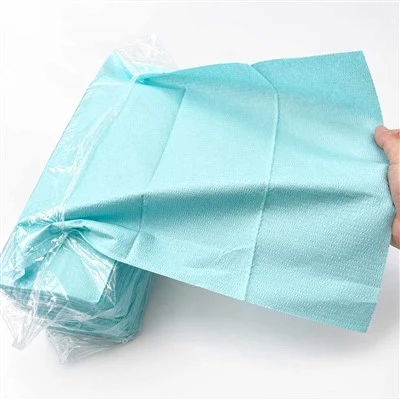
Mild abrasive cleaning is designed for regular maintenance. It removes everyday dirt while preserving surface integrity. Many industrial wipes, including certain Abrasive Hand Wipes, fall into this category. They focus on cleaning power through structure rather than hardness.
Aggressive abrasive cleaning, on the other hand, is used for heavy-duty tasks such as rust removal or paint stripping. This approach is effective but carries a higher risk of surface damage and should be applied selectively.
Understanding this distinction is critical. Most cleaning tasks benefit more from mild, repeatable abrasion than from intense one-time scrubbing.
Where Abrasive Cleaning Excels
Abrasive cleaning is especially effective when dealing with contaminants that are bonded or dried onto surfaces. Grease that has cooled, adhesive residues, carbon buildup, and compacted dust are all difficult to remove with chemicals alone.
Mechanical action breaks these bonds efficiently. In many cases, abrasive cleaning also reduces the need for strong solvents, making the process simpler and more controlled.
This is one reason abrasive wipes are widely used in industrial maintenance, automotive workshops, food processing environments, and janitorial operations.

The Advantages of Abrasive Cleaning
One major advantage is predictability. Abrasive cleaning provides immediate visual feedback. You can see dirt being removed as friction is applied.
Another benefit is reduced chemical dependency. Because physical force does much of the work, fewer cleaning agents are often required. This can lower chemical exposure and simplify disposal considerations.
Abrasive cleaning is also versatile. The same principle can be applied across different industries by adjusting material composition and texture rather than changing the entire cleaning system.
The Limitations and Risks
Despite its benefits, abrasive cleaning is not risk-free. The most common issue is surface scratching. This usually happens when the abrasive level exceeds what the surface can tolerate, not because abrasion itself is inherently harmful.
Soft plastics, polished metals, coated surfaces, and glass all require careful material selection. Using the wrong wipe or applying excessive pressure can lead to permanent damage.
Another limitation is user inconsistency. Abrasive cleaning relies on technique. Uneven pressure or rushed motion can reduce effectiveness or increase wear.
This is why material choice and user awareness matter just as much as the cleaning method itself.
Abrasive Cleaning Compared to Chemical Cleaning
Chemical cleaning works through reaction. Abrasive cleaning works through force. In practice, the most effective cleaning systems often combine both.
A mild abrasive wipe paired with a low-strength cleaner can outperform strong chemicals used alone. The abrasive action loosens contaminants, while the cleaner carries them away.
This hybrid approach is increasingly common in professional cleaning products, including Abrasive Hand Wipes designed for industrial use.
Choosing the Right Abrasive Solution
The safest approach is to start mild. Test a small area, observe the result, and increase intensity only if needed. Consistency matters more than force.
Material structure should be prioritized over visual roughness. A well-designed nonwoven wipe can clean effectively without feeling aggressive to the touch.
This is where manufacturers specializing in spunlace and engineered nonwovens, such as Weston Nonwoven, focus their development-optimizing fiber blends and textures to deliver controlled abrasion without unnecessary surface damage.
Abrasive Cleaning in Everyday Workflows
Abrasive cleaning is not a last resort. It is a routine tool used quietly and effectively across industries.
From technicians cleaning hands and tools to operators maintaining equipment surfaces, properly designed Abrasive Hand Wipes play a practical role in daily operations. Their value lies not in dramatic performance claims, but in reliability, repeatability, and surface safety.
As cleaning standards continue to evolve, abrasive cleaning remains relevant because it is based on a simple principle: use the right amount of physical action, applied thoughtfully, to solve real-world cleaning problems.
Rather than viewing abrasion as something to avoid, understanding it as a controlled, engineered process allows users to clean smarter, not harder.