What Is the Best Medical Cloth Tape? A Practical Guide for Home and Hospital Use
There's no single miracle tape that fits every job. The best medical cloth tape is the one that sticks reliably where you need it, protects the skin, stays comfortable during activity, and is easy to remove without pulling off the skin. For families and clinicians alike, the right choice comes down to backing material, adhesive, breathability, and how the tape behaves in real life-for example when a child bumps a chair, or a patient needs a large-area dressing after surgery.

A Plain, Steady Approach to Choosing Cloth Tape
Backing material matters: Cloth tapes are made from woven or nonwoven fabrics that balance strength and flexibility. They should grip well without causing unnecessary skin trauma when removed.
Adhesive matters: Skin-friendly adhesives reduce irritation and allergies, especially on delicate or elderly skin. A gentler adhesive can be better for dressings that will stay on for days.
Breathability: Breathable tapes help skin stay dry and comfortable, reducing maceration under dressings.
Stretch and conformability: A tape that stretches slightly with skin and allows movement without loosening is ideal for joints, ankles, or hands.
Removal: A good tape should peel away cleanly with minimal pain and no sticky residue on the wound or skin.
Common Scenarios and Practical Tips
At home after a small cut: Use a gentle, breathable cloth tape to secure bandages without irritating fragile skin.
For a sprain or immobilized limb: Choose a stronger cloth tape with a durable backing and good shear strength.
In a hospital setting for large-area dressings: Select a broad, conformable tape that stays in place through patient movement and therapy.
In pediatric care: Opt for a breathable, skin-friendly adhesive with a soft backing to minimize discomfort on sensitive skin.
A Practical, Evidence-Based Choice: How to Read the Label
Check the backing material: Cotton or synthetic blends vary in elasticity and breathability.
Look at the adhesive system: Copolymer or acrylic adhesives balance adhesion and gentleness.
Consider wound type and location: Gentler adhesion suits fragile skin; flexible tapes work best around joints.
A Practical Checklist for Households and Clinics
Does the tape hold dressings securely without excessive tension?
Is the adhesive gentle enough for sensitive skin?
Is the tape breathable enough to minimize moisture build-up?
Can the tape be removed cleanly with minimal pain and no residue?
Is it easy to apply with one hand in busy or clinical settings?
Comparison Table: Typical Medical Cloth Tapes
|
Material Type |
Adhesive Type |
Breathability |
Strength |
Removal Ease |
Best Used For |
|
Cotton-based backing |
Skin-friendly acrylic |
Moderate to high |
Moderate |
Easy, low-tension release |
Light dressings, pediatric care, small device securement |
|
Synthetic-blend backing |
Strong copolymer |
Lower |
High |
Moderate to careful |
Heavier dressings, splints, joints |
|
Woven fabric with elastic fibers |
Balanced acrylic |
High |
Moderate to high |
Gentle, flexible |
Areas with movement, prolonged wear |
The Value of Specialized Fabrics
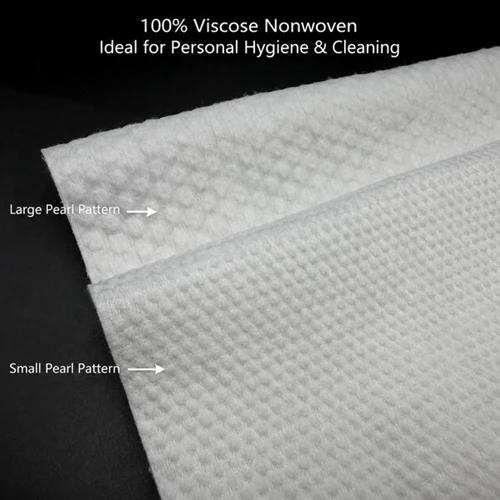
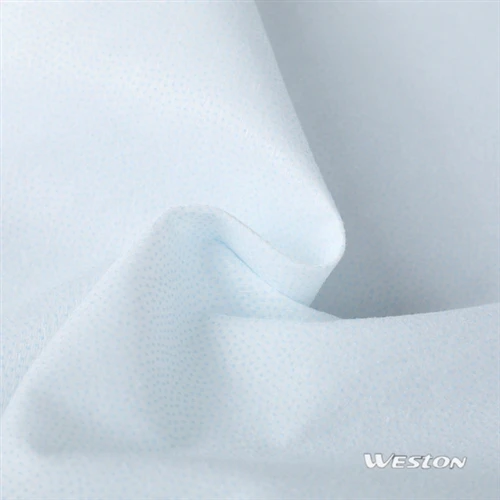
Some medical tapes now use advanced nonwoven or spunlace fabrics that combine softness with reliable adhesion and breathability. These designs reduce irritation during removal and improve comfort for long-term wear-an advantage for both hospital and home care settings.
Long-Lasting Performance with Comfort
In both clinical and household care, longer wear times are common. The best medical cloth tapes balance adhesion strength with skin safety, maintaining performance through daily activity, movement, and light moisture exposure.
How to Test a Tape in Real Life
Patch test: Apply a small piece to the forearm and check for redness or irritation.
Daily test: Use on a light dressing for 24 hours; observe comfort and adhesion.
Movement test: Try on areas that flex-like elbows or knees-to see if it maintains hold during normal activity.
Where to Look for Reliable Options
Choose tapes with clear skin-safety claims and manufacturer specifications.
Review details on backing material, adhesive chemistry, and breathability ratings.
Consider suppliers that provide product data and sample options for clinical evaluation.
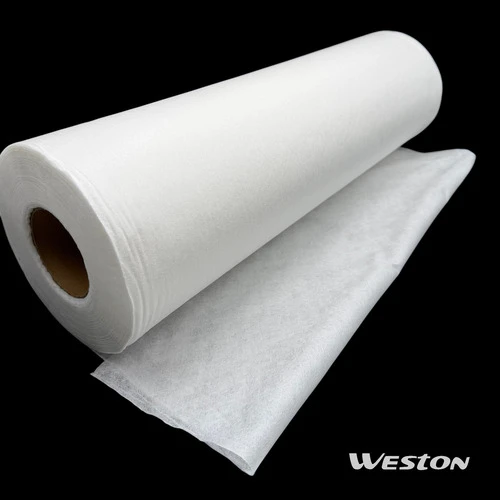
Spunlace Nonwoven for Medical Tape Roll - A Modern Backing Option
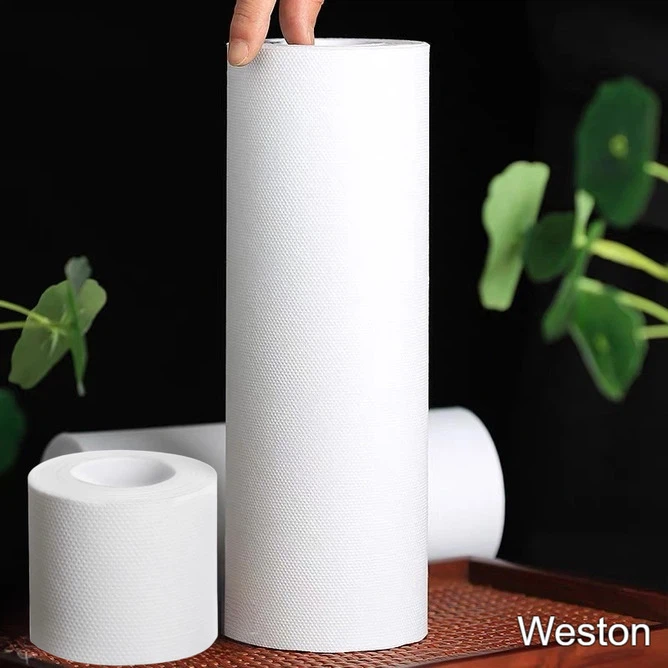
A growing category in medical tapes uses Spunlace Nonwoven for Medical Tape Roll. This fabric type offers a smooth, skin-friendly surface with balanced adhesion and flexibility, suitable for a wide range of medical dressings. It's designed to deliver comfort during wear and clean removal after use-key for hospitals and home caregivers alike.