Is Viscose a Polyester Blend?
A Plain-Spoken Science Briefing on Viscose, Polyester, and Their Blends
This is a straightforward look at viscose and polyester-what they are, how they differ, and why blending them can change how your fabrics behave. You'll see what each fiber brings to the mix, what trade-offs to expect, and how these blends show up in clothing, upholstery, and even industrial materials.

Viscose and Polyester: What They Are and How They Differ
Viscose (often called rayon) is a plant-based, semi-synthetic fiber. It's known for its softness, silky drape, and breathability. It tends to absorb moisture and feels cool next to the skin, which makes it comfortable in warm weather. However, viscose loses strength when wet and wrinkles easily, so careful handling matters.
Polyester is a fully synthetic fiber derived from petrochemicals. It's praised for durability, wrinkle resistance, quick drying, and ease of care. It doesn't absorb much water, which helps fabrics dry fast but can feel less breathable in hot, humid conditions.
When they are blended, the goal is to borrow the best of both: the drape and softness of viscose with some of the strength and durability of polyester. This is commonly called a poly-viscose blend, or polyviscose. The blend improves washability, wrinkle resistance, and resilience while keeping a natural, flowy feel.
Why People Choose Viscose–Polyester Blends
Practical care: Polyviscose fabrics are often machine washable and more dimensionally stable than pure viscose, thanks to the polyester component. This makes garments and furnishings easier to wash and maintain.
Comfort with practicality: The viscose portion provides a pleasant hand, drape, and breathability, while polyester adds durability and reduced wrinkling. For many everyday items-blouses, dresses, linings, and lightweight suiting-the blend balances comfort with usability.
Aesthetics and performance: These blends can maintain a soft, lustrous finish (from viscose) while offering colorfastness and shape retention (from polyester). Designers often use them to achieve appearances and behaviors that neither fiber could deliver alone.
Important Caveats and Trade-Offs
Breathability vs. moisture management: Pure viscose breathes and absorbs moisture well but can feel heavy when damp. Polyester dries quickly and resists moisture but can be less breathable. In blends, you typically trade some breathability for easier care and quicker drying.
Durability and wear: Pure viscose is softer and more delicate. Blending improves strength and reduces snagging or pilling risks, though it won't match high-grade polyester's toughness. Performance depends on blend ratio and fabric structure.
Care requirements: Viscose-rich blends still need some care-gentle washing and avoidance of high heat are best. Polyester helps with shape retention, but following care labels remains important.
Environmental footprint: Viscose is plant-based but involves chemical processing and forestry concerns in some supply chains. Polyester is fossil-fuel-derived and can shed microplastics. Blends combine these impacts, so responsible sourcing and cleaner production methods are key.
Quick Compare-and-Contrast Snapshot
|
Fiber Type |
Feel & Drape |
Breathability |
Durability |
Care Ease |
Sustainability |
|
Viscose |
Soft, silky, fluid |
Excellent |
Weaker when wet |
Needs gentle care |
Plant-based but chemical process |
|
Polyester |
Smooth, firm |
Limited |
Very strong |
Easy |
Petrochemical origin |
|
Polyviscose Blend |
Balanced softness & structure |
Moderate |
Improved |
Easier than viscose |
Mixed footprint |
Where This Matters in the Real World
You'll find viscose favored for comfort and flow in dresses, blouses, and linings, while polyester shines in durable sportswear, outerwear, and cost-efficient fashion. A viscose–polyester blend appears in mid-range apparel and upholstery projects where both feel and resilience matter.
In the textile industry, blended fabrics let manufacturers tune performance for specific uses-such as wrinkle resistance for travel apparel or softness for everyday wear. The same concept applies to home and technical textiles as well.

A Note on Nonwoven and Industrial Contexts
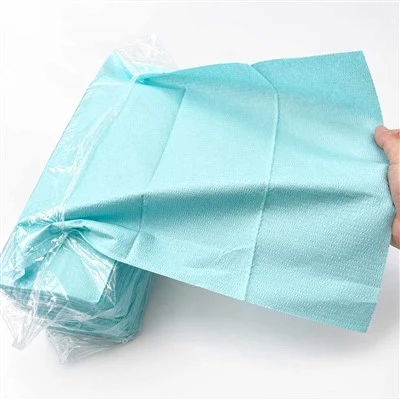
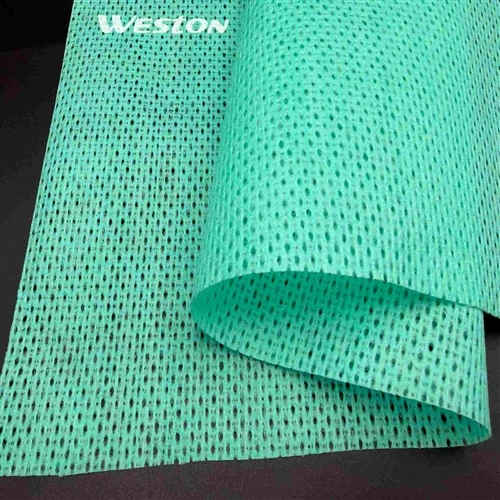
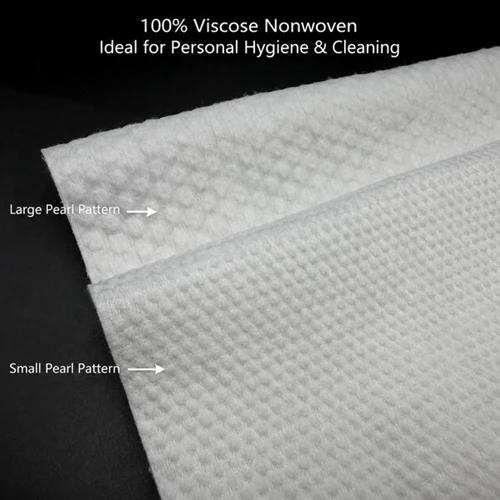
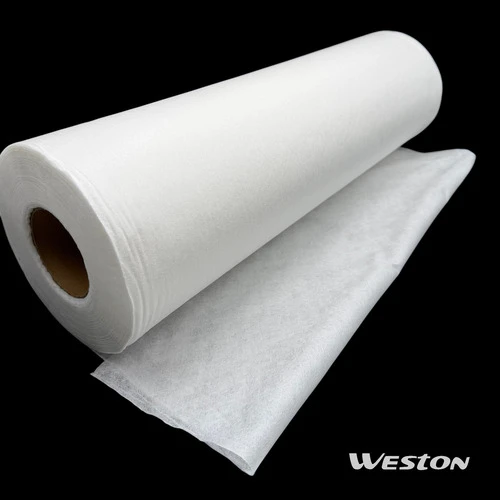
If you're exploring fabric choices for upholstery, soft furnishings, or technical textiles, you'll also encounter nonwoven blends. A good example is Viscose Polyester Spunlace, a hydroentangled nonwoven fabric used in wipes and cleaning materials.
While spunlace nonwovens differ from woven fabrics, they highlight how fiber chemistry (viscose plus polyester) can be applied to achieve balance between absorption, strength, and texture. This crossover shows how material science, processing technology, and product design come together in real applications.
|
Trait / Property |
Viscose (Rayon) |
Polyester |
Viscose–Polyester Blend |
|
Moisture Absorption |
★★★★★ Excellent - highly absorbent, feels cool next to skin |
★☆☆☆☆ Low - repels moisture, dries fast |
★★★☆☆ Moderate - absorbs some moisture but dries faster than viscose |
|
Breathability |
★★★★★ Very breathable, ideal for warm climates |
★★☆☆☆ Limited breathability |
★★★★☆ Balanced - retains some airflow while reducing clamminess |
|
Durability / Strength |
★★☆☆☆ Weaker when wet, prone to wear |
★★★★★ Strong and resilient |
★★★★☆ Improved strength, better shape retention |
|
Ease of Care |
★★☆☆☆ Needs gentle handling, can wrinkle |
★★★★★ Machine washable, wrinkle-resistant |
★★★★☆ Easier to wash, fewer wrinkles than viscose |
|
Sustainability |
★★★☆☆ Plant-based but chemical-intensive process |
★★☆☆☆ Petrochemical-based, may shed microplastics |
★★☆☆☆–★★★☆☆ Mixed impact depending on sourcing and recycling options |
So, is viscose a polyester blend?
Not by itself. Viscose is its own semi-synthetic, plant-based fiber. When mixed with polyester, it forms a polyviscose blend-a fabric designed to combine viscose's softness and drape with polyester's durability and easy care.
How it feels, wears, and washes depends on the blend ratio, weave or knit structure, and finishing. Knowing these basics helps you choose the right fabric for your clothes, upholstery, or creative projects-without being misled by marketing buzzwords.