What Is the Best Cloth for Streak-Free Glass?
Clean glass should look simple: clear, smooth, and free from marks. Yet anyone who has cleaned windows, mirrors, screens, or glass doors knows how frustrating it can be. You wipe carefully, step back, and the glass still shows streaks when the light hits it.
The problem is not always the cleaning solution. In many cases, the cloth is part of the problem.
A cloth can leave lint, spread moisture, move grease around, or hold small particles that may mark a delicate surface. So, what is the best cloth for streak-free glass?
The answer depends on the surface and the type of cleaning, but several basic properties matter: low lint, good absorbency, a clean and even surface, and the right level of softness.
Why Does Glass Look Streaky After Cleaning?
Streaks usually come from a combination of moisture, residue, and wiping technique.
Too Much Cleaning Solution
Using more cleaner does not necessarily produce cleaner glass. Excess liquid can dry unevenly and leave a thin layer of residue behind.
This is especially easy to see on:
- Windows
- Mirrors
- Shower glass
- Glass doors
- Car windows
- Display surfaces
A small amount of suitable cleaning solution, followed by effective wiping, is often better than soaking the surface.
The Cloth Is Spreading Dirt
A cloth that has already picked up grease and dust can start transferring them back onto the glass.
This creates the familiar situation: one area looks clean, while another area develops cloudy marks after repeated wiping.
A simple rule helps:
The cleaner the cloth, the less chance it has of redistributing dirt.
Lint Can Make Clean Glass Look Dirty
Some fabrics release loose fibers during wiping. These fibers may be difficult to notice on the cloth itself, but they become very obvious against a dark window, mirror, or screen.
This is why low-lint performance is more important than simply choosing a cloth that feels soft.

What Makes a Cloth Good for Glass?
There is no single fabric that is perfect for every glass-cleaning job. However, a good cloth should provide several useful properties.
|
Property |
Why It Matters |
|
Low lint |
Reduces visible fibers after wiping |
|
Good absorbency |
Helps remove moisture instead of spreading it |
|
Soft surface |
Reduces unnecessary friction |
|
Even structure |
Provides more consistent contact |
|
Clean material |
Reduces dirt transfer |
|
Suitable durability |
Helps maintain performance during repeated use |
Absorbency Is Not the Same as "Holds the Most Water"
This is an easy point to overlook.
A cloth that absorbs water well should not simply become saturated immediately. It should pick up moisture from the surface and retain it within the material without pushing a wet film across the glass.
If the cloth is too wet, it can spread water.
If it is not absorbent enough, it may simply move the water from one part of the glass to another.
The goal is controlled moisture removal, not maximum water retention.
Can the Wrong Cloth Scratch Glass?
Soft fabric itself is not normally the main reason glass gets scratched. The bigger concern is often what is trapped in the cloth or on the surface.
Fine sand, grit, mineral particles, or other hard contaminants can become trapped between the wiping material and the glass.
When pressure is applied, these particles can create marks.
A Clean Cloth Matters
For delicate glass and polished surfaces, avoid using a cloth that has previously picked up:
Sand or dust
Metal particles
Dried dirt
Hard mineral deposits
Other abrasive contamination
Do not assume that a soft cloth is automatically safe if it is dirty.
Clean cloth + clean surface + reasonable wiping pressure is a much safer approach.
Microfiber vs. Nonwoven: Which Is Better?
Microfiber is popular for glass because its fine fibers can provide good dirt pickup and a smooth wiping feel. It is particularly useful for reusable household and professional cleaning.
Spunlace nonwoven is another practical option, especially when disposable wiping, consistent material structure, and controlled absorbency are important.
|
Material |
Main Strength |
Common Consideration |
|
Microfiber |
Fine fiber structure and reusable performance |
Requires proper washing and care |
|
Cotton |
Good absorbency |
May release more lint |
|
Paper towel |
Convenient and disposable |
Can shed fibers or weaken when wet |
|
Spunlace nonwoven |
Consistent structure and customizable absorbency |
Performance depends on fiber and construction |
There is no universal winner. The better choice depends on whether the priority is reusability, low lint, absorbency, durability, or disposable use.
Why Fiber Composition Matters
For nonwoven wiping materials, fiber selection can significantly affect performance.
Wood Pulp
Wood pulp provides good liquid absorption and is commonly used in wiping materials where moisture pickup is important.
Polyester
Polyester can improve strength and durability and can be blended with absorbent fibers to create a more balanced structure.
Viscose and Lyocell
These cellulose-based fibers are known for their softness and absorbency and can be used where a softer, more absorbent wiping material is required.
Fiber Blends
In practice, a blend can be more useful than relying on one fiber alone.
The final performance depends on:
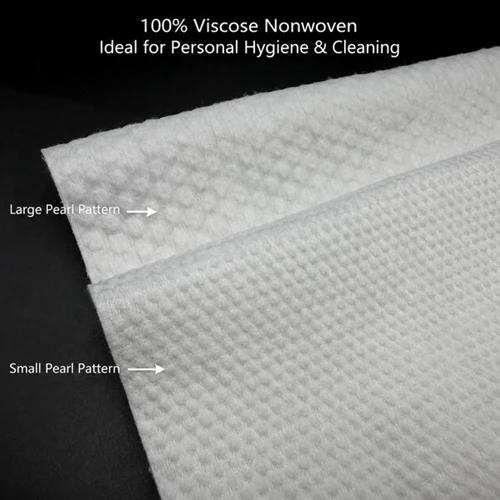
fiber composition + GSM + web structure + embossing + finishing.
That is why two cloths with the same weight can behave very differently on glass.

What About Screens and Eyeglasses?
Glass cleaning is not limited to windows.
Eyeglasses, camera lenses, monitors, phones, and other delicate surfaces need a more careful approach. The cloth should be clean, soft, and free from abrasive particles.
For these smaller surfaces, specialized products such as Microfiber Eyeglass Cleaning Cloths can be useful because the material is designed around fine-surface wiping rather than heavy-duty cleaning.
For electronic displays, Screen Cleaning Wipes are another example where low-lint wiping and controlled moisture are more important than aggressive scrubbing.
Do Not Use More Pressure to Remove Marks
If a screen or lens still has a mark after wiping, pressing harder is not always the answer.
First check:
- Is the cloth clean?
- Is there too much cleaning solution?
- Is the surface contaminated with dust or grit?
- Is the cloth leaving fibers behind?
Changing the wiping material may solve the problem more effectively than increasing pressure.
How to Test a Cloth for Streak-Free Cleaning
You do not need complicated equipment to compare wiping materials.
Step 1: Clean a Small Area
Apply the same amount of cleaning solution to each test area.
Step 2: Use Different Cloths
Test each cloth separately and avoid mixing materials.
Step 3: Let the Glass Dry
Do not judge the result while the surface is still wet.
Step 4: Check Under Side Lighting
Look at the glass from different angles.
Check for:
- Streaks
- Water marks
- Lint
- Smears
- Cloudy areas
This simple test often tells you more than judging a cloth by its appearance or softness.
What Should You Look for When Buying Glass-Cleaning Cloths?
For everyday glass cleaning, look for:
- Low-lint material
- Good but controlled absorbency
- A smooth and consistent surface
- Suitable softness
- Easy cleaning or convenient disposal
For professional or bulk applications, also consider the material specification:
- Fiber composition
- GSM
- Sheet size
- Roll width
- Embossing pattern
- Absorbency
- Packaging format
- Batch consistency
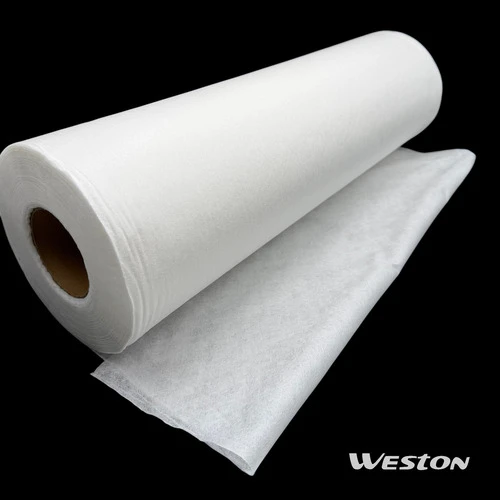
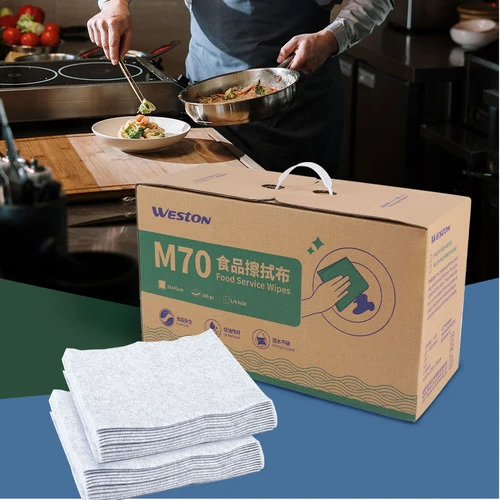
Weston Nonwoven manufactures spunlace nonwoven materials for different wiping applications and can adjust material structure, fiber composition, GSM, texture, and format according to the intended use.
The important point is not simply choosing the "strongest" or "softest" cloth.
The Best Cloth Leaves Less Behind
A good glass-cleaning cloth has one simple job: remove more than it leaves behind.
It should remove water without spreading it, pick up dirt without redistributing it, and clean the surface without leaving a layer of lint or residue.
For many applications, microfiber is a practical choice for reusable glass cleaning. For disposable and professional wiping, properly engineered spunlace nonwoven can also provide a useful balance of absorbency, softness, consistency, and low-lint performance.
In the end, streak-free glass is not about wiping harder.
It is about using the right cloth, the right amount of cleaner, and a clean wiping surface.
FAQ
1. What is the best cloth for streak-free glass?
A low-lint, absorbent, soft cloth is generally best for streak-free glass. Microfiber works well for reusable cleaning, while properly engineered spunlace nonwoven can be a practical option for disposable and professional glass-wiping applications.
2. Why does my glass still have streaks after cleaning?
Glass can remain streaky because of too much cleaning solution, poor absorbency, dirty cloths, lint, or uneven drying. Using less cleaner and a clean, low-lint cloth can help reduce streaks.
3. Can a cleaning cloth scratch glass?
A soft cloth is not usually the main cause of scratches. Hard particles such as sand, grit, or metal debris trapped in the cloth can create marks when pressure is applied.
4. Is microfiber better than cotton for cleaning glass?
Microfiber is often better suited to glass because its fine fibers can provide good dirt pickup with relatively low lint. Cotton can absorb well but may leave more loose fibers.
5. Is spunlace nonwoven good for glass cleaning?
Yes. Spunlace nonwoven can be suitable for glass cleaning when it is engineered for low lint, good absorbency, softness, and consistent surface structure. It is particularly useful for disposable or professional wiping applications.