We have all experienced it: the stubborn smudge on a lens that blurs your vision and resists every quick fix. Your eyeglasses are precision optical instruments, and their clarity is paramount. While a vast array of cleaning tools exists, one stands out for its efficacy and simplicity: the microfiber cloth. However, not all microfiber is created equal. This analysis delves into the material science behind these cloths to define the precise characteristics of the optimal eyeglass cleaning cloth.
The Science of Softness: What Makes Microfiber a Genius?
To understand what makes a microfiber cloth exceptional, one must first move beyond the concept of scrubbing. The true mechanism of a high-performance cloth is not abrasion but absorption, governed by the principle of capillary action.
Imagine a dense forest of incredibly thin, split synthetic fibers, typically from polyester and polyamide. These fibers are engineered to be many times finer than a human hair. When this fabric contacts a surface, the microscopic channels between these fibers act like a network of tiny tubes, actively drawing in and trapping oils, moisture, and fine dust. This is a two-fold process: the polyamide component is highly hydrophilic, absorbing liquids and oils, while the polyester component, often charged with static electricity, effectively attracts and captures dry particulate matter. In essence, a superior cloth does not push contaminants around; it sequesters them.

The Anatomy of a Perfect Glasses Cloth (The "Fab Four" Criteria)
The market is flooded with options, from general-purpose Microfiber Dusting Cloths to specialized Microfiber Eyeglass Cleaning Cloths. The distinction is critical. The ideal cloth for eyeglasses can be defined by four core criteria.
The Pile: Go Deep or Go Home
The surface texture, or pile, of the cloth is a primary differentiator. Low-pile, terry-style cloths, often adequate for dusting surfaces, lack the fiber density for optimal lens cleaning. The superior choice is a deep-pile, plush cloth. This architecture creates a thick, forgiving cushion of fibers. This depth allows debris to be embedded within the cloth's structure, away from the lens surface, thereby drastically reducing the potential for abrasive contact during the cleaning motion.
The Weave: The Secret to Scratch-Free Performance
The quality of the microfiber's construction is paramount. High-grade cloths feature fibers that are precisely split during manufacturing to create soft, uniform ends. Conversely, low-quality alternatives feature poorly split, ragged fibers that can feel coarse. These imperfect fibers can act as miniature abrasive agents, creating micro-scratches on lens coatings over time. Therefore, the smoothness of the fiber ends is a direct contributor to a scratch-free clean.
The Weight: Density is Destiny
The quality of a cloth is often quantified by its GSM (Grams per Square Meter). This metric measures the density of the fabric.
Lower GSM (under 25): Typically denotes a thinner, less durable cloth with limited absorption capacity.
Higher GSM (200 and above): Represents the premium tier. This density translates to a more substantial feel, superior durability, and a vastly increased capacity for trapping oil and dust. For protecting valuable lenses, a high GSM count is non-negotiable.
The Purpose: The Sin of Cross-Contamination
The single most important rule is to designate a cloth exclusively for eyeglass cleaning. Using the same cloth on computer screens or countertops-applications for which general Microfiber Dusting Cloths are well-suited-introduces large, abrasive particles. When this contaminated cloth is used on delicate lenses, it becomes a primary cause of irreversible scratching.
And the Winner Is... The Dedicated, High-GSM, Deep-Pile Cloth
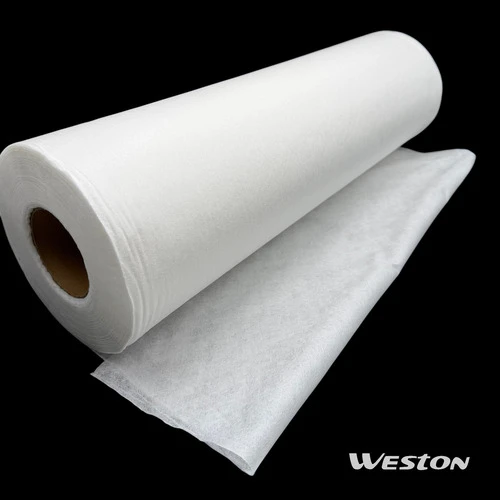
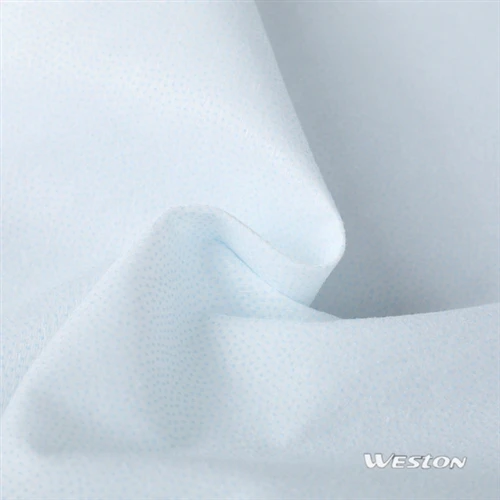
The pursuit of the "best" cloth concludes not with a single brand, but with a clear specification profile. The champion is defined by its deep, plush pile, a high GSM (300+), and a weave of precisely split fibers. Crucially, it must be sold and used exclusively for eyeglasses. This cloth feels luxurious and substantial in hand, a tangible indicator of its superior cleaning capabilities. For businesses exploring material options, manufacturers like Weston Nonwoven specialize in producing high-quality microfiber and nonwoven materials that form the basis for these premium cleaning products.
The Care and Keeping of Your Microscopic Forest
A great tool is useless without proper maintenance. The performance and lifespan of a microfiber cloth are dependent on disciplined care.
Wash Solo: Launder the cloth separately from lint-producing garments and towels. Use a mild detergent and avoid fabric softeners, as these chemicals coat and clog the microfibers.
Gentle Drying: Air-drying is ideal. If using a dryer, a low-heat setting is essential to prevent damage to the delicate fibers.
Know When to Retire: A cloth should be retired once it appears matted, feels greasy, or fails to clean effectively. It is a consumable component of your optical care regimen.
Securing Optical Clarity for the Long Term
Your glasses are a precision-engineered window to your world. Protecting that clarity isn't about finding a magic rag; it's about choosing a scientifically superior tool and treating it with respect. By selecting a cloth that meets the defined criteria and adhering to a disciplined maintenance routine, you invest in the longevity of your eyewear. The result is a consistently clear, uncompromised view.
For inquiries regarding specialized microfiber materials, a free sample is available from Weston Nonwoven via info@westonmanufacturing.com.