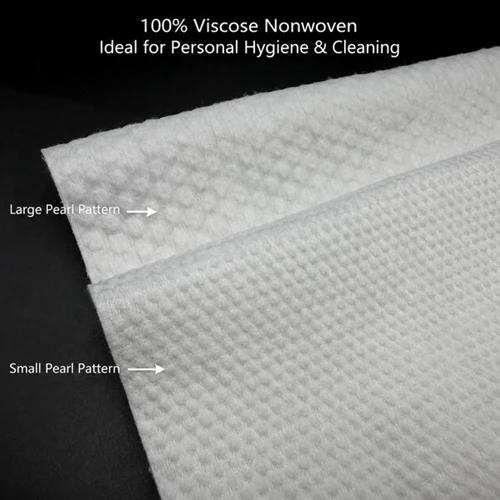
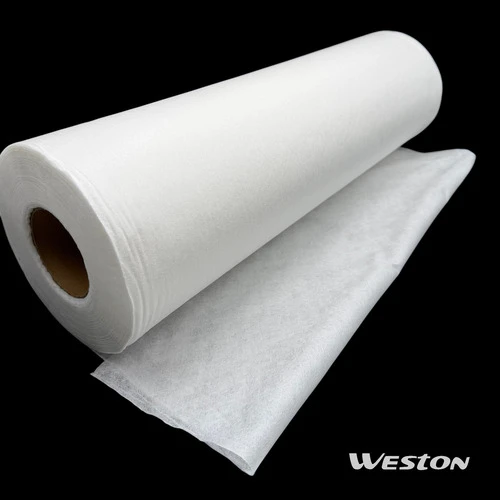
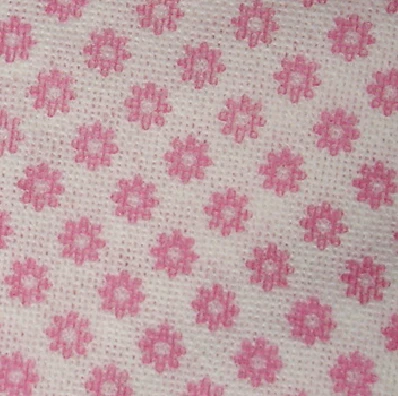
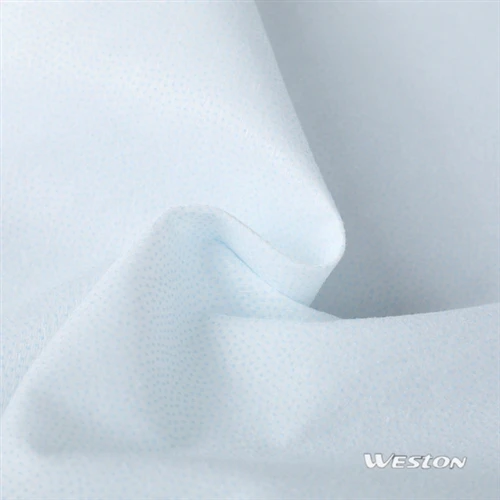
"Spunlace cotton" typically refers to a type of spunlace nonwoven fabric made primarily from cotton fibers. In this fabric, the entanglement process, involving high-pressure water jets, is used to entangle cotton fibers together, creating a cohesive fabric structure.
Here are some key characteristics and features of spunlace cotton fabric:
Softness: Cotton fibers are naturally soft and gentle on the skin, making spunlace cotton fabric comfortable to touch. This softness is retained even after the entanglement process, providing a smooth texture suitable for various applications.
Absorbency: Cotton is highly absorbent, capable of absorbing moisture quickly. Spunlace cotton fabric retains this absorbency, making it suitable for applications such as wipes, medical dressings, and hygiene products where liquid absorption is essential.
Breathability: Cotton fibers have excellent breathability, allowing air to pass through the fabric easily. Spunlace cotton fabric maintains this breathability, making it comfortable to wear in apparel applications and suitable for use in products where airflow is important.
Biodegradability: Cotton is a natural fiber derived from the cotton plant, making spunlace cotton fabric biodegradable. It can decompose naturally over time when disposed of in appropriate conditions, reducing its environmental impact compared to synthetic materials.
Strength: While cotton fibers are not as strong as synthetic fibers like polyester, spunlace cotton fabric can still possess sufficient strength for many applications, especially when combined with other fibers or treated for reinforcement.
Spunlace cotton fabric is used in various industries and applications, including:
Personal care products such as baby wipes, facial wipes, and hygiene wipes.
Medical supplies such as wound dressings, surgical drapes, and medical wipes.
Apparel and textile products such as clothing, towels, and bedding.
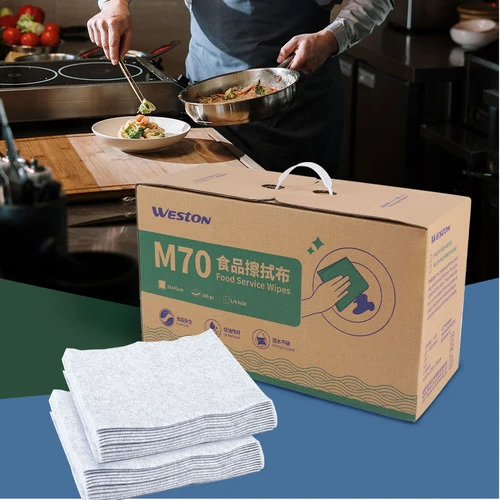
Household products such as cleaning wipes, kitchen towels, and napkins.