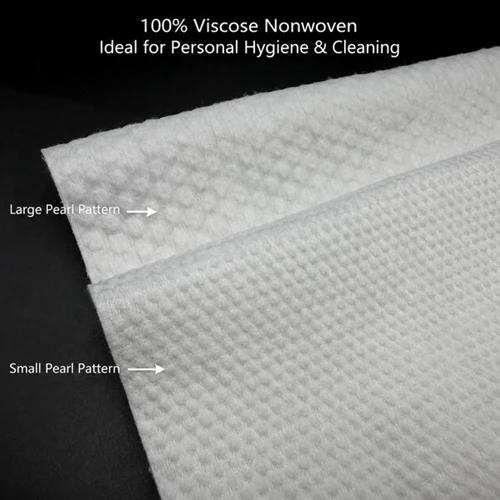
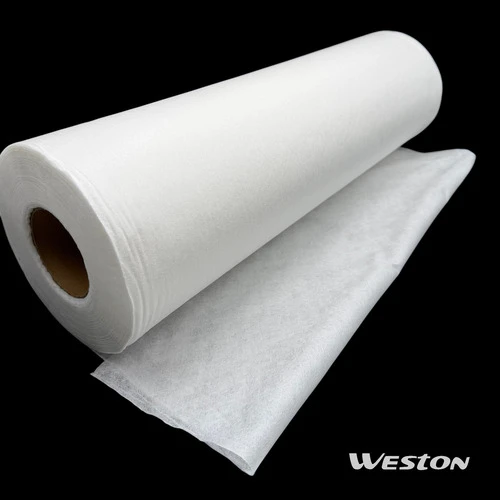
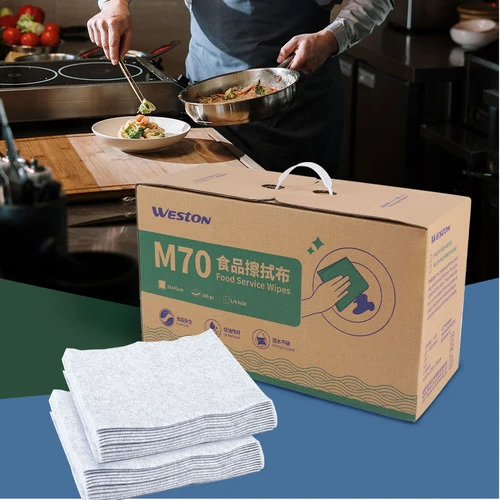
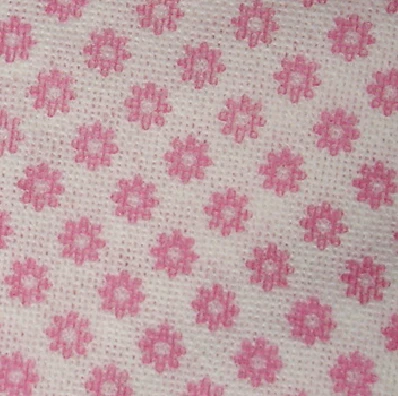
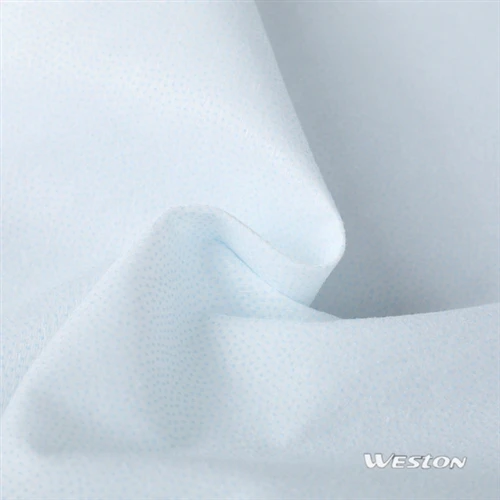
The biodegradability of spunlace nonwoven fabric depends on the specific materials used in its production. Spunlace fabric can be made from a variety of fibers, including natural fibers like cotton or cellulose, as well as synthetic fibers like polyester or viscose.
Natural Fibers: If spunlace fabric is made entirely from natural fibers such as cotton or cellulose, it is typically biodegradable. Natural fibers are derived from plants and can decompose naturally over time when exposed to environmental conditions such as moisture, heat, and microorganisms.
Synthetic Fibers: If spunlace fabric contains synthetic fibers such as polyester or viscose, its biodegradability may be limited or nonexistent. Synthetic fibers are derived from petrochemicals and are not readily biodegradable in natural environments. They can persist in the environment for a long time, contributing to pollution and waste accumulation.
Some manufacturers may incorporate biodegradable additives or blends of natural and synthetic fibers to enhance the biodegradability of spunlace fabric. These additives or blends can facilitate the breakdown of the fabric over time, reducing its environmental impact.
In summary, whether spunlace nonwoven fabric is biodegradable depends on the composition of fibers used in its production. If made entirely from natural fibers, it is likely biodegradable. However, if synthetic fibers are present, its biodegradability may be limited. It's essential to consider the specific materials and manufacturing processes used in the production of spunlace fabric to determine its environmental impact.