What Is an Example of PLA Packaging?
In an era defined by ecological urgency and scientific innovation, one question resonates across industries: Can packaging be strong, safe, and sustainable at the same time? Among the new materials leading this transformation, PLA-Polylactic Acid-stands out as one of the most promising examples of what a bio-based future could look like. But what does PLA packaging actually mean, and why is it attracting such attention from scientists, manufacturers, and sustainability advocates alike?
The Science Behind PLA: Nature Meets Polymer Chemistry
Polylactic Acid (PLA) is not just another "eco-material." It's a result of applied biochemistry and polymer science that turns renewable agricultural resources into usable plastics. The process begins with the fermentation of natural sugars-commonly derived from corn starch, sugarcane, or cassava. These sugars are converted into lactic acid molecules, which are then polymerized into long molecular chains, forming a tough, transparent thermoplastic with mechanical strength comparable to petroleum-based plastics.
This transformation represents a fundamental shift in material chemistry. Instead of extracting carbon from deep geological reserves as we do with conventional plastics, PLA sources its carbon from the atmosphere via plants-a process that aligns with natural carbon cycles. That's why PLA is often called a "biogenic polymer": its carbon originates from living systems, not fossil fuels.

Why PLA Packaging Matters in a Changing World
Global concern over plastic waste and carbon emissions has pushed material science toward renewable alternatives. PLA packaging has emerged as a bridge between environmental responsibility and industrial practicality. It offers the performance required for packaging-strength, formability, and clarity-while lowering the long-term environmental cost of disposal.
From a scientific standpoint, PLA's advantage lies in its end-of-life potential. Under specific industrial composting conditions-typically involving controlled heat, moisture, and microbial activity-PLA can degrade into water, carbon dioxide, and organic matter without leaving harmful residues. This makes it particularly attractive for sectors seeking to align with circular economy goals, where materials are designed to return safely to the biosphere.
However, it's important to note that PLA's biodegradability depends on the right environment. It will not disintegrate effectively in standard home composting setups or landfills lacking sufficient heat and oxygen. That limitation, while technical, is central to understanding PLA's scientific reality-it's compostable, not magically self-degrading.
Common Forms and Uses of PLA Packaging
When people think of "PLA packaging," they often imagine clear cups, food trays, or biodegradable utensils. But these are only surface examples. PLA's versatility extends far beyond rigid shapes. It can be spun, molded, or extruded into films, fibers, and nonwoven structures.
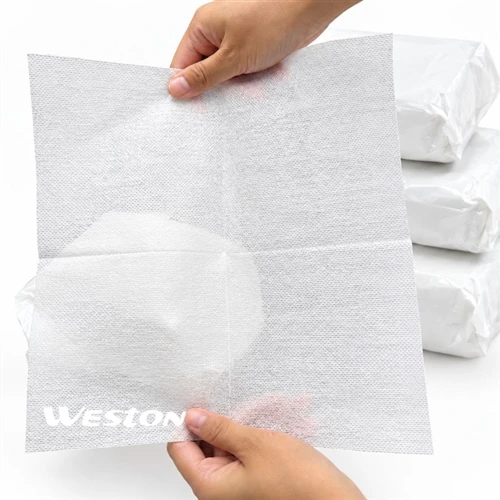
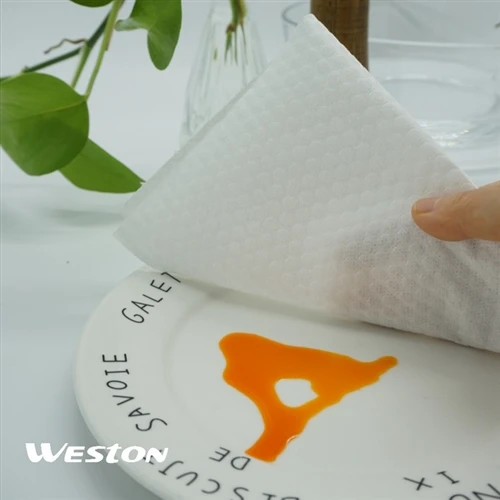
One of the most innovative uses appears in 75% PLA Packaging Materials, where PLA is blended with other natural or functional fibers to achieve desired strength, breathability, and softness. In such blends, PLA provides structure and biodegradability, while complementary materials enhance performance properties. This makes it suitable not just for food packaging, but also for wipes, shopping bags, and industrial wrapping applications.
The Dual Nature of PLA: Advantages and Limitations
Every scientific breakthrough carries its balance of promise and limitation. PLA packaging is no exception.
Key Advantages:
Renewable origin: Derived from annually grown plants rather than finite petroleum resources.
Lower carbon footprint: Life-cycle assessments show significant CO₂ reduction compared to traditional plastics.
Non-toxic and food-safe: Contains no harmful additives or plasticizers, making it suitable for direct food contact.
Industrial compostability: Breaks down under specific composting conditions into harmless organic components.
Process versatility: Can be extruded, thermoformed, or spun into fibers for flexible or rigid packaging formats.
Core Limitations:
Thermal sensitivity: PLA softens at relatively low temperatures (around 55–60°C), limiting its use for hot products.
Moisture sensitivity: Extended exposure to water or humidity can alter its mechanical stability.
Controlled composting requirement: Without industrial composting infrastructure, the environmental benefit may not fully materialize.
Agricultural dependency: Production relies on crop-based feedstocks, which can affect land and resource allocation if not managed responsibly.
Recycling complexity: Although technically recyclable, PLA often requires separate processing streams to avoid contamination of conventional plastic recycling systems.
PLA's story, therefore, is not about perfection but about direction-a movement toward materials designed with both performance and planetary health in mind.
PLA and the Nonwoven Revolution
Beyond rigid containers and food packaging, PLA's future shines most brightly in the nonwoven industry. Here, its adaptability as a fiber-forming polymer allows it to be used in applications that demand both strength and biodegradability.
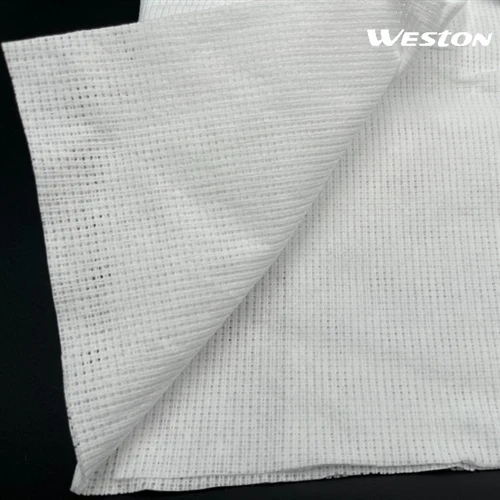
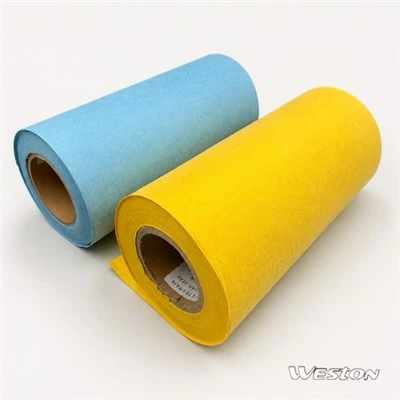
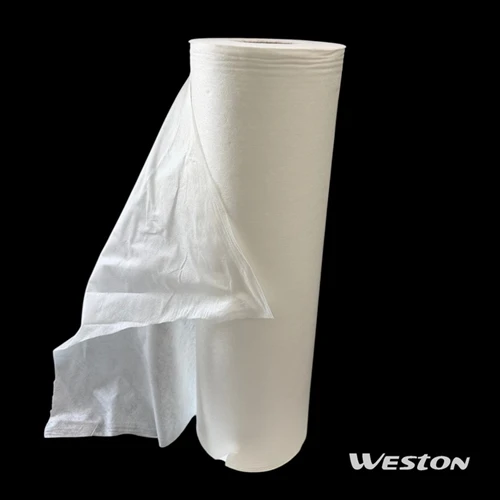
In particular, Weston Nonwoven, a Spunlace Nonwoven Supplier, has taken this scientific concept into practical territory. By developing 75% PLA Materials that combine PLA fibers with natural wood pulp, Weston has demonstrated how biopolymers can achieve both mechanical performance and environmental responsibility.
This hybrid nonwoven material exhibits excellent tensile strength, soft texture, and absorbency while remaining compostable under industrial conditions. The spunlace process used by Weston bonds fibers through high-pressure water jets rather than adhesives or heat, ensuring both purity and recyclability of the material.
Manufacturers and brands seeking to test such innovative solutions can request free samples via info@westonmanufacturing.com, where technical experts provide guidance on how PLA-based nonwovens can be tailored for different packaging or wiping applications.

Rethinking What "Sustainable Packaging" Means
PLA packaging is more than a symbol of eco-conscious marketing-it's a product of chemistry, engineering, and ecological design. It represents humanity's attempt to align manufacturing with the regenerative logic of nature rather than the extractive logic of fossil capitalism.
The next step is not merely producing more bioplastics but producing them smarter: integrating renewable feedstocks, ensuring real-world compostability, and fostering transparent supply chains. In this context, initiatives like Weston Nonwoven's PLA-based spunlace solutions reveal how innovation can move quietly yet powerfully, transforming everyday materials from the inside out.
As global industries look toward 2030 sustainability goals, PLA stands as both a scientific achievement and a moral proposition-proof that performance and responsibility need not be opposites. The world's packaging problem was built molecule by molecule; its solution will be too.