Untangling the Promise, the Limits, and the Smart Use Cases
PLA has been crowned the "green plastic" of our time. It's plant-based, it's compostable (sometimes), and it's endlessly marketed as the cleaner alternative to petroleum plastics. But is PLA truly 100% biodegradable in the world we live in-not just in a lab or a glossy brochure? Let's be clear, direct, and practical.
What PLA Really Is-and Isn't
PLA (polylactic acid) is a polymer made from fermented plant sugars (corn, sugarcane, cassava) that are converted into lactic acid and then polymerized. It performs like conventional plastics in many applications-packaging, disposable items, and 3D printing-yet it comes from bio-based sources. That bio-based origin makes it attractive. But bio-based doesn't equal universally biodegradable. How PLA behaves depends heavily on conditions.

Biodegradable vs. Compostable: The Definitions Matter
Biodegradable: Microbes can break a material down into CO2, water, and biomass-if the environment (temperature, moisture, oxygen, microbial activity) is right.
Industrially compostable: Meets standards like EN 13432 or ASTM D6400 by degrading within a specified time at elevated temperatures (~58°C), with controlled aeration and humidity.
Home compostable: Breaks down at lower, variable backyard temperatures-most PLA does not.
Degradable/oxo-degradable: Simply fragments into smaller pieces, often increasing microplastic risks-not the same as biodegrading.
Under these definitions, PLA is typically industrially compostable, not universally biodegradable in everyday settings.
So, Is PLA 100% Biodegradable?
Technically yes-under industrial composting conditions with the right heat, moisture, oxygen, and microbes, PLA can mineralize to CO2 and biomass to meet certification thresholds.
Practically no-at home, in soil, in oceans, or in landfills, PLA often persists far longer than people expect. In cool or anaerobic conditions, it barely moves.
Where PLA Actually Ends Up
Industrial composting: Best-case scenario. If the local facility accepts PLA, it can break down within months alongside food scraps. Many facilities still restrict or reject PLA due to contamination risks and processing priorities.
Recycling: PLA can be mechanically recycled in closed loops, but infrastructure is sparse. Worse, PLA contaminates PET streams if mixed.
Landfills: Low oxygen, low temperatures-PLA is stable and slow to degrade.
Natural environments: In freshwater or marine settings, PLA degrades very slowly. It's not a solution for ocean plastics.
Full Pros and Cons-No Greenwash, No Cynicism
Pros:
Bio-based feedstock: Reduces reliance on fossil carbon and can lower cradle-to-gate emissions when responsibly sourced.
Industrial compostability: Useful for food-service items contaminated with organics that are hard to clean and recycle.
Lower toxicity profile: PLA lacks certain additives associated with legacy plastics, reducing some chemical concerns.
Performance versatility: Clear films, rigid containers, and nonwovens can be engineered for strength, softness, or breathability.
Cons:
Infrastructure dependency: Without industrial composting access, PLA's "biodegradability" often doesn't materialize.
Contamination risk: In recycling systems, PLA can compromise PET quality if mis-sorted.
Limited home compostability: Most consumer compost setups don't reach the temperatures PLA needs.
Resource trade-offs: Crop-based feedstocks involve land use, fertilizers, and water; benefits depend on agricultural practices and geography.
Microfragmentation risk: If not fully composted, PLA can fragment under UV and mechanical stress, behaving like other plastics in the environment.
Smart Where, Not Everywhere
PLA shines in closed systems where waste flows are controlled-think stadiums, corporate campuses, universities, or municipalities with robust organics programs. It's well suited for food-soiled packaging that would otherwise contaminate recycling. It's a poor fit in regions without composting infrastructure, for products likely to enter PET recycling streams, or in outdoor/marine settings.
How to Read Labels Without Getting Misled
Look for standards: EN 13432 or ASTM D6400 for industrial compostability; don't rely on generic "biodegradable" claims.
Check local acceptance: Even certified items may be rejected by your local composter.
Seek specificity: Timeframes, conditions, and facility requirements matter more than green leaves on a box.
Performance and Product Angles You Might Not Expect
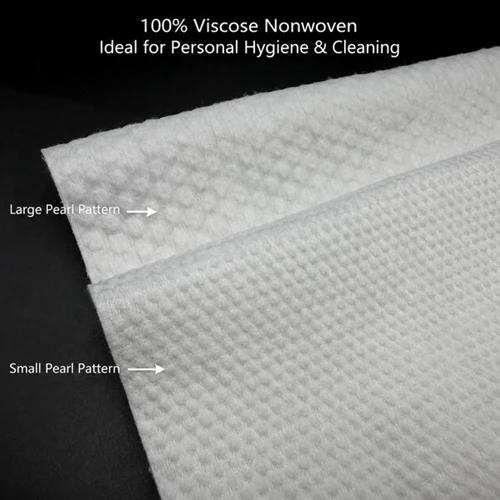
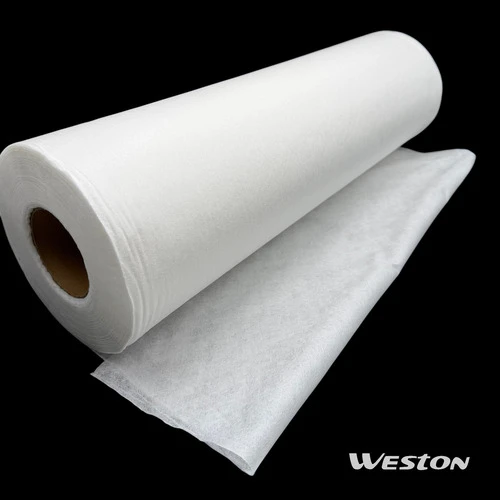
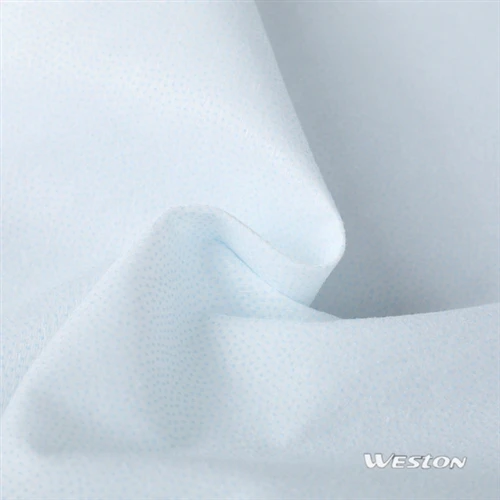
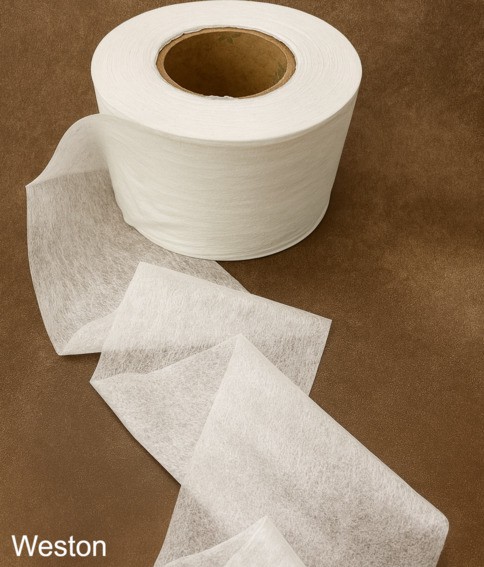
PLA isn't only coffee cups and clamshells. In technical textiles and nonwovens, it can combine softness, strength, and controlled biodegradation under industrial conditions. For example, Woodpulp-PLA blends can deliver absorbency from cellulose with structure from PLA fibers. Products like Woodpulp PLA Spunlace bring a natural hand-feel and high wet strength-excellent for wipes, hygiene, and single-use medical drapes where clean disposal streams exist.
Likewise, 75% PLA Packaging Materials can cut fossil content meaningfully while maintaining clarity and form for thermoformed trays or pouches-provided end-of-life pathways are designed. None of this works in a vacuum; materials must match the waste system they enter.
A Quiet but Important Note on Manufacturing Partners
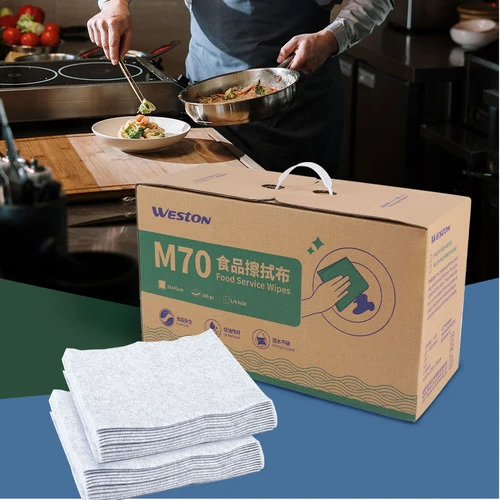
If you're evaluating suppliers, production discipline matters. Process control, fiber selection, and bonding methods determine whether a product actually performs in composting systems and on production lines. That's where specialized nonwoven producers can be pivotal. For instance, Weston Nonwoven operates as a focused water-jet bonding specialist, delivering consistent basis weight, low lint, and tunable web architectures across cellulose/PLA blends. Their waterjet-spunlace capability supports high absorbency without binders, and their engineered Woodpulp PLA Spunlace lines target controlled strength profiles and rapid wet-out for wipes. For packaging, their 75% PLA Packaging Materials skews toward high bio-based content with thermoformable clarity-engineered for labeling and traceability in compost-friendly systems.
Designing for Real-World End of Life
Material selection: Choose grades that pass recognized compost standards and print those certifications on-pack.
Marking and sorting: Use clear, standardized labeling; consider digital watermarks or NIR-friendly pigments for sorting lines.
Collection and contracting: Pair PLA deployments with organics hauling contracts to ensure items actually reach industrial composters.
Education: Short, specific guidance ("Industrial compost only. Do not recycle with PET.") beats generic eco-speak every time.
Climate and Resource Lens
Carbon: PLA typically offers lower cradle-to-gate emissions than PET or PS, though results vary by electricity mix, farming inputs, and process energy.
Methane risk: PLA tends not to generate methane in landfills like some biowaste does, but it also doesn't meaningfully degrade there.
Next-gen feedstocks: Agricultural residues and non-food biomass could shrink PLA's land-use footprint. Process electrification and renewable energy further improve the picture.
What We Should Actually Do
Use less: Source reduction beats any material switch.
Match material to system: If your city lacks industrial composting, choose recyclable materials that fit the existing MRFs and avoid PLA where it will contaminate.
Build the loop: Where organics programs exist, pair PLA items with food waste collection and compost facility partnerships.
Demand transparency: Ask for certifications, degradation timeframes, and facility acceptance lists-then publish them for customers.
The Straight Answer You Came For
Is PLA 100% biodegradable? Under the right industrial composting conditions, it can be-measurably and reliably. In most everyday environments, it's not. PLA is a powerful tool, not a magic wand. Use it where the system supports it, avoid it where it doesn't, and design the entire path-from sourcing to disposal-so that the promise of PLA becomes a result, not a slogan.
If you're testing compostable nonwovens or high-PLA packaging and want performance data you can verify, consider partnering with specialists like Weston Nonwoven, whose process control, fiber blending, and waterjet-spunlace expertise support both product quality and credible end-of-life claims.