A Practical Guide to Smarter, Safer Choices
Wipes have become everyday essentials - from baby care and personal hygiene to household cleaning. But here's the harsh truth: not all wipes are created equal. While offering convenience, some may expose your skin and the environment to hidden chemicals you wouldn't want anywhere near you.
So, what should you be avoiding when you reach for that pack of wipes? Let's break down the science behind smart wipe choices - and how Weston Nonwoven is paving the way for cleaner, greener innovations.
Are Your Wipes Hiding These Toxic Ingredients?
Most wipes contain a cocktail of chemicals that serve a purpose: preserving freshness, adding scent, or preventing microbial growth. But some of these, even in trace amounts, can be troubling.
1. Parabens – The Undesirable Preservative
Widely used to prevent bacterial growth, parabens have become controversial for their potential to disrupt hormones. Studies have linked them to estrogen-mimicking activity in the body. The EU now restricts single paraben concentration to only 0.4% in cosmetics. Why take the risk when alternatives exist?
Common labels to watch for:
Methylparaben
Propylparaben
2. Methylisothiazolinone & Methylchloroisothiazolinone – Skin Irritants in Disguise
You might spot MIT or CMIT in personal care wipes - even those labeled "gentle." They're powerful preservatives but come at a cost: high skin sensitivity. So much so that the EU banned their use in leave-on cosmetics as of 2017. Yet, they still show up in certain household wipes.
Pro tip: Always check the ingredients list if you have sensitive skin.
3. Alcohol (Ethanol) – Harsh on More Than Germs
Alcohol is a go-to for sanitizing and quick drying. But in wipes, especially when used frequently, it can strip natural oils from your skin and disrupt your barrier. It's effective, yes - but potentially abrasive.
Better alternatives: Seek wipes with gentle antimicrobial agents or natural fibers like bamboo lyocell, which have inherent antibacterial properties.
4. Synthetic Fragrances – What's Really Inside "Fresh Scent"?
Fragrances sound harmless... until you realize they might contain dozens of hidden chemicals, including potential allergenic compounds. Worse? They can be listed simply as "fragrance" with no further disclosure.
If you have sensitive skin, go fragrance-free - your body will thank you.
5. Plastic Fibers & Microplastics – The Environmental Time Bomb
Not all wipes biodegrade. Many contain polyester or polypropylene fibers, contributing to long-term waste. The EU Directive 2021/904 is squarely targeting single-use plastics, including wipes, for reduction.
Biodegradability is no longer a nice-to-have - it's an ethical and regulatory wave that's already rolling.
Data Dive: What's Really in Popular Wipes?
Here's a snapshot of common ingredients used in conventional wipes - and why they could be harmful:
|
Ingredient |
Typical Use |
Risk Level |
Regulation |
|
Parabens |
Preservative |
Moderate |
Restricted in EU Cosmetics |
|
MIT / CMIT |
Antimicrobial agent |
High |
Banned in EU leave-ons |
|
Alcohol (Ethanol) |
Solvent & skin sanitizer |
Low – Moderate |
Safe in low concentration |
|
Phenoxyethanol |
Preservative |
Low |
Safe under 1% concentration |
|
PEGs (Polyethylene Glycols) |
Solvents & emulsifiers |
Moderate |
Under scrutiny, not regulated |
This isn't fear-mongering - it's a fact. Making smarter choices starts with knowing what to avoid.
So What Should You Look for in a Wipe?
Now that we know what to avoid, here's what gets the green light:
Biodegradable fibers: Such as 100% bamboo lyocell, cotton, or wood pulp – kinder to skin and planet.
Preservative-free wipe solutions: Or those using gentler, plant-based preservatives.
Fragrance-free options: Especially for babies or sensitive skin.
Alcohol-free & hypoallergenic formulas: Great for cosmetic use or frequent wiping routines.

Weston Nonwoven: Leading the Clean Wipes Revolution
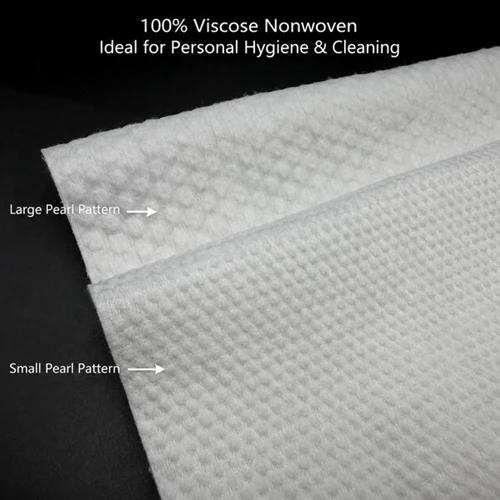
At Weston Nonwoven, we don't settle for just meeting the standards - we exceed them. We produce clean-label wipes made from natural, plant-based spunlace nonwoven fabrics that deliver on performance without harsh additives.
Our eco-friendly wipe material catalogue includes:
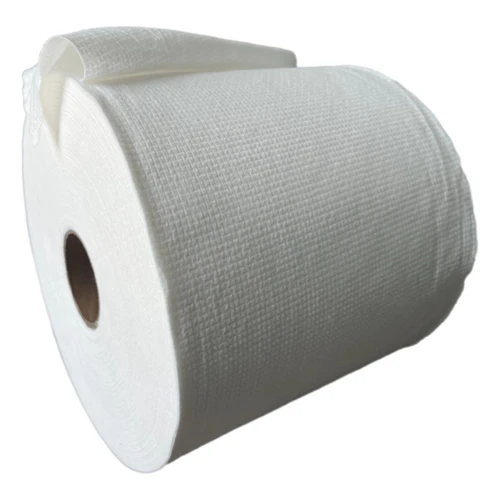
Bamboo Lyocell Nonwoven Jumbo Roll
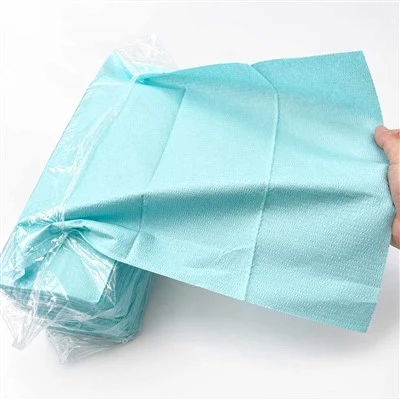
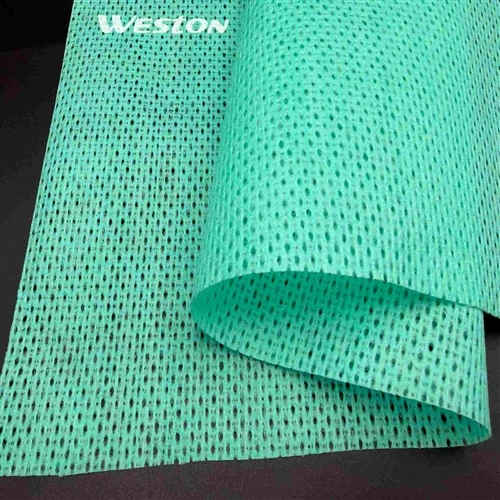
Triple Layer Bamboo Fiber Wood Pulp Spunlace Fabric
Biodegradable and flushable spunlace options
Customizable OEM & ODM manufacturing for private label brands
We control everything from sourcing to finishing to ensure the wipes you supply - or use - are not only safe and effective but also environmentally responsible.
Free samples available!
Contact us: info@westonmanufacturing.com
Final Thoughts
Wipes should be simple - soft, clean, and safe. But too often, they are full of unnecessary or potentially harmful ingredients. By choosing biodegradable, preservative-free, and fragrance-free options made from pure wood pulp or bamboo fiber, you're not only protecting your skin - you're taking a stand for the planet.
At Weston Nonwoven, we believe that science-led innovation and eco-friendly materials are the future of wipes. Trust us to help you get ahead of both safety standards and environmental trends without sacrificing performance.