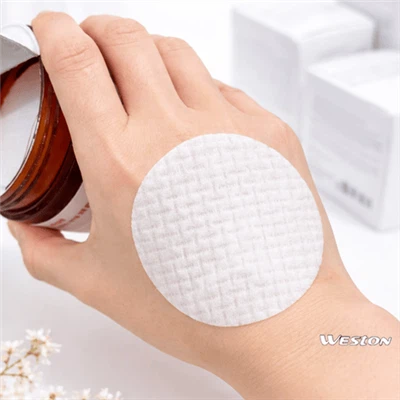
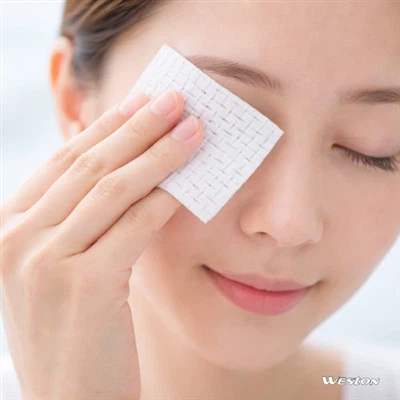
Non woven fabrics represent a revolutionary category in the textile industry, redefining possibilities across healthcare, industrial, hygiene, and fashion sectors. Unlike traditional woven or knitted fabrics, non woven textiles are engineered by bonding fibers together through mechanical, chemical, or thermal processes, creating versatile and high-performance materials. This article deeply explores various non woven fabric examples, illustrating their unique characteristics, advantages, limitations, and the subtle integration of leading-edge solutions by Weston Nonwoven factory.
The Essence and Production of Non Woven Fabrics
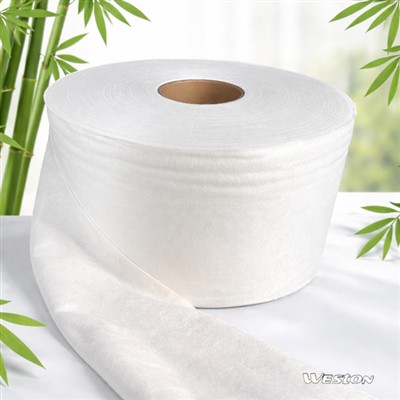
Non woven fabrics are created by interlocking fibers without weaving or knitting, often resulting in lightweight yet durable sheets or rolls. This distinct manufacturing approach brings remarkable flexibility in fiber choice, texture, strength, and porosity. Key methods include spunbond, meltblown, and spunlace-with spunlace being especially notable for its superior softness and strength, achieved through jet water entanglement.

Highlighting Core Types of Non Woven Fabrics
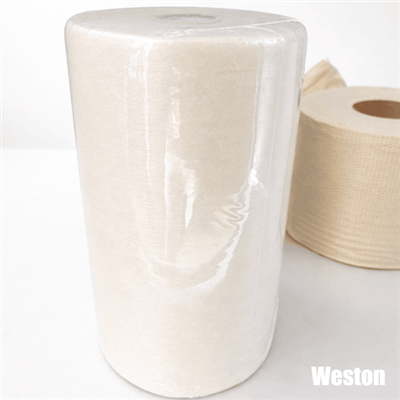
Spunlace Nonwoven Fabric: Known for impeccable softness and robustness, spunlace fabrics combine the feel of woven textiles with high water absorbency and tensile strength. An excellent example is the Purple Spunlace Nonwoven Fabric Rolls, prized for their vibrant color retention and durable use in hygiene and cleaning applications.
Hydroentangled Nonwoven Fabric: Utilizing high-pressure water jets to bind fibers, these materials offer excellent drapeability and strength, suitable for medical gowns, wipes, and filtration media.
Thermally Bonded Nonwoven Fabric: Employing heat to fuse thermoplastic fibers, these fabrics exhibit high stability and resistance to wear and tear, commonly implemented in automotive interiors and geotextiles.
Functional Applications and Specific Examples
Non woven fabrics find extensive use due to their customizable properties:
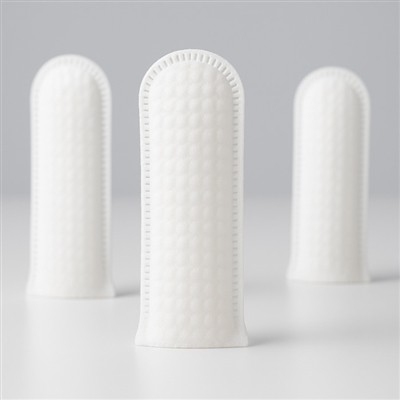
Hygiene Products: Baby wipes demand softness and safety. The Baby Wipes 100% Cotton Vacuum Sealed line from Weston Nonwoven showcases premium comfort, hygiene, and packaging innovation, perfect for sensitive skin while maintaining freshness over time.
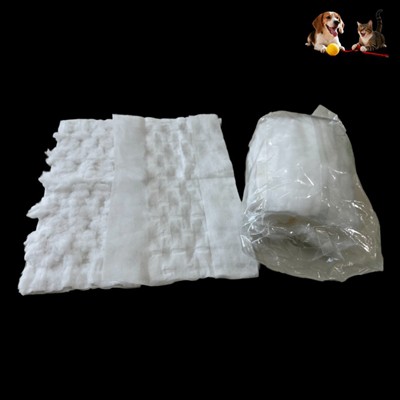
Industrial Use: The multi-functional 16 Mesh Viscose Polyester Spunlace Nonwoven Roll emphasizes durability and filtration capabilities, utilized in sectors requiring abrasion resistance and effective particulate filtration.
High-friction Applications: For industries needing robust friction qualities, the High-friction Lyocell Spunlace Fabric stands out, offering traction and durability without compromising on ecological sensibility, thanks to Lyocell's renewable sourcing.
Benefits of Non Woven Fabrics
Versatility: Non wovens adapt effortlessly to diverse applications-from surgical masks to furniture upholstery-thanks to their customizable fiber combinations and production processes.
Cost-Efficiency: While not discussing absolute price points, their speedy production and low labor requirements translate to economic viability in large-volume manufacturing.
Performance Attributes: Properties like strength, softness, water absorbency, breathability, and chemical resistance vary widely, providing tailored solutions for specialized needs.
Environmental Potential: Certain non wovens, especially those made with biodegradable fibers like Lyocell, contribute to sustainability goals when properly designed and disposed of.
Limitations and Challenges
Despite their strengths, non woven fabrics face challenges:
Durability: Some non wovens may lack the tensile strength and abrasion resistance of true woven fabrics, limiting their lifespan in heavy-use contexts.
Environmental Concerns: Synthetic non wovens can contribute to microplastic pollution unless recycled or formulated for biodegradability.
Structural Constraints: Their lack of a consistent interlaced structure can cause dimensional instability or lower tear resistance in certain forms.
It is crucial to assess intended use to balance these factors effectively when selecting fabric types.
Weston Nonwoven's Seamless Integration of Innovation
Weston Nonwoven factory exemplifies excellence in non woven fabric manufacturing, blending innovation with strict quality controls. Their product portfolio includes distinctive materials such as Baby Wipes 100% Cotton Vacuum Sealed, ensuring hygiene and preservation; Purple Spunlace Nonwoven Fabric Rolls ideal for diverse cleaning tasks; High-friction Lyocell Spunlace Fabric promoting eco-friendly durability; and 16 Mesh Viscose Polyester Spunlace Nonwoven Roll engineered for tough industrial applications.
Weston Nonwoven supports all inquiries with free sample availability: info@westonmanufacturing.com, facilitating direct evaluation of material properties before large-scale adoption.

The Road Ahead for Non Woven Fabrics
The continuing evolution of non woven fabrics underscores a blend of material science innovation and application-driven design. Advances in biodegradable fibers, nanotechnology infusion, and hybrid fabric constructions are shifting paradigms across industries. As demands for sustainability, functionality, and cost efficiency heighten, manufacturers like Weston Nonwoven remain pivotal. Their solutions demonstrate how the strategic leveraging of spunlace and other non woven technologies can meet emerging needs without compromise.
Ultimately, the study and use of non woven fabric examples reveal vast potential paired with practical considerations. By understanding both their empowering strengths and inherent limits, industries can adopt non woven textiles in ways that enhance product performance and value across countless applications.