The three main types of nonwoven fabrics are:
Spunbond Nonwovens:
Process: Spunbond nonwovens are produced by extruding continuous filaments of synthetic polymers, such as polypropylene or polyester. These filaments are laid onto a moving conveyor belt and then bonded together to form a fabric using heat and pressure.
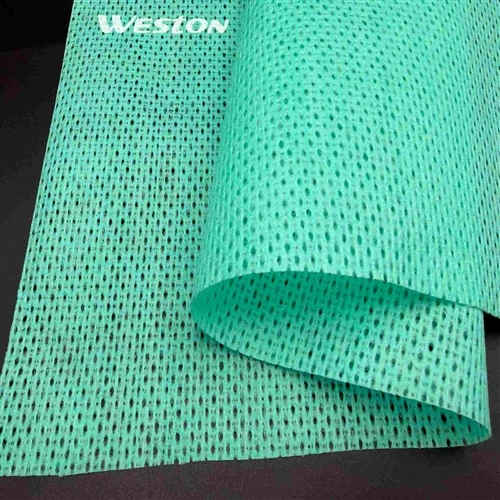
Characteristics: Spunbond fabrics are known for their strength, durability, and breathability. They have a web-like structure with randomly laid filaments that are bonded together. Spunbond fabrics are commonly used in applications such as hygiene products, agriculture covers, and industrial products.
Meltblown Nonwovens:
Process: Meltblown nonwovens are created by melting polymer granules and extruding the molten material through tiny nozzles. The extruded fibers are then blown by high-speed air onto a collector, creating a fine fiber web.
Characteristics: Meltblown fabrics have fine fibers and are known for their filtration capabilities. They are used in applications such as medical face masks, surgical gowns, and air and liquid filtration media.
Spunlace (Hydroentangled) Nonwovens:
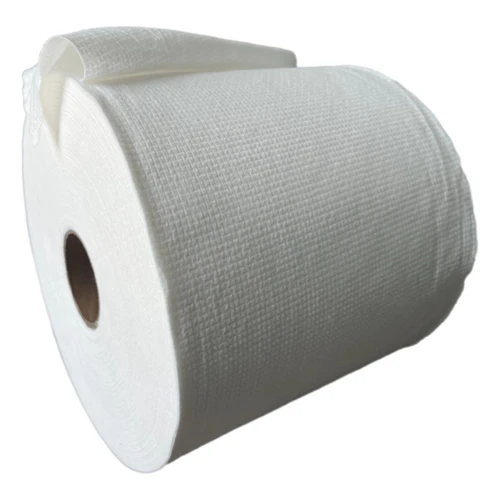
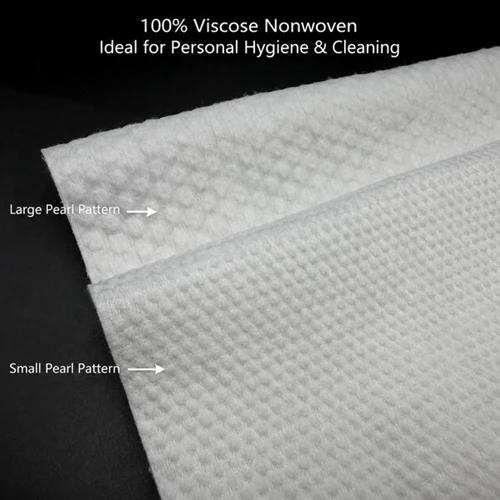
Process: Spunlace nonwovens are produced by entangling fibers using high-pressure water jets. This process creates a fabric with a soft and cloth-like texture.
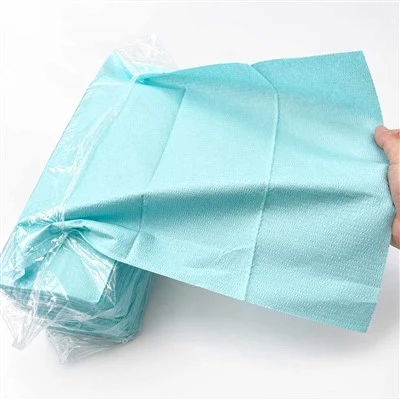
Characteristics: Spunlace fabrics are appreciated for their softness, absorbency, and versatility. They are commonly used in products such as wipes, medical dressings, and hygiene products.
These three types represent major categories of nonwoven fabrics, and each type has its own set of characteristics and applications. Additionally, there are other types of nonwoven fabrics, such as needle-punched nonwovens, stitch-bonded nonwovens, and thermal-bonded nonwovens, each with specific manufacturing processes and applications. Nonwoven fabrics are used in a wide range of industries due to their diverse properties and applications.