What Are the Healthiest Wipers for Babies?
Baby wipes are one of the most frequently used products in early childcare. A newborn may use 2,000–3,000 wipes in the first year alone. Because wipes touch the skin many times every day, their material, ingredients, and structure all matter.
Healthy baby wipes are not defined by marketing claims. They are defined by gentle fibers, safe formulations, and low friction during cleaning. When these factors are balanced correctly, wipes help maintain the baby's skin barrier instead of damaging it.
Understanding what makes a wipe healthy helps parents, retailers, and product developers make better decisions.
Why Baby Skin Needs Special Care
Infant skin is not the same as adult skin. It is thinner, more sensitive, and more easily irritated.

Medical studies show several key differences:
|
Skin Characteristic |
Babies |
Adults |
|
Skin thickness |
20–30% thinner |
Fully developed |
|
Water loss (TEWL) |
Higher |
Lower |
|
Chemical absorption |
Higher |
Lower |
|
Skin barrier strength |
Developing |
Mature |
Because the protective barrier is still forming, baby skin reacts more quickly to:
friction
harsh chemicals
strong fragrances
rough materials
This is why the design of Baby Wipes focuses heavily on softness and minimal ingredients.
The Fabric Behind a Baby Wipe
The base fabric is the core of any wipe. It determines softness, absorbency, and wiping comfort.
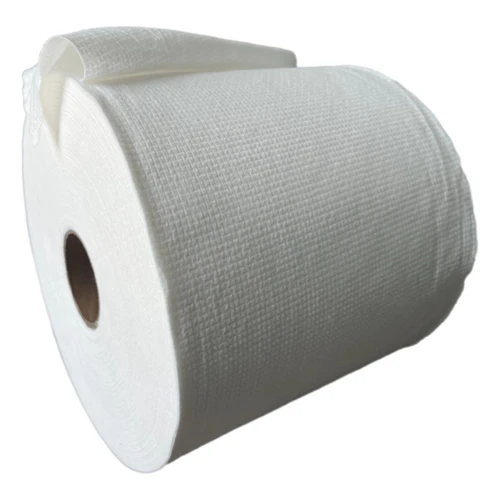
Most modern wipes are made from spunlace nonwoven fabric. This material is created by high-pressure water jets that entangle fibers together.
No glue is required.
This structure produces a fabric that is both soft and durable when wet.
Common Materials Used in Baby Wipes
Different fibers create different wiping experiences. Each material has advantages and limitations.
Cotton-Based Wipes
Cotton is widely trusted in baby care products.
Advantages
naturally soft
good absorbency
biodegradable
widely accepted by dermatologists
Limitations
higher cost
weaker wet strength if not blended
production may require more water resources
Because of these factors, cotton is often blended with viscose in nonwoven wipes.
Viscose (Plant-Derived Cellulose)
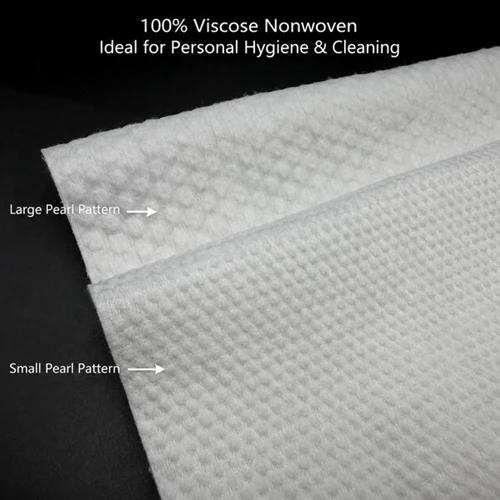
Viscose is one of the most common fibers used in wipes.
It is produced from plant cellulose and offers a balanced combination of performance and softness.
Advantages
smooth fiber surface
strong moisture absorption
stable structure when wet
cost-efficient for large-scale wipes production
Limitations
requires chemical processing during fiber production
not all viscose sources are sustainably managed
When sourced responsibly, viscose performs extremely well in Baby Wipes.
Bamboo Fiber Wipes
Bamboo-derived cellulose fibers have become popular in eco-conscious baby products.
- Advantages
plant-based raw material
smooth and soft fiber structure
naturally breathable
high absorbency
- Limitations
supply chain quality varies
not all bamboo fibers are truly eco-certified
can be more expensive than standard viscose
For premium wipes, bamboo blends are often used to enhance softness.
Materials That May Be Less Suitable for Infant Skin
Some wipes prioritize durability and cost over skin comfort.
High Polyester Content
Polyester is strong and inexpensive.
However, wipes with high synthetic content may:
feel less soft
absorb liquid more slowly
increase friction during wiping
Small amounts of polyester can improve durability, but high levels are less ideal for sensitive baby skin.

Chemical-Bonded Nonwoven Fabrics
Some nonwoven materials rely on adhesives to bind fibers together.
Possible drawbacks include:
stiffer texture
potential chemical residue
lower breathability
Hydroentangled spunlace fabrics avoid these issues and are more commonly used for hygiene wipes.
The Role of Wipe Ingredients
Fabric is only part of the equation. The liquid formula inside the wipe is equally important.
Many dermatologists recommend simple formulas.
Typical healthy wipe formulas include:
|
Ingredient Type |
Purpose |
|
Purified water (95–99%) |
Primary cleaning agent |
|
Glycerin |
Moisturizing |
|
Mild skin conditioners |
Skin protection |
|
Gentle preservatives |
Product safety |
Ingredients often avoided in baby wipes include:
- alcohol
- strong fragrances
- parabens
- formaldehyde-releasing preservatives
A shorter ingredient list usually means lower irritation risk.
Friction: A Hidden Cause of Diaper Rash
Diaper rash is often blamed on moisture alone. But friction during cleaning is another major factor.
When wipes are rough or too dry, parents may need to wipe harder. This increases skin irritation.
Healthy wipes aim to reduce friction through:
- smooth fiber surfaces
- adequate moisture levels
- flexible fabric structure
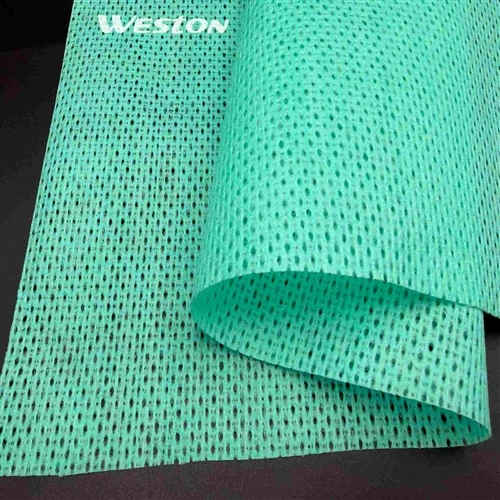
Mesh or plain spunlace textures are commonly used to improve wiping efficiency.
Environmental Impact Is Part of the Health Discussion
Baby wipes are disposable products. Environmental impact is becoming a key topic in the industry.
Some wipes contain large amounts of plastic-based fibers that degrade slowly.
More sustainable alternatives use plant-based fibers such as:
- viscose
- bamboo
- cotton
These materials allow wipes to break down more easily compared with plastic-rich wipes.
Many brands are now exploring plastic-free wipes as a long-term solution.
Manufacturing Technology Matters
Even with the same fibers, wipe performance can vary greatly depending on production technology.
Hydroentangled spunlace manufacturing offers several advantages:
strong fiber entanglement without glue
- soft hand feel
- high absorbency
- excellent wet strength
These characteristics are essential for products used repeatedly on delicate skin.
Specialized nonwoven suppliers play an important role here. For example, factories such as Weston Nonwoven, a Plant-Based Wipes Manufacturer, focus on developing spunlace materials designed specifically for hygiene and skincare products.
Their fabrics can be customized for:
fiber composition
fabric weight (GSM)
surface texture
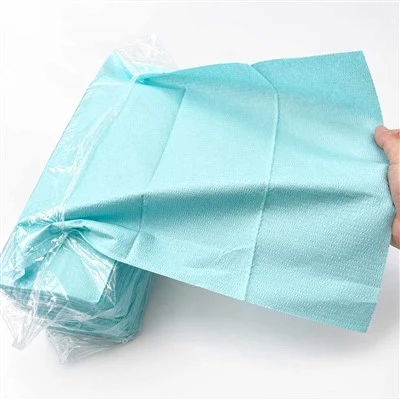
roll or sheet formats used in Baby Wipes
These upstream material innovations influence the quality of the final wipe product.

Practical Tips for Choosing Healthy Baby Wipes
Parents and product buyers can evaluate wipes using a few practical criteria.
|
Feature |
What to Look For |
|
Fiber type |
plant-based fibers like viscose, bamboo, or cotton |
|
Fabric technology |
spunlace hydroentangled nonwoven |
|
Ingredient list |
simple and mostly water-based |
|
Surface texture |
smooth and soft |
|
Wet strength |
wipe should not tear easily |
|
Fragrance |
fragrance-free or mild |
If a wipe performs well across these factors, it is more likely to be safe for everyday baby care.
Trends Shaping the Future of Baby Wipes
The baby wipe industry continues to evolve as consumers become more informed.
Several trends are becoming more visible:
plastic-free wipes
biodegradable materials
minimal ingredient formulas
dermatologically tested products
plant-based nonwoven fabrics
Manufacturers and material suppliers are investing heavily in these areas. As a result, the next generation of Baby Wipes will likely be gentler on baby skin and more responsible toward the environment.
Understanding materials, ingredients, and production methods allows parents and buyers to make smarter choices-ensuring that something as simple as a baby wipe truly supports infant skin health.