Spunlace Fabric Uses in Packaging: What It Is and Why It Actually Matters
Somewhere between a paper towel and a woven cloth, there's a material that's been quietly holding your electronics, wrapping your surgical tools, and cushioning your skincare orders. Most people haven't heard its name. It's called spunlace fabric - and it's one of the more practical packaging materials in use today.

How Spunlace Fabric Is Made
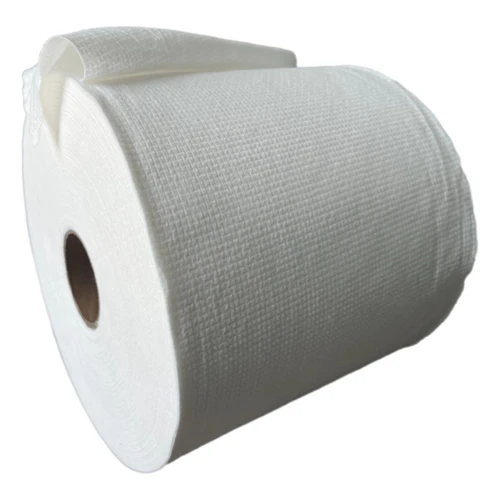
The name gives it away. "Spunlace" refers to the manufacturing process: loose fibers - usually polyester, viscose, wood pulp, or a blend - are laid onto a moving belt and hit with thousands of fine, high-pressure water jets. The jets physically entangle the fibers together without any adhesive, heat bonding, or stitching. Once dried, the result is a stable, soft, nonwoven sheet.
No glue. No weave. Just water pressure and fiber physics.
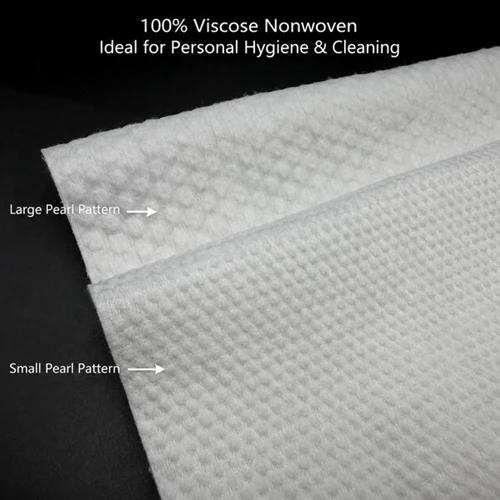
This process is also called hydroentanglement, and it gives spunlace its defining character: it's soft enough to feel like cloth, strong enough to resist tearing when wet, and thin enough to work as a packaging layer without adding significant weight.
Where It Shows Up in Packaging
Protective wraps for fragile goods
Camera lenses, circuit boards, and jewelry pieces are often shipped inside soft pouches or wraps made from spunlace. The fabric won't scratch polished surfaces, resists minor moisture exposure, and provides just enough cushioning to absorb vibration in transit. It does this without the static buildup that thin plastic films sometimes generate around electronics.
Medical device packaging
This is where spunlace earns serious credibility. Sterile surgical instrument pouches use spunlace as a barrier layer because the material is breathable - gas sterilization (ethylene oxide or steam) can pass through the fiber structure to reach the contents, while the pore geometry is tight enough to block bacterial penetration. This balance of breathability and microbial resistance is genuinely hard to achieve with conventional films or paper alone.
Laminated Nonwoven For Medical Packaging builds on this foundation by adding a bonded film layer that provides additional seal integrity and moisture resistance, while preserving the breathability needed for sterile barrier standards.
Food-contact absorbent pads
The small white pad underneath fresh poultry or meat at a grocery store is typically a spunlace-based absorbent structure. The fabric layer wicks and holds moisture away from the product surface, reducing bacterial activity and improving shelf appearance. It's not glamorous, but it's a real, practical application that affects food safety directly.
Luxury and cosmetics packaging liners
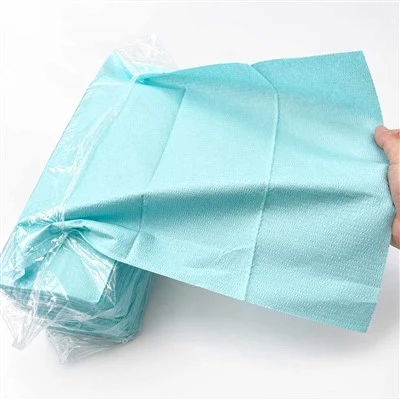
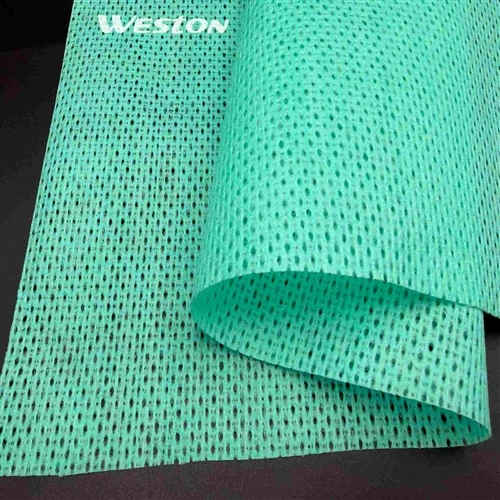
High-end skincare sets and cosmetic gift boxes often use spunlace as an interior lining material. It gives the inside of a box a soft, tactile quality that feels premium without requiring actual fabric. Custom Spunlace Packaging Material from manufacturers like Weston Nonwoven allows brands to specify weight, texture, and color to match their packaging identity - right down to how the liner feels when a customer opens the box for the first time.
What It Does That Paper and Plastic Can't
Paper is affordable, printable, and recyclable - but it tears when wet and offers essentially no cushioning. Plastic film protects well but traps moisture inside, which can cause condensation damage or accelerate microbial growth in food packaging. It also doesn't breathe at all.
Spunlace sits in a specific gap between the two:
- Wet tear resistance - it holds together when exposed to moisture, unlike paper
- Breathability - unlike sealed plastic, it allows vapor exchange
- Lightweight - a spunlace liner typically adds 15–30 gsm to a package, far less than foam or bubble wrap
- Surface compatibility - soft enough for direct contact with polished, coated, or sensitive surfaces
It's not a structural material. A spunlace layer won't replace a corrugated outer box. But as a liner, a wrap, or an inner barrier, it fills roles that neither paper nor film handles cleanly.

The Moisture-Proof Variant: When You Need a Barrier, Not Just a Layer
Standard spunlace is breathable by nature. But some packaging applications need the opposite - a reliable moisture barrier on one side while maintaining a soft, non-scratching interior surface on the other.
That's where Spunlace PE-coated Nonwoven Moisture-Proof Packaging Liner comes in. A polyethylene coating is laminated to one face of the spunlace fabric, creating a composite material: soft spunlace on the product-contact side, PE film barrier on the exterior. The result blocks moisture ingress while keeping the inner surface gentle on the contents.
This construction is used in electronics packaging, pharmaceutical transport, and premium garment storage - anywhere moisture damage is a real risk but foam or plastic inserts would be too harsh or too heavy.
The Fiber Question Nobody Asks (But Should)
"Eco-friendly nonwoven" is printed on a lot of packaging these days. It's worth pausing on what that actually means.
Spunlace made from polyester is a plastic-derived material. It doesn't biodegrade readily and is difficult to recycle through standard municipal streams. Spunlace made from wood pulp, lyocell, or bamboo-based viscose is genuinely biodegradable under the right conditions. Some versions combine both in a blend that trades off cost against end-of-life behavior.
When evaluating any spunlace packaging product, the relevant question isn't just "is it nonwoven?" - it's "what fiber is it?" The manufacturing process is the same; the environmental outcome at disposal is not.
Reputable wholesale spunlace nonwoven fabric suppliers, including Weston Nonwoven, offer clear fiber specifications across their product lines. Asking for them isn't nitpicking - it's just good sourcing practice.
What's Changing in the Industry
A few directions are worth watching:
- Active release spunlace - fabric layers infused with antimicrobial agents that slowly release into the packaging environment, extending freshness in food and pharmaceutical applications
- Compostable constructions - fully bio-based fiber and binder combinations that meet commercial composting standards, now being piloted in food-service packaging
- Paper-spunlace hybrid laminates - a thin spunlace layer bonded to kraft paper, combining the printability and recyclability of paper with spunlace's wet strength
None of these are widespread yet. But they represent the direction the industry is moving as brand owners face tighter regulations on single-use plastics, particularly in the EU, where packaging weight reduction targets are becoming enforceable requirements rather than voluntary goals.
Spunlace fabric has been in industrial and medical use since the 1970s. Its presence in consumer packaging is more recent, and it's growing for straightforward reasons: it does specific jobs - protecting surfaces, maintaining sterility, managing moisture - that other materials handle less cleanly. That's a good enough reason to understand what it actually is.