How to Make Mop Pads White Again?
A clean mop pad is the heart of an effective floor-cleaning routine. Yet after a few rounds of mopping, even the best pads start to look dull and stained. Many people throw them away once they lose their bright white look, but that isn't always necessary. With the right care, you can bring mop pads back to their clean state-or choose a smarter material that stays white longer.
Why Mop Pads Lose Their Brightness
Mop pads are constantly exposed to dirt, oil, and cleaning chemicals. Over time, these substances accumulate deep within the fibers. Each time you rinse them, a little residue stays behind. Eventually, this buildup causes discoloration.
Several factors contribute to the problem:
Chemical residue: Strong detergents and hard water minerals attach to the fabric, leaving behind a grayish film.
Organic stains: Grease, soil, and dust particles penetrate the fibers, dulling the surface.
Moisture retention: Storing mop pads before they are completely dry promotes bacterial growth, which can cause yellowing.
Low-quality fibers: Cotton or polyester blends can absorb stains more easily and are difficult to restore fully white.
The good news is that discoloration isn't always permanent. Many stains can be lifted with gentle, consistent cleaning techniques.

Practical Ways to Whiten Mop Pads
To make mop pads white again, you don't need fancy solutions-just simple, effective habits.
Rinse Immediately After Use
Right after mopping, rinse the pads under warm water to remove dirt and debris before they set in. Waiting too long allows stains to bond with the fabric.
Use Baking Soda or Vinegar Soak
Natural cleaners like baking soda and white vinegar are reliable and inexpensive. Soak mop pads in a solution of one tablespoon of baking soda per liter of warm water for 30 minutes, or use half a cup of vinegar in a full sink of water. These break down oils and soap film without damaging fibers.
Avoid Bleach Overuse
Bleach may seem like the fastest way to whiten, but frequent use can weaken fibers and cause yellowing over time. Reserve it for occasional deep cleaning rather than daily maintenance.
Machine Wash Separately
Always wash mop pads alone or with similar cleaning textiles. Household laundry detergent is usually sufficient, but choose a mild formula to protect the fibers.
Dry Thoroughly in the Sun
Sunlight naturally brightens fabrics and helps disinfect. Spread mop pads flat to dry completely before storing to prevent odor and bacteria growth.
Regular care not only restores whiteness but also extends the pad's cleaning efficiency.
The Hidden Role of Material Quality
The kind of fabric used in a mop pad makes a major difference in how well it resists staining. Traditional woven fabrics-like cotton or polyester-tend to trap dirt deep between threads. Over time, this trapped residue becomes nearly impossible to remove.
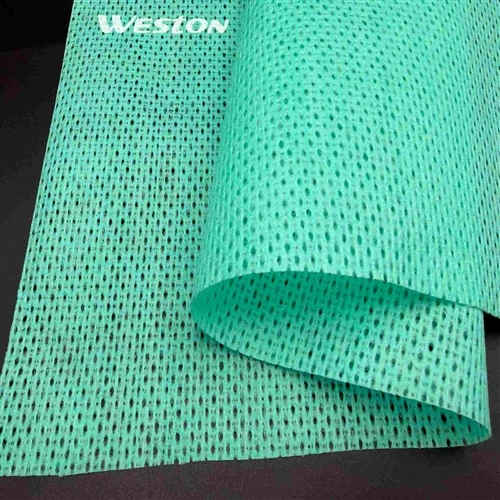
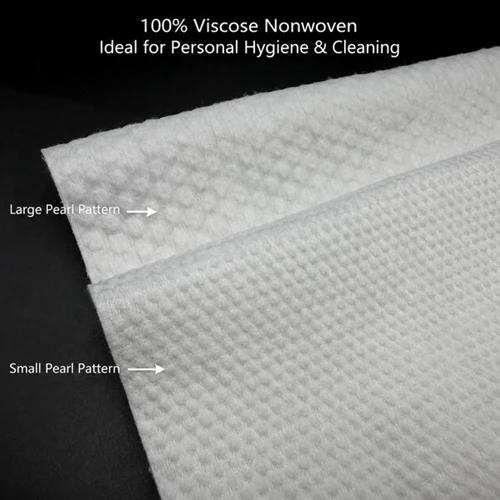
Modern nonwoven fabrics, on the other hand, are structured differently. Instead of being woven or knitted, fibers are bonded through hydroentanglement, creating a strong yet smooth surface. This texture makes it easier to rinse away dirt and prevents buildup.
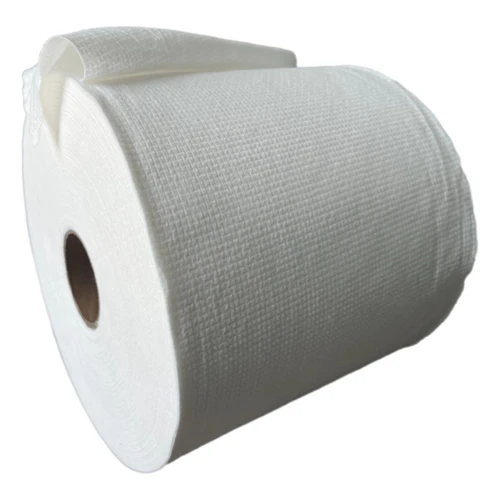
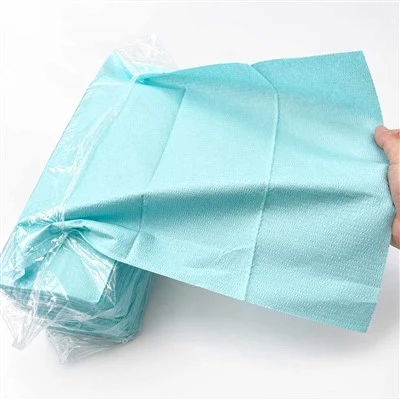
For example, Weston Nonwoven produces Disposable Wet Mop Pads using high-quality spunlace nonwoven technology. This type of fabric balances absorbency and release-it soaks up liquid and dust effectively but lets go of stains more easily when rinsed.
Because of their smooth fiber structure, nonwoven mop pads maintain a cleaner appearance longer, even after multiple uses. In professional cleaning or healthcare settings where hygiene is critical, disposable options reduce cross-contamination risks and eliminate the need for bleaching or rewashing altogether.
When to Replace Your Mop Pads
Even with the best care, mop pads don't last forever. Watch for these signs that it's time to replace them:
Frayed edges or thinning spots that reduce absorbency.
Persistent discoloration that doesn't improve with soaking.
Unpleasant odor that returns after washing.
Reduced cleaning performance-if the pad leaves streaks or pushes dirt rather than lifting it.
If you clean large spaces or need to maintain strict sanitation standards, disposable options like Disposable Wet Mop Pads from Weston Nonwoven are a practical solution. They save washing time, maintain consistent hygiene, and deliver reliable absorbency with every use.

Keeping Mop Pads White the Smart Way
Restoring mop pads to white isn't about one miracle product-it's about using thoughtful cleaning methods and understanding materials. Avoid harsh chemicals, practice consistent care, and choose fabrics designed for durability and easy cleaning.
If you prefer a no-maintenance approach, disposable nonwoven pads are a modern, efficient option that aligns with both hygiene and convenience needs. Weston Nonwoven continues to develop reliable nonwoven solutions that combine strength, softness, and cleanliness-all essential for keeping your floors and your mop pads as spotless as possible.