Polypropylene is a ubiquitous plastic material you've likely encountered in everyday items like water bottles or packaging. But when it comes to "medical grade," the question arises: does this versatile polymer inherently qualify for use in healthcare settings, such as surgical tools or protective gear? In short, polypropylene itself isn't automatically medical grade; it requires specific refinements and testing to meet stringent health standards. This article delves into the science behind polypropylene from various angles to address this core query, offering a grounded perspective on its potential and limitations.
The Chemical Composition of Polypropylene
At its core, polypropylene is a thermoplastic polymer synthesized from propylene monomers via polymerization. Its molecular structure consists of long hydrocarbon chains, often arranged in a helical form, which imparts remarkable chemical stability. From a chemistry standpoint, polypropylene resists acids, bases, and high temperatures, maintaining integrity up to around 120°C. This makes it ideal for medical applications involving sterilization, where heat resistance is crucial.
However, not all polypropylene is created equal. Standard grades may contain impurities like catalyst residues or additives that could leach harmful substances. For medical use, purification processes are essential, involving advanced catalysis and post-processing to eliminate contaminants. Think of it as refining raw ore into pure metal-only the cleanest form suits sensitive environments like operating rooms.
An intriguing aspect is polypropylene's stereoisomers: isotactic, syndiotactic, and atactic. Medical-grade variants typically favor isotactic forms due to higher crystallinity, enhancing durability and resistance to deformation. This molecular tailoring underscores why polypropylene can transition from industrial to medical realms, but only with precise chemical engineering.
Biological Compatibility and Health Implications
Biologically, medical materials must coexist harmlessly with human tissues, avoiding inflammation or toxicity. Polypropylene shines here with its inert nature; it doesn't react with water or bodily fluids, nor does it release ions that could disrupt cellular functions. In implants like hernia meshes, it can remain in the body long-term without rejection, showcasing excellent biocompatibility.
Yet, surface properties pose challenges. Polypropylene is hydrophobic, making it prone to bacterial adhesion and potential infections. Scientists counter this through modifications like plasma treatment or antimicrobial coatings, boosting hydrophilicity and safety. For instance, in nonwoven fabrics used for masks or gowns, such enhancements ensure effective particle filtration while minimizing biological risks.
On the flip side, incomplete degradation can release microplastics, potentially entering the bloodstream and causing chronic issues. Studies indicate possible endocrine disruption from prolonged exposure, though medical-grade controls mitigate this. This highlights a balanced view: polypropylene's biological inertness is a strength, but ongoing research is needed to address subtle long-term effects on human ecology.
Physical Properties and Practical Medical Uses
Physically, polypropylene boasts a low density of about 0.9 g/cm³, combining lightness with high tensile strength-up to 1.5 GPa in modulus. This allows for lightweight yet robust items like syringes or catheters, reducing patient discomfort. Its electrical insulation also prevents current leaks in electrosurgical devices, adding to its utility.
In innovative applications, polypropylene enables 3D printing for custom implants, precisely matching anatomical needs. This physical adaptability represents a fresh viewpoint: evolving from static material to dynamically shaped solutions. However, brittleness at low temperatures is a drawback, necessitating toughening agents in cold environments like refrigerated storage.
Broadly, it's used in disposable items such as IV bags, valued for transparency and puncture resistance. During health crises, its role in protective equipment has been pivotal, though overreliance raises environmental concerns due to slow biodegradation.
To illustrate the multifaceted nature of polypropylene in medical contexts, consider this comparative table:
|
Aspect |
Standard Polypropylene |
Medical-Grade Polypropylene |
Key Differences |
|
Purity Level |
May include impurities |
Highly purified, no residues |
Removes leaching risks for body contact |
|
Sterilization Tolerance |
Limited to low-heat methods |
Withstands autoclaving (up to 120°C) |
Ensures safety in surgical settings |
|
Biocompatibility |
Moderate, potential irritation |
High, minimal immune response |
Tested for long-term implantation |
|
Applications |
Packaging, textiles |
Implants, filters, PPE |
Tailored for health vs. general use |
|
Environmental Impact |
Slow degradation, pollution risk |
Similar, but recycled variants emerging |
Focus on sustainable processing |
This table highlights how refinements elevate polypropylene from everyday to medical utility, emphasizing scientific optimizations.
Analyzing Advantages and Drawbacks
Polypropylene's advantages are compelling: high corrosion resistance extends device longevity, while flexibility aids in shaping diverse forms. In medical scenarios, this translates to reliable tools that enhance treatment efficacy.
Drawbacks include thermal limits-melting around 160°C restricts some sterilization techniques-and poor natural degradability, contributing to waste. Surface dust accumulation demands extra treatments to prevent contamination.
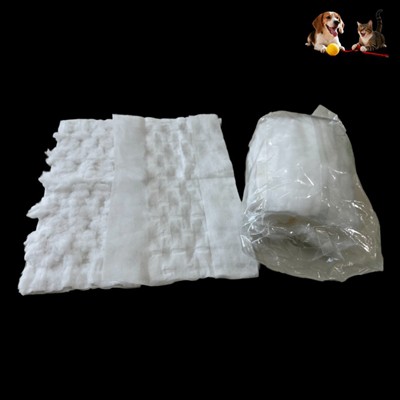
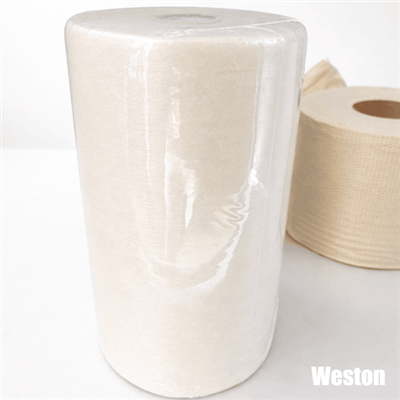
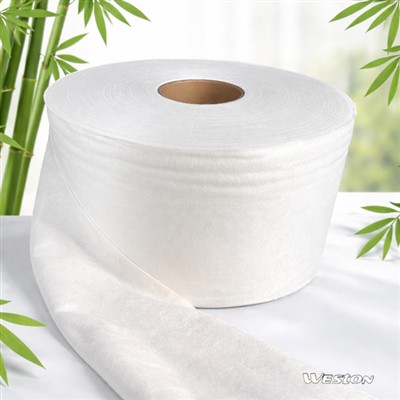
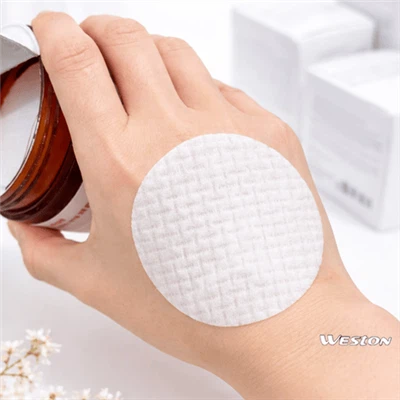
Integrating advanced forms, such as those from Weston Nonwoven, subtly enhances options. For example, Industrial Polypropylene Spunlace offers durable wipes for cleanrooms, while Melt Blown Polypropylene Filter excels in air and liquid filtration, and 100% Polypropylene Spunlace provides pure, absorbent fabrics for hygiene products. These exemplify how specialized processing pushes polypropylene toward medical suitability without overshadowing its core scientific attributes.
In essence, through chemical, biological, and physical lenses, polypropylene can achieve medical-grade status with targeted enhancements. Future advancements, like nanotechnology integrations, may further solidify its role as a versatile "super material" in healthcare. For those interested in exploring samples, contact info@westonmanufacturing.com for free inquiries.