Introduction: Separating Fact from Fiction
The widespread adoption of melt-blown polypropylene in personal protective equipment has sparked legitimate health concerns among consumers. From face masks to respirators, billions of people encounter this material annually. Yet misinformation proliferates: Is the material itself toxic? Do microfibers damage our lungs? Can additives leach into our bodies? This article examines the scientific evidence comprehensively to answer these critical questions with nuance and precision.
Understanding Polypropylene at the Molecular Level
Polypropylene (PP) is a synthetic polymer composed of repeating (C₃H₆) units arranged in long chains. Unlike other plastics such as polyvinyl chloride (PVC) or polystyrene (PS), polypropylene possesses inherently low toxicity. The material is FDA-approved for food contact, indicating its safety profile when used appropriately. The key distinction lies not in the base polymer itself, but in how it's processed and what additives are incorporated during manufacturing.
Chemical Inertness and Bioavailability
Polypropylene exhibits remarkable chemical stability. It doesn't contain bisphenol A (BPA), phthalates, or other known endocrine disruptors. When ingested, it passes through the digestive system largely intact, without bioaccumulation. This biological inertness forms the foundation of its safety classification across medical and consumer applications.
The Melt-Blown Manufacturing Process: Where Safety Matters Most
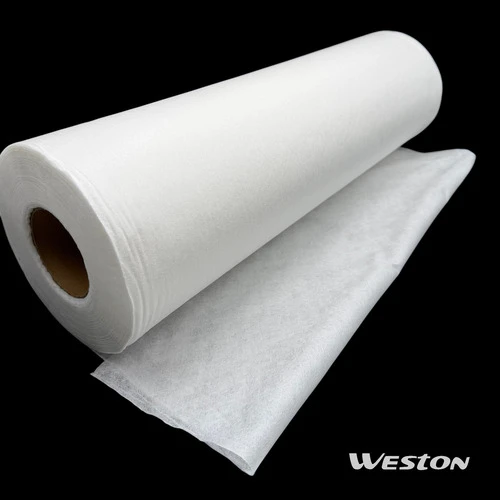
The critical distinction between a safe and potentially problematic polypropylene product emerges during manufacturing. The melt-blown process involves heating raw polypropylene to 220-280°C, then injecting it into a chamber with heated air jets (250-400°C) to create ultra-fine fibers with diameters of 0.5-5 micrometers. These fibers form the filtration matrix of Melt Blown For N95 Respirator layers, surgical masks, and industrial filters.
Thermal Stability Considerations
While the production temperatures appear extreme, the fibers cool instantly upon formation. Post-production, polypropylene remains thermally stable well below 100°C-far below any degradation threshold. The real risk emerges only under misuse scenarios: prolonged exposure to direct sunlight (exceeding 60°C) or improper storage in heated environments can accelerate polymer aging.
Fiber Size and Inhalation Risk: The Nuanced Reality
Here lies the legitimate concern requiring honest examination. Melt-blown fibers, measuring 0.5-5 micrometers in diameter, fall within the respirable size range capable of penetrating deep lung tissue if inhaled as free particles. Animal studies confirm that concentrated polypropylene microparticle inhalation induces measurable inflammatory responses at high exposures (2-10 mg/m³). However, this finding requires critical contextual interpretation.
Dose-Response Relationship
The inflammatory threshold observed in laboratory studies vastly exceeds realistic consumer exposure. A person wearing a properly manufactured N95 mask experiences negligible fiber inhalation because fibers remain structurally integrated within the dense nonwoven matrix. Only under conditions of mechanical damage-aggressive rubbing, cutting, or extended deterioration-do individual fibers begin separating. The annual environmental polypropylene microplastic burden on the general population remains orders of magnitude below the LOAEL (Lowest Observed Adverse Effect Level) identified in research.
Comparative Risk Profile
Polypropylene induces significantly lower inflammatory responses compared to polystyrene (PS) or polyvinyl chloride (PVC). This comparative safety profile explains why polypropylene dominates medical applications where PVC alternatives would pose greater risks.

The Role of Additives: Manufacturing Quality as Safety Determinant
Raw polypropylene in industrial applications incorporates antioxidants, UV absorbers, antistatic agents, and flame retardants. These additives extend product lifespan and enhance performance characteristics. Yet here emerges a genuine manufacturing differentiation: high-quality production facilities select low-migration additives and rigorously control concentration levels, while substandard manufacturers may employ questionable formulations.
Plasticizer Migration Risk
Under specific conditions-sustained high temperatures, prolonged storage, or liquid exposure-certain additives can migrate from the polymer matrix. This represents the most plausible chemical safety concern, entirely preventable through proper additive selection and manufacturing protocols. Premium nonwoven manufacturers limit additive migration to negligible levels through rigorous quality assurance.
Applications and Safe Use: Context Matters
Polypropylene nonwoven products serve diverse functions-from medical protection to consumer goods. Disposable Travel Pillow Covers utilizing polypropylene demonstrate the material's suitability for skin contact applications due to its hypoallergenic properties and low irritation potential. The same chemical inertness that makes polypropylene safe for face contact during 8-hour mask wearing applies to bedding contact during extended overnight use.
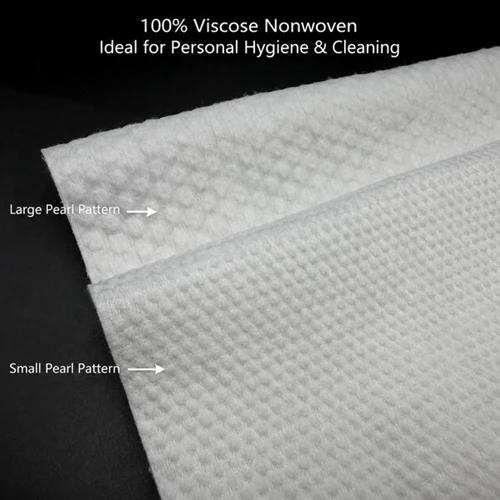
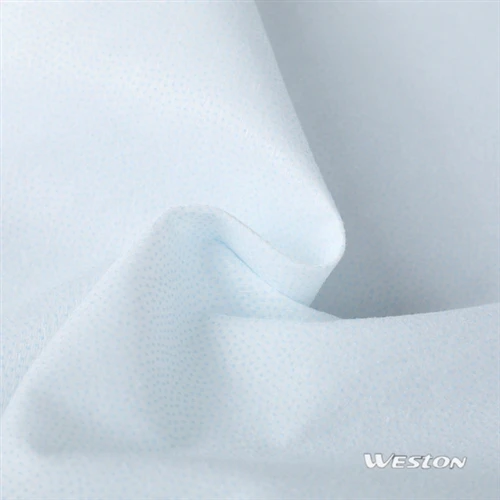
100% Polypropylene Spunlace nonwoven fabrics offer an additional manufacturing variation-spunlace bonding through high-pressure water jets rather than thermal bonding. This process produces remarkably soft, durable textiles suitable for sensitive applications without introducing new safety concerns. The material remains biologically inert regardless of production methodology.
Proper Usage Guidelines
Safety depends critically on product handling. Normal mask usage-wearing for designated periods, storage in dry conditions at room temperature, and disposal through standard waste streams-poses negligible health risks. Conversely, reusing single-use masks beyond design specifications, exposing products to extreme temperatures, or mechanically damaging materials increases potential concerns.
Critical Safety Metrics and Standards
Contemporary manufacturing standards establish rigorous specifications: filtration efficiency, breathing resistance, microbial barrier performance, and chemical composition limits. Products meeting international standards (ASTM F2100 for surgical masks, 42 CFR 84 for N95 respirators) undergo comprehensive safety validation. These standards evolved from accumulated safety evidence spanning decades of clinical experience involving billions of users globally.
The Epidemiological Record
Despite unprecedented worldwide exposure during pandemic-driven mask mandates, medical literature shows no pandemic of polypropylene-related pulmonary disease. Healthcare workers wearing N95 masks continuously throughout their careers show no excess incidence of polypropylene-associated lung disorders. This real-world experience provides perhaps the most compelling safety evidence.
Risk Mitigation and Quality Assurance
Recognizing manufacturing differentiation proves essential. Premium nonwoven manufacturers employ:
Medical-grade polypropylene feedstock with <0.1% impurities
FDA-compliant, low-migration additive formulations
Real-time process monitoring for fiber diameter, weight, and uniformity
Batch testing for physical properties, chemical safety, and microbial limits
Transparent supply chain documentation
These quality measures elevate product safety well above minimum regulatory thresholds.
Emerging Research and Future Perspectives
Scientific understanding of microplastic health effects continues evolving. Long-term epidemiological studies examining low-dose chronic exposure remain ongoing. However, current evidence-combining chemical analysis, animal models, and human epidemiology-establishes that appropriately manufactured polypropylene nonwoven products pose minimal health risks under normal use conditions. Individuals concerned about microplastic exposure should prioritize other exposure sources (vehicle tire wear, textile shedding, synthetic clothing degradation) representing far greater annual burdens.
Conclusion: Evidence-Based Safety Perspective
Melt-blown polypropylene merits scientific respect as a safe, highly functional material when manufactured to quality standards. The base polymer exhibits inherent safety advantages over alternative plastics. Manufacturing processes have been refined through decades of application, with established safety standards preventing quality failures. Real-world epidemiological experience across billions of users confirms the safety profile.
The legitimate safety variable lies not in polypropylene's fundamental chemistry but in manufacturing rigor-specifically additive selection, process control, and quality assurance. Selecting products from reputable manufacturers utilizing 100% Polypropylene Spunlace and other premium nonwoven technologies provides assurance that theoretical risks remain theoretical rather than materializing into actual harm.
For sample materials, specifications, and manufacturing details regarding superior polypropylene nonwoven products, contact info@westonmanufacturing.com.