What Are the 4 Types of Cotton? A Plain-Talk Guide You Can Actually Use
We talk about cotton every day-on our skin, in our beds, in our bags-but we rarely pin down what kind we're using. Here's a grounded, straight-shooting look at the four types you see most in stores and specs, how they differ, and how to choose without getting lost in marketing fog.
What We Mean by "Types" of Cotton
Cotton is a natural fiber from the boll of the cotton plant. The big levers of quality are fiber length (staple), strength, fineness, and cleanliness.
Longer fibers make smoother, stronger yarns with less lint and fewer pills. Shorter fibers are fuzzier, more affordable, and more prone to pilling.
Spinning and fabric construction matter too: combed, ring-spun yarns beat open-end; percale feels crisp; sateen feels sleek; terry loops change towel behavior more than the label on the bag.
The Big Four You'll Actually Meet
1) Upland Cotton (Gossypium hirsutum)
Profile: Makes up about 90% of global cotton. Medium staple (roughly 1.0–1.1 inches).
Strengths:
Widely available and affordable.
Good for rugged uses (denim, workwear).
Easy to blend and process at scale.
Trade-offs:
More linting and pilling than long-staple.
Not as smooth or glossy.
Best fits:
Everyday T-shirts, denim, basic sheets, utility towels.
If the label says combed, ring-spun, or mercerized, you're getting a noticeable upgrade.
2) Egyptian Cotton (often Extra-Long Staple)
Profile: Grown in Egypt under Nile irrigation; can range from long to extra-long staple (often 1.3 inches+).
Strengths:
Smooth handfeel, high strength, lower lint.
Takes dye well; color stays true after many washes.
Trade-offs:
Label confusion: not all "Egyptian" is extra-long staple; quality varies widely.
Price premium; real verification matters.
Best fits:
Premium bedding, fine shirting, heirloom pillowcases.
What to look for:
Verified ELS content, supplier traceability, or named varietals rather than just the country name.
3) Pima Cotton (including Supima in the USA)
Profile: Extra-long staple bred from Egyptian lineage; grown in the Americas. Supima is a certification/trademark for American ELS Pima.
Strengths:
Soft, resilient, and less prone to pilling.
Strong yarns that stay smooth after repeated wear.
Trade-offs:
Genuine ELS commands a higher price.
Counterfeit or vague "Pima blends" can dilute performance.
Best fits:
Elevated basics, long-lasting knit tees, premium towels, smooth sheeting.
What to look for:
"Supima" mark for 100% U.S.-grown ELS; lab-tested staple length when available.
4) Organic Cotton (a farming method, not a species)
Profile: Grown without synthetic pesticides and often without GM seeds; verified by certifications such as GOTS or OCS.
Strengths:
Lower chemical inputs; often better traceability.
Works well for sensitive skin products.
Trade-offs:
"Organic" doesn't guarantee long staple; softness and strength still depend on fiber length and spinning.
Yields can be lower; price can be higher.
Best fits:
Babywear, skin-contact textiles, responsible brand programs.
What to look for:
Actual certification (GOTS/OCS), not just "eco" language. Confirm staple length and yarn type.
Note: You'll also hear about Sea Island cotton (rare Caribbean ELS with exceptional fineness) and Turkish cotton (often long-staple upland; towel plushness relies as much on loop design as fiber). These are useful descriptors, but the practical lens is still staple length, yarn quality, and construction.

How Fiber Length Changes Your Experience
Feel: Longer fibers = fewer fiber ends on the surface = smoother, silkier touch.
Durability: Longer fibers produce stronger yarns; fabrics resist tearing and thinning better.
Pilling and lint: Shorter fibers shed more; longer fibers keep the surface cleaner.
Breathability and drape: Construction matters-percale (crisp, cool), sateen (sleek, warmer), jersey (stretchy, casual), twill (durable), gauze (airy).
Thread Count, Debunked
Real quality is fiber length + yarn quality + weave integrity.
A solid 300–400 thread-count percale in long-staple often beats a flashy "1,000" made with multi-ply tricks and short fibers.
For sateen, 300–480 TC is a sane range; focus on ELS content and finishing.
What to Buy for Real-Life Use
Everyday T-shirts: Upland if budget matters; Pima/Supima if you want smoother handfeel and longer life. Look for "combed, ring-spun."
Dress shirts: Long-staple Pima/Egyptian; two-ply yarns for strength and clean finish.
Bedding: Long-staple percale (300–400 TC) for cool, crisp nights; long-staple sateen (300–480 TC) for a softer, warmer drape.
Towels: Long-staple helps durability; low-twist or zero-twist loops feel plush but may wear faster-check GSM and loop construction.
Baby and sensitive skin: Certified organic; avoid harsh resins and optical brighteners. OEKO-TEX or GOTS tagging is a plus.
Labels and Claims: Read Them Like a Pro
Positive signals:
ELS, Pima, Supima, verified Egyptian ELS, GOTS/OCS for organic.
Combed, ring-spun; yarn count details (e.g., 60s/1 or 80s/2).
Caution flags:
Vague "hotel luxury," "100% cotton premium," or extreme thread counts.
Country names without fiber specs or certification.
Smart questions:
What's the staple length? What yarn system (ring-spun, open-end)? Any third-party verification?
Sustainability Snapshot
Farm level: Organic and Better Cotton aim to reduce certain impacts; regenerative practices target soil health and water management. Real results vary by region and execution.
Product level: The most reliable "green" move is durability-buy fewer, better items you'll use often and maintain well.
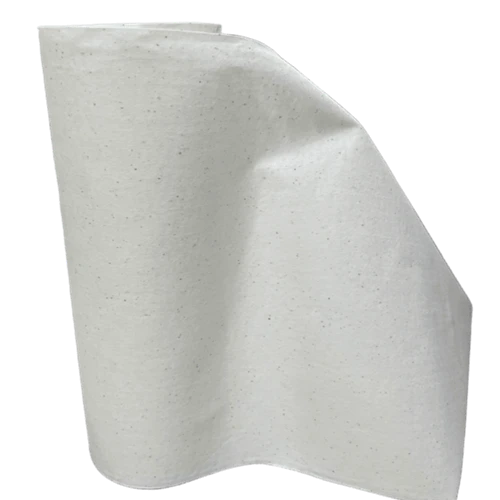
End of life: Pure cotton (especially Unbleached 100% Cotton) is easier to recycle or compost in the right systems than blends with synthetics.
Quiet, Practical Use Cases From the Nonwovens Side
Cotton isn't only woven or knit. In nonwovens, staple quality and finishing still drive performance:
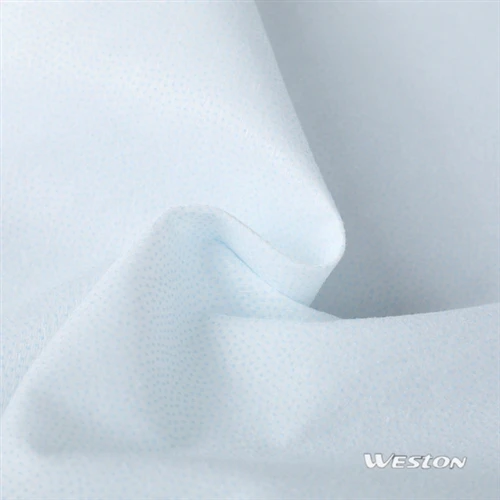
Personal care: Cotton Face Cleansing Wipes benefit from long, clean fibers for low lint and gentle glide on skin.
Medical and care: Organic Cotton Gauze Roll pairs breathability with low-residue performance; certification helps with skin safety claims.
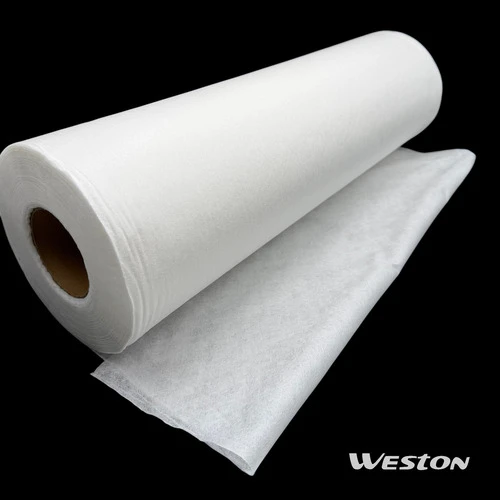
Industrial/household: Unbleached 100% Cotton substrates keep chemistry simple and improve absorbency for certain wipe formats.
These categories are a small slice of what West-to-East suppliers handle; if you spec nonwoven inputs, consistency and validated testing matter as much as fiber pedigree.
Quick Buyer's Grid
Value and toughness first? Upland, but choose combed, ring-spun.
Soft and durable basics? Pima/Supima.
Cool, crisp sheets? Long-staple percale, 300–400 TC.
Silky, warmer sheets? Long-staple sateen, 300–480 TC.
Lower chemical inputs? Certified organic cotton (verify the cert).
True luxury? Verified ELS (Supima, Sea Island-rare and pricey).
A Note on Sourcing Without the Hype
Chase specs, not slogans. Ask for staple length, yarn system, twist, and independent certifications. Test for pilling, bursting strength, colorfastness, and shrinkage. Build your bill of materials around use, not buzzwords.
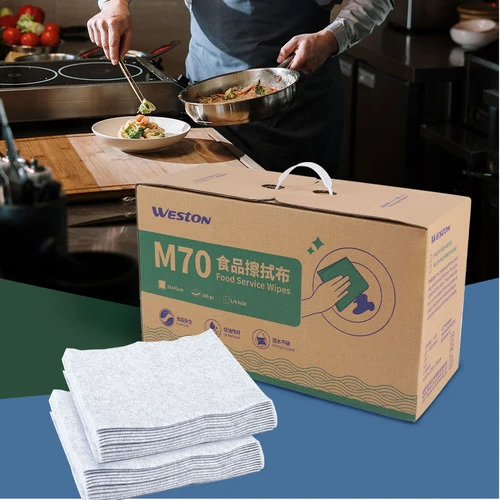
If you work with wipes or medical textiles and need stable, certified supply, a water-jet nonwoven line can deliver consistent surface and lint control-this is where a partner like Weston Nonwoven steps in, with options across Cotton Face Cleansing Wipes, Organic Cotton Gauze Roll, and Unbleached 100% Cotton substrates to match different absorbency and softness targets.