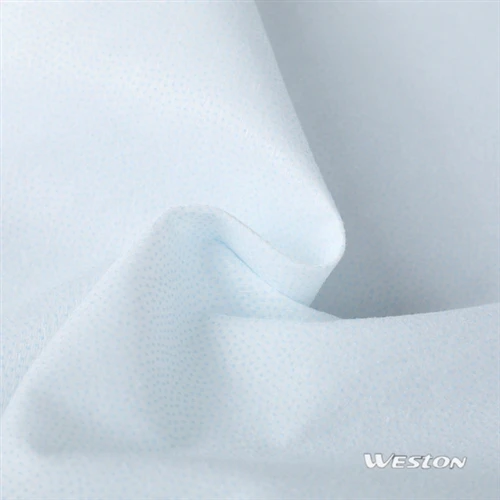
Non-woven fabrics are found everywhere-from medical gowns to shopping bags, from geotextiles to high-performance outdoor gear. They are often marketed as water-resistant or waterproof. But what does waterproof really mean for non-wovens? Can these materials truly stop liquid water? This article explores the science behind non-woven fabrics, the trade-offs involved, and their real-world applications. The main takeaway is that waterproofing is a spectrum, not a simple yes-or-no answer.
Understanding Non-Woven Fabric
What Makes Non-Woven Different
Non-woven fabrics are made by bonding fibers together rather than weaving or knitting them. This creates a fabric that is both porous and strong. The way fibers are arranged and bonded determines how the fabric behaves with liquids.
In contrast, woven fabrics use interlaced yarns, while knitted fabrics use loops. These structures create different pathways for water and air. Non-woven fabrics can have controlled pore sizes, making them suitable for filtration, absorption, or barriers.
Why does this matter for waterproofing? The fabric's porosity, bonding strength, and surface chemistry affect how water interacts with it during brief contact or prolonged exposure.
Manufacturing Methods and Water Performance Implications
Spunbonding creates continuous fibers laid into a web, resulting in a strong but open structure. This method leans towards water resistance rather than complete waterproofing, especially in thinner materials.
Meltblown produces very fine fibers that form a denser web; adding layers or coatings can enhance its barrier properties while maintaining breathability.
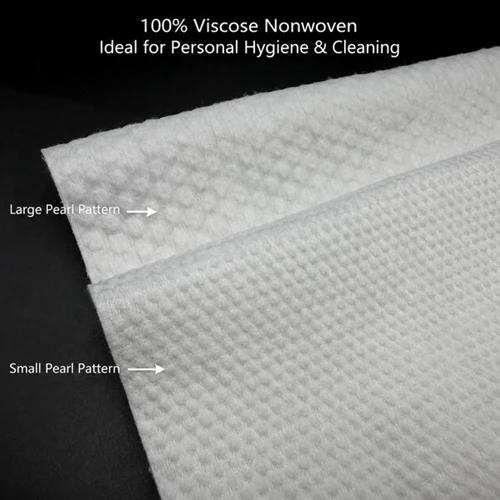
Needle-punching and spunlacing entangle fibers to create soft and durable fabrics. These materials tend to absorb water unless enhanced with coatings.
Bonding methods-whether thermal, adhesive, or mechanical-affect how easily liquid water can penetrate, thus influencing waterproofing and durability.
Properties of Non-Woven Fabric
Material Composition
Common materials for non-woven fabrics include polypropylene (PP) and polyester (PET). PP is naturally water-resistant, while PET offers strength and moderate moisture interaction. The choice of materials also impacts environmental concerns, recyclability, and end-of-life options.
Breathability vs. Waterproofing
Water vapor and air molecules are much smaller than liquid water droplets, so breathable non-wovens are designed to let moisture vapor pass while blocking liquid water. True waterproofing requires very small pathways or a continuous barrier.
Key takeaway: For consumer or industrial products, it's important to understand whether breathability or liquid barrier is more important for your specific use case.
Waterproofing Mechanisms
Natural Properties
Some non-wovens have water resistance because of their base materials and strong bonding. For short exposures, these materials can repel water, but prolonged contact may lead to water penetration.
Coatings and Treatments
Coatings like polyurethane can form a surface layer that greatly enhances waterproofing. However, they may also reduce breathability and change how the fabric feels.
Superhydrophobic coatings can repel water at angles greater than 150°, allowing for self-cleaning effects. These coatings can wear off over time, requiring reapplication.
Surface chemistry can be adjusted to either repel water or guide it along a controlled path, depending on the application.
Lamination and Composite Structures
Laminated or multilayer fabrics combine a barrier layer with outer layers. The barrier layer blocks liquid water, while the outer layers provide strength.
Membrane integration can achieve true waterproofing while maintaining breathability, especially when using microporous membranes.
Measuring Water Resistance
Hydrostatic pressure testing measures how much water pressure a fabric can withstand before leaking-higher values indicate better waterproofing.
Water contact angle measurements indicate how well a surface repels water; higher angles mean better water resistance.
MVTR (Moisture Vapor Transmission Rate) assesses breathability, which is critical for comfort in wearables.

Applications of Waterproof Non-Woven Fabrics
Medical and Healthcare
Non-woven fabrics are used in gowns, drapes, and protective clothing to meet specific barrier levels. Standards such as ANSI/AAMI PB70 guide the required performance for infection control.
In healthcare, waterproofing is balanced with breathability to protect patients and workers while ensuring comfort.
Construction and Geotextiles
In construction, non-wovens serve as moisture barriers and drainage layers. Waterproofing is often paired with ventilation needs, so absolute impermeability is not always the goal.
Geotextiles provide separation and filtration while allowing controlled water movement, crucial for soil stability.
Outdoor and Consumer Goods
Rain gear, bags, and outdoor equipment use laminated or coated non-wovens to provide weather protection without sacrificing flexibility.
Reusable products like Water-Resistant Spunlace Fabric and Waterproof Spunlace for Surgical Gowns are increasingly available as customizable solutions aligned with brand values. Weston Nonwoven can tailor these products to meet specific needs.
Industrial and Environmental Innovation
Non-wovens are used for oil-water separation and self-cleaning surfaces to tackle environmental challenges. Smart fabrics that adapt to conditions are emerging, improving comfort and protection.
Limitations and Considerations
Durability Under Water Exposure
Prolonged immersion or repeated washing can degrade coatings or laminated structures. Wear and exposure to chemicals or UV light can reduce waterproof performance over time.
For reusable non-wovens, lifecycle testing is essential to understand long-term performance.
Environmental Impact and End-of-Life
Many non-wovens use synthetic materials that raise microplastic concerns. Coatings complicate recycling, so designers are moving toward recyclable or biodegradable options.
Performance vs. Cost
Higher waterproof performance often comes at the cost of breathability or higher material expenses. The choice between a lightweight, breathable barrier and a more robust system depends on specific needs and overall costs.
Conclusion
Context-Driven Waterproofing
Non-woven fabrics are not inherently waterproof; their waterproofing comes from material choices, bonding methods, coatings, and how they interact with water.
This understanding helps designers and users select the right solutions for their needs-whether it's a disposable medical gown or a durable outdoor jacket.
Practical Guidance for Consumers and Brands
Define the use case: Is liquid barrier needed, or is breathability more important? What are the expected exposure conditions?
Check relevant standards (like PB70 for medical products) and testing methods to ensure the product meets your needs.
Consider lifecycle and sustainability: Are coatings recyclable? Are there bio-based options available?
Future Outlook
The next generation of waterproof non-wovens will balance performance with environmental responsibility, using bio-based materials and advanced coatings to create durable, comfortable, and recyclable products.
Product Spotlight: Weston Nonwoven Customization
Water-Resistant Spunlace Fabric: A spunlace solution designed for absorbency and liquid resistance, customizable for specific needs.
Waterproof Spunlace for Construction: A variant designed to resist liquid water while supporting structural requirements.
Waterproof Spunlace for Surgical Gowns: A medical-grade option optimized for barrier performance and comfort, with customization available.
Weston Nonwoven can tailor these products to fit brand identity and performance specifications, ensuring consistency across product lines.
Visual Aid: Waterproofing Performance Spectrum
|
Performance Level |
Description |
Common Applications |
|
Highly Waterproof |
Blocks all liquid penetration |
Outdoor gear, construction membranes |
|
Water-Resistant |
Resists water for short periods |
Medical gowns, shopping bags |
|
Breathable |
Allows moisture vapor but blocks liquid |
Sportswear, home textiles |
|
Water-Repellent |
Sheds water but not fully waterproof |
Fashion, lightweight outdoor wear |