You've probably walked past bamboo fiber products in stores: soft 100% Bamboo Fiber Towels for the kitchen, gentle Bamboo Face Tissue Wipes for sensitive skin, and even eco-friendly Bamboo Fiber Sanitary Napkins. If you've ever paused to think, "Wait-bamboo is what pandas munch on every day… so is bamboo fiber okay to eat?" you're not alone. But the answer isn't a simple "yes" or "no"-it all comes down to what kind of bamboo fiber we're talking about. Let's break this down with zero confusing lab talk, just straight-up science and common sense.
What Even Is "Bamboo Fiber"? Not All Types Are the Same
First, let's kill a myth: "bamboo fiber" isn't one single thing. There are two totally different kinds, and mixing them up is why people get confused about edibility:
Food-Grade Bamboo Fiber (the "maybe edible" one)
This type is made from the inner pulp of young bamboo shoots or mature bamboo stems. It's processed gently-usually by boiling, crushing, and filtering-to extract long, thin fibers. The end product is a fine, white powder or soft flakes, often used as a dietary fiber additive in foods like bread, yogurt, or protein bars. Think of it like how we use wheat bran or psyllium husk-adding fiber without changing the taste much.
Industrial Bamboo Fiber (the "definitely not edible" one)
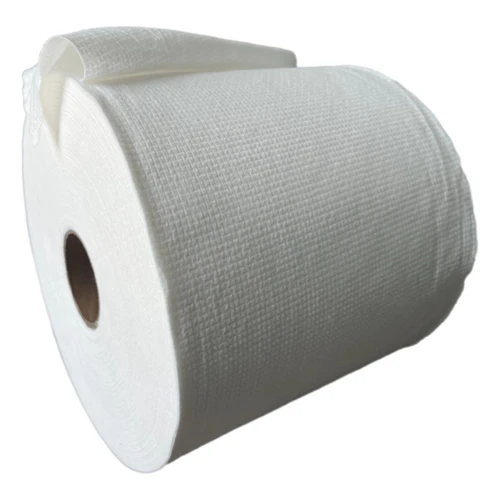
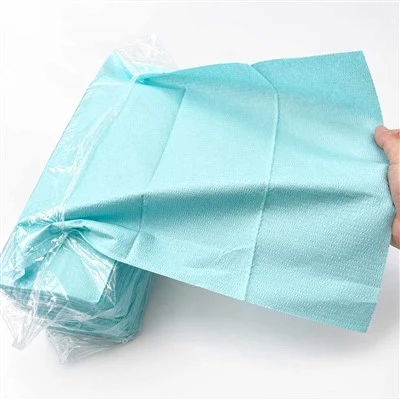
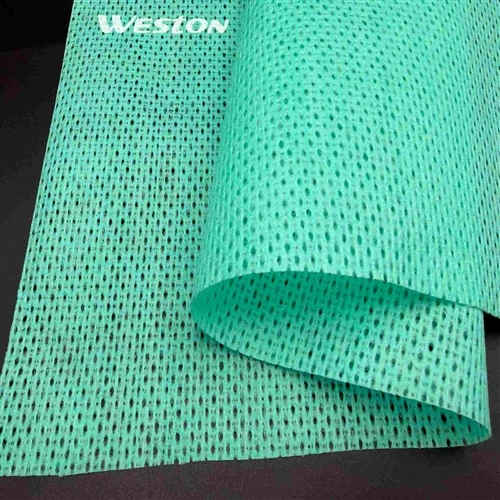
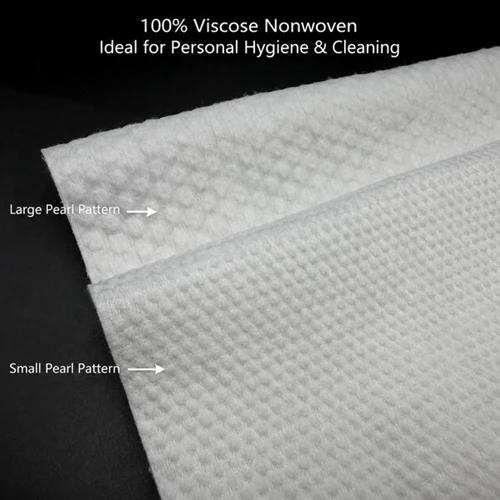
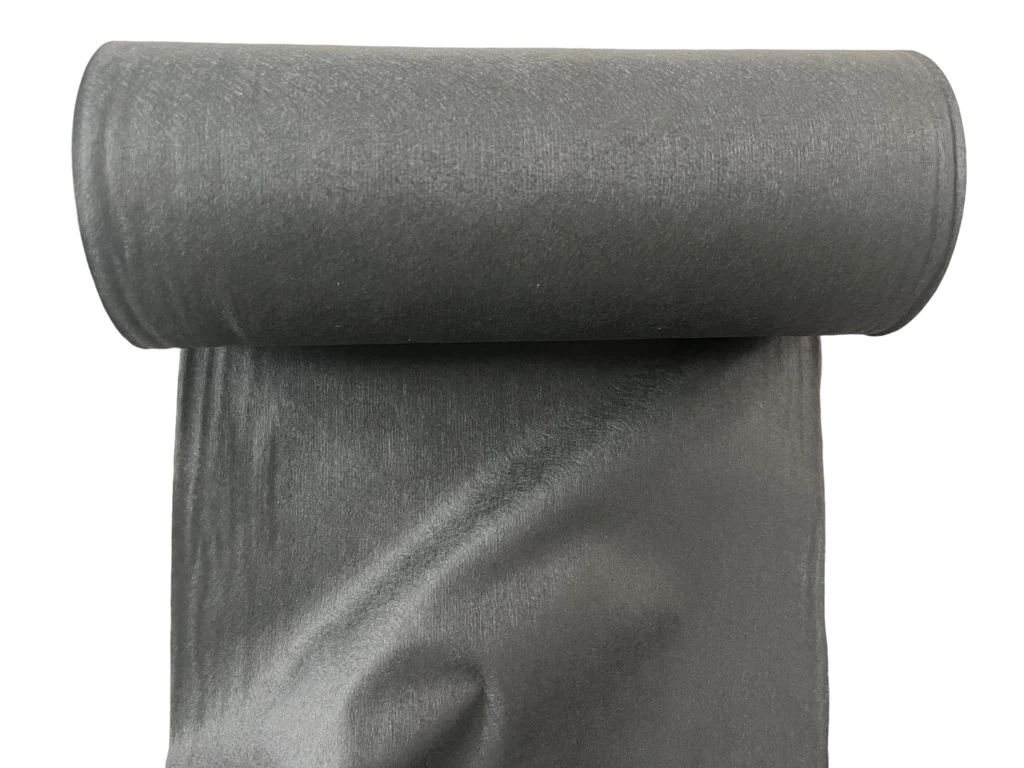
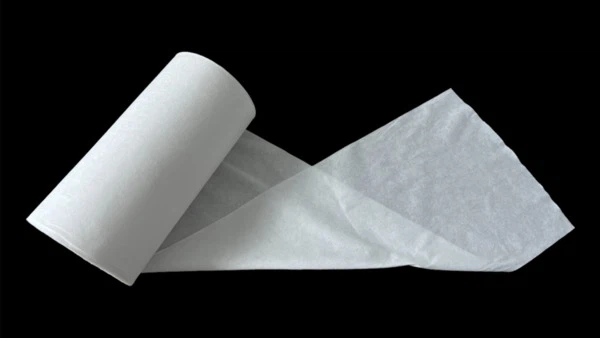
This is the bamboo fiber you see in household or personal care products. It's made from the outer stalks of bamboo (the tough, woody part pandas don't eat!). The processing is harsher: it uses chemicals (like sodium hydroxide) to break down the stalks into fibers, then spins or weaves them into materials. Examples include 100% Bamboo Fiber Towels (for absorbing water), Bamboo Charcoal Spunlace (a porous material for deep cleaning), and Bamboo Face Tissue Wipes (soft for skin). These are designed to clean or cover, not to be eaten-and we'll explain why later.
The line between the two is clear: if it's in a food package, it's food-grade. If it's in a towel or wipe package, it's industrial. Mixing them up is like trying to eat a cotton t-shirt because cotton is "natural"-it just doesn't work.
Can We Really Eat Bamboo Fiber? Let's Ask Science
Now, the big question: Is food-grade bamboo fiber safe to eat? The short answer is "yes-if it's processed correctly and you don't overdo it." Let's dive into the details:
First, what it's made of: Food-grade bamboo fiber is mostly cellulose (about 70-80%), plus small amounts of hemicellulose and lignin. Cellulose is a type of dietary fiber-meaning your body can't digest it directly (like the fiber in celery or apples). But that's a good thing! Dietary fiber acts like a "broom" in your gut: it pushes waste through your intestines, helps you feel full longer, and even keeps your blood sugar stable. Studies show that adding bamboo fiber to your diet can help with constipation and reduce the risk of high cholesterol-just like other high-fiber foods.
Second, safety checks: Not all food-grade bamboo fiber is equal. To be safe, it needs to be processed in a way that removes pesticides (bamboo is naturally resistant to bugs, so most farms use little to no pesticides) and heavy metals. It also can't have any added chemicals (like the ones used in industrial bamboo fiber). When done right, food-grade bamboo fiber is recognized as "generally safe" by food regulators-you'll often see it listed as "bamboo fiber" or "bamboo pulp" on ingredient labels.
But here's the catch: you can't eat raw bamboo fiber (or raw bamboo shoots, for that matter). Raw bamboo contains cyanogenic glycosides-a compound that releases tiny amounts of cyanide when eaten. That's why food-grade bamboo fiber is always cooked or processed to destroy these compounds. So if you find a bag of "raw bamboo fiber" at the store, don't eat it-that's not food-grade.
Which Bamboo Fibers Are NOT for Eating? (Hint: They're in Your Bathroom)
Now, let's talk about the bamboo fiber products you use every day-like Bamboo Fiber Sanitary Napkins, Bamboo Charcoal Spunlace, or Bamboo Face Tissue Wipes. These are daily-cleaning bamboo fiber, and they're definitely not safe to eat. Here's why:
Processing Chemicals: Industrial bamboo fiber uses harsh chemicals (like sodium hydroxide or sulfuric acid) to break down the woody bamboo stalks. These chemicals are rinsed off after processing, but tiny traces might remain-traces that are fine for wiping your face, but toxic if swallowed.
Fiber Structure: Industrial bamboo fiber is designed to be strong and absorbent, not digestible. The fibers are thick and tough-if you ate a piece of 100% Bamboo Fiber Towel, it would sit in your gut undigested, causing bloating, stomach pain, or even blockages. It's like eating a paper towel-same idea, just made from bamboo.
Added Ingredients: Many industrial bamboo products have extra stuff you don't want to eat. For example, Bamboo Face Tissue Wipes might have moisturizers or fragrances; Bamboo Charcoal Spunlace has activated charcoal (great for cleaning, but bad for eating in large amounts). These additives are safe for skin, but not for your digestive system.
Weston Nonwoven's industrial bamboo fiber products-like the ones mentioned above-are made for practical, everyday use (cleaning, personal care), not consumption. If you want to learn more about their safe, high-quality industrial bamboo products, you can request a free sample via info@westonmanufacturing.com.
Pros and Cons of Bamboo Fiber (for Eating & Everyday Use)
To be fair, let's weigh the good and bad of bamboo fiber-both the edible kind and the industrial kind-so you can make sense of it all:
Pros (for Edible Bamboo Fiber)
High Fiber, Low Calories: A tablespoon of food-grade bamboo fiber has about 5 grams of fiber and only 20 calories-perfect for adding fiber to meals without extra calories.
Eco-Friendly: Bamboo grows super fast (up to 3 feet a day!) and needs little water or pesticides. Unlike trees (which take years to regrow), bamboo can be harvested every 3-5 years, making it a sustainable fiber source.
Gentle on Digestion: Compared to some fibers (like wheat bran), bamboo fiber is softer, so it's less likely to irritate sensitive guts (like those with IBS).
Cons (for Edible Bamboo Fiber)
Overdoing It Causes Issues: Too much fiber-even bamboo fiber-can lead to bloating, gas, or diarrhea. Most adults only need 25-30 grams of fiber a day; adding more than that with bamboo fiber can throw things off.
Hard to Find Pure: Most food-grade bamboo fiber is mixed with other fibers (like wheat or oat) in products. Finding 100% pure bamboo fiber for eating is rare.
Pros (for Industrial Bamboo Fiber)
Soft and Durable: 100% Bamboo Fiber Towels are softer than cotton towels and last longer-they don't pill or fade as easily.
Antibacterial (Sort Of): Bamboo has a natural compound called "bamboo kun" that resists bacteria. Industrial bamboo products (like Bamboo Face Tissue Wipes) retain some of this, so they stay fresher longer than cotton products.
Absorbent: Bamboo fiber can absorb up to 3 times its weight in water-great for towels or wipes that need to soak up spills or moisture.
Cons (for Industrial Bamboo Fiber)
Not Biodegradable (Always): Some industrial bamboo products are blended with plastic fibers (to make them stronger). These blends won't break down in landfills-so check labels for "100% bamboo" if you care about sustainability.
Can Shrink: Like cotton, 100% Bamboo Fiber Towels might shrink a little in the first wash-so follow the care instructions!
Bamboo Fiber vs. Other Fibers: See the Difference
Wondering how bamboo fiber stacks up against other common fibers (edible and industrial)? Check out this comparison chart-you can download it to keep for reference:
How to Tell Safe Edible Bamboo Fiber from the Rest
If you ever see "bamboo fiber" and wonder, "Can I eat this?" here are 3 quick checks:
Check the Package: If it's in a food aisle (e.g., next to protein powders or cereal), it's probably food-grade. If it's in the home goods aisle (e.g., next to towels or wipes), it's industrial.
Read the Ingredients: Food-grade bamboo fiber will be listed as "bamboo fiber," "bamboo pulp," or "bamboo flour" in the ingredients. Industrial products won't have an ingredients list for eating-they'll have care instructions (e.g., "Machine wash cold").
Feel It: Food-grade bamboo fiber is a fine powder or soft flakes. Industrial bamboo fiber is a tough, woven material (like a towel) or a wet wipe-you can't crush it into powder.
At the end of the day, bamboo fiber is an awesome material-whether you're adding it to your yogurt (food-grade) or wiping your hands (industrial, like Bamboo Face Tissue Wipes). The key is knowing which one is which. If you're curious about industrial bamboo fiber products (and how they're made safely), Weston Nonwoven offers free samples-just reach out to info@westonmanufacturing.com to request one. And next time you see a bamboo towel, you'll know: it's great for drying dishes, but definitely not for snacking.