A Step-By-Step Mini Guide
Oil contamination is a common, often underestimated challenge in modern households. From kitchens where frying oils splatter to garages where motor oil drips onto concrete floors, improper handling of oil can lead to slippery surfaces, persistent stains, and even bacterial growth. Traditional cleaning tools, such as paper towels or cloth rags, often fail to fully contain the problem, leaving residues and requiring repeated cleaning efforts. Understanding the science behind oil absorption and implementing systematic cleaning methods can transform household maintenance into an efficient, safe, and environmentally responsible process.
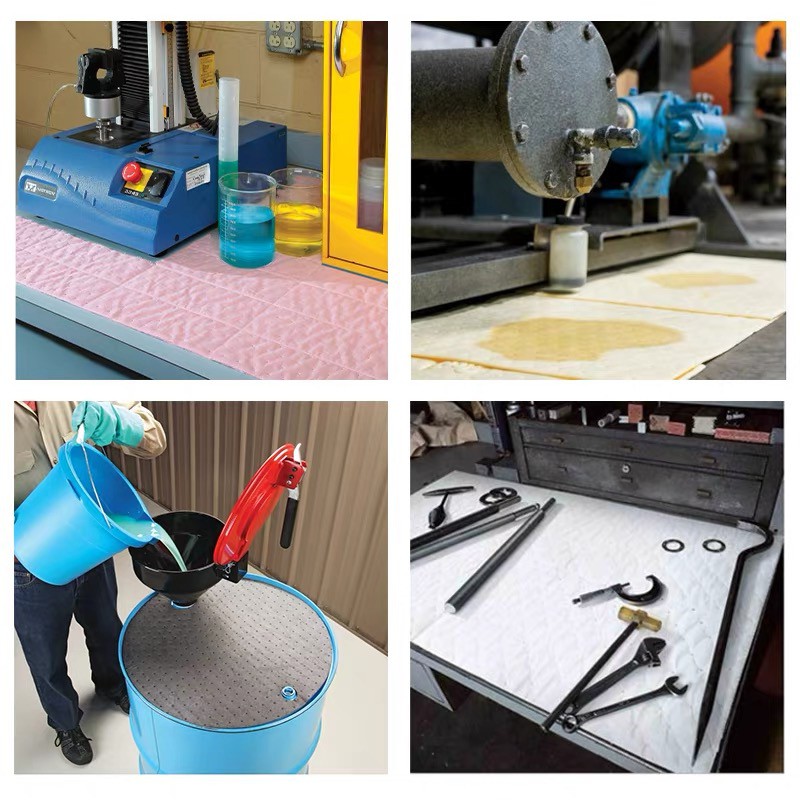
Understanding Industrial Oil Absorbing Sheets
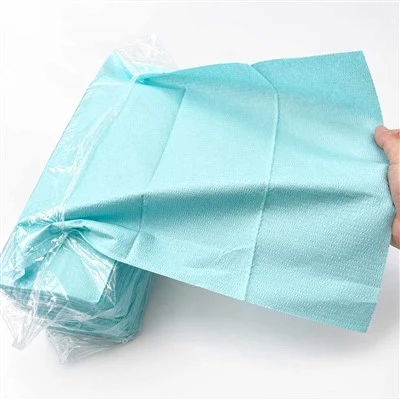
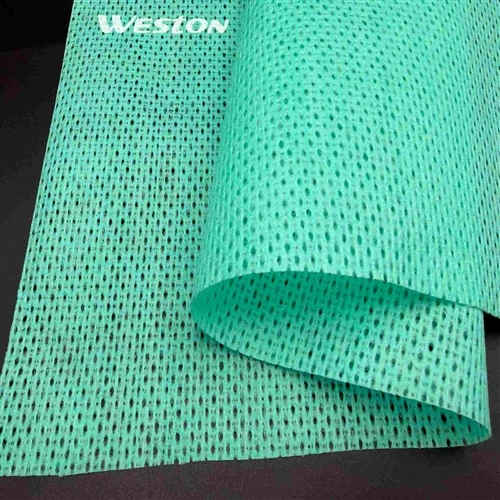
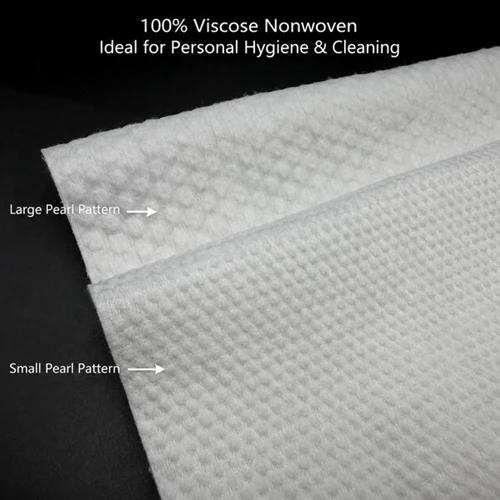
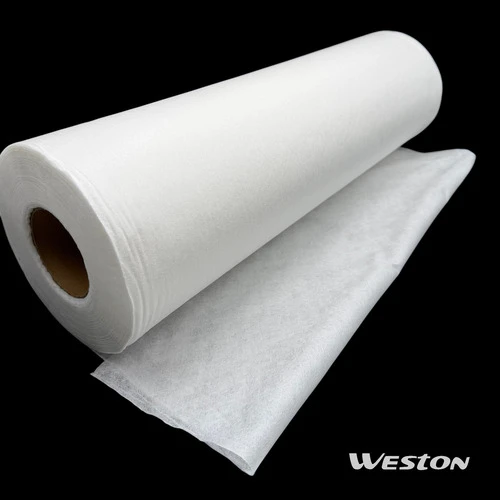
At the core of high-performance oil cleanup are Industrial Oil Absorbing Sheets, designed with advanced nonwoven materials such as spunlace and melt-blown structures. The science behind these sheets lies in their microfibrous network, which creates capillary channels that draw oil molecules into the fabric while preventing lateral spreading. Unlike ordinary paper towels, these sheets retain their structural integrity under pressure and can absorb several times their weight in oil.
Key material characteristics include:
High porosity and capillarity: Accelerates oil uptake.
Tear-resistant fibers: Prevent residue and allow controlled disposal.
Chemical neutrality: No added solvents or chemicals, safe for household use.
Weston Nonwoven offers a range of high-quality solutions, including Multi-Purpose Water & Oil Absorbent Pads, MSM Melt Blown Disposable Oil Wipes, and Industrial Oil Absorbing Sheets, providing reliable performance for both light household spills and heavier maintenance tasks. Free samples can be requested via info@westonmanufacturing.com.
Household Oil Contamination Scenarios
Understanding the different oil contamination scenarios is essential for selecting the correct absorbent solution:
Kitchen Spills: Frying oils and sauces create slippery, persistent stains on countertops and floors. Conventional wipes may smear oil rather than remove it.
Garage & Workshop: Motor oil, hydraulic fluid, and lubricants from tools and machinery pose slip hazards and difficult cleanup.
DIY & Handicraft Projects: Polishes, waxes, and light machine oils can accumulate on workbenches, tools, and flooring.
Each scenario presents unique challenges. Oil's low surface tension allows it to spread rapidly across smooth surfaces, and its hydrophobic nature prevents easy mixing with water-based cleaners. Using scientifically designed absorbent sheets ensures rapid oil capture without secondary contamination.
Step-by-Step Usage Guide
Step 1: Selecting the Right Sheet
The absorption efficiency of a sheet depends on its surface area, thickness, and fiber density. For small kitchen spills, a single layer of standard Industrial Oil Absorbing Sheets suffices. For heavier garage leaks, multi-layered arrangements or higher GSM pads like Multi-Purpose Water & Oil Absorbent Pads offer optimal performance.
Step 2: Preparing the Cleaning Area
Assess the spill zone for slip hazards and protective needs.
Pre-lining surfaces with disposable sheets can contain initial spread, reducing lateral oil migration.
Step 3: Application Technique
Position sheets directly over the oil spill.
Apply gentle, uniform pressure to maximize capillary absorption.
For viscous oils, allow sheets to sit for a few minutes to ensure full penetration.
Layering is effective but must be balanced: too many layers can slow absorption due to trapped air between sheets.
Step 4: Disposal and Post-Cleaning
Used sheets must be discarded responsibly. Unlike rags, which may retain oil and require washing with solvents, MSM Melt Blown Disposable Oil Wipes and similar products can be safely disposed of, reducing secondary contamination risks. Avoid flushing or washing used sheets into drains.
Step 5: Preventive Maintenance
Implement routine cleanup of small oil drips before accumulation.
Store absorbent sheets in accessible locations for rapid response.
Monitor commonly used surfaces for residual stains to prevent long-term buildup.
Visualizing Absorption Efficiency
To illustrate the performance of industrial absorbent sheets in household scenarios:
|
Surface Type |
Oil Type |
Absorption Time |
Retention Capacity |
|
Kitchen Countertop |
Vegetable Oil |
15–30 sec |
95% |
|
Garage Concrete |
Motor Oil |
1–2 min |
98% |
|
Workshop Table |
Machine Lubricant |
45 sec |
90% |
Figure 1: Comparative absorption efficiency of Industrial Oil Absorbing Sheets across household surfaces.

This demonstrates that proper sheet selection and application can achieve near-complete removal of oils in minimal time, preventing secondary contamination and reducing cleaning labor.
Science Behind Absorption
The absorption process relies on microcapillarity and surface interaction:
Capillary Action: Microfibers create channels that pull oil molecules into the sheet.
Hydrophobic Selectivity: Oil is preferentially absorbed over water, allowing simultaneous handling of greasy and slightly damp surfaces.
Structural Integrity: High-density fibers maintain sheet stability, preventing tearing and facilitating safe disposal.
Comparisons with traditional cleaning methods highlight that standard cloths or paper towels often push oil around rather than capture it, leading to repeated labor and potential slip hazards.
Broader Applications and Product Integration
While the focus is on household use, similar principles apply in small workshops, automotive maintenance, and DIY craft areas. Weston Nonwoven's product range-Multi-Purpose Water & Oil Absorbent Pads, MSM Melt Blown Disposable Oil Wipes, and Industrial Oil Absorbing Sheets-offers versatility. They are engineered for rapid oil uptake, minimal residue, and environmental safety. Their integration into household routines enhances efficiency while reducing cleanup stress.
Free samples are available upon request via info@westonmanufacturing.com, enabling users to test optimal configurations for their specific needs.
Oil spills, whether in kitchens or garages, pose both practical and safety challenges. Scientific understanding of absorbent materials, combined with systematic application, transforms oil cleanup from a laborious task into a controlled, efficient process. Selecting the right absorbent sheets, applying proper techniques, and maintaining preventive routines ensure clean, safe, and well-maintained household environments while minimizing environmental impact.