The Quick Guide to Using Degreasing Wipes on Your Engine
Keeping your engine bay clean is about more than just appearance. A layer of grime can hide leaks, trap heat, and speed up corrosion. For many, the thought of a full engine wash with hoses and buckets is a project they never start. That's where degreasing wipes come in-a targeted, no-mess solution for a smarter clean.
Why Wipes Are the Smart Choice for Engine Maintenance
You might wonder if a simple wipe can really handle tough engine grease. The effectiveness comes down to two parts: the formula and the fabric.
The Formula: A professional-grade degreasing formula is designed to quickly dissolve oils, grease, and adhesives without harsh scrubbing.
The Fabric: This is where engineering matters. For a wipe to be effective, it needs strength to scrub without tearing, high absorbency to soak up the dissolved grime, and a textured surface to agitate dirt. A weak, linty cloth will just push grease around and leave debris behind.
Using the right wipes turns a daunting chore into a manageable 15-minute task, perfect for regular touch-ups to prevent major buildup.

Getting Started: Prep Work is Key
Before you grab a wipe, a few minutes of preparation will ensure a safe and effective clean.
Cool Down: Always work on a completely cool engine. Cleaning a hot engine can be dangerous and cause cleaners to evaporate too quickly.
Disconnect the Battery (Recommended): For peace of mind, especially if cleaning near the alternator or fuse box, disconnect the negative battery terminal to prevent any electrical shorts.
Cover Sensitive Components: Use small plastic bags to loosely cover exposed electrical parts like the alternator, ignition coils, and the intake opening.
Remove Loose Debris: Brush away any loose leaves, sand, or dirt with a dry cloth or soft brush so you're not grinding grit into surfaces.
The Step-by-Step Wiping Process
Follow this simple, effective sequence to clean your engine bay methodically. The process is straightforward:
Step 1: Safety & Preparation is Everything
Cool Engine: Ensure your engine is COMPLETELY cool. Never work on a hot engine.
Park & Ventilate: Work in a well-ventilated area, like a garage with the door open or outdoors.
Disconnect the Battery (Optional but Recommended): For a thorough clean, disconnect the negative terminal to eliminate any risk of electrical shorts.
Protect Sensitive Components: Identify and loosely cover major electrical parts like the alternator, fuse box, and coil packs with plastic bags if you plan on cleaning nearby.
Step 2: The Initial Wipe-Down
Remove Loose Debris: Use your hands or a dry cloth to gently remove any loose leaves, twigs, or dirt from the engine bay.
Unfold Your Wipe: Most wipes are large and textured. Unfold it fully to maximize surface area.
Start with Top & Accessible Surfaces: Begin wiping the most visibly dirty, non-sensitive areas first-like the plastic engine cover, coolant reservoir, or strut towers. Use firm, consistent pressure.
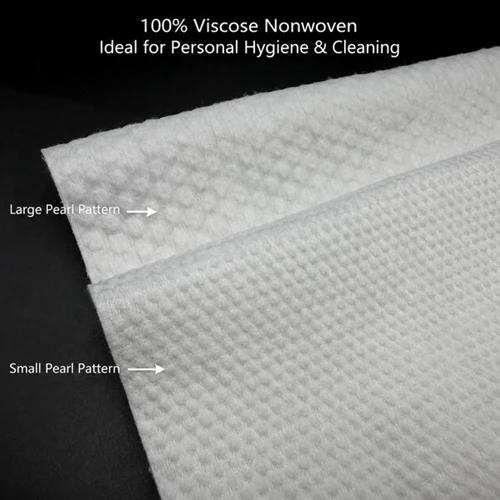
Use the Texture: The textured side of the wipe is for scrubbing. Use it to agitate and break down the grease. The smoother side is for wiping up the residue.
Step 3: Tackling Tough Grease & Grime
Let it Dwell: For thick grease, press the wipe onto the spot and hold it for 15-30 seconds. This allows the degreasing agents to penetrate.
Scrub Strategically: Fold the wipe to use a clean, saturated section. For stubborn areas, use a back-and-forth scrubbing motion. For caked-on dirt, use a dry stiff-bristled brush first to loosen it, then follow with the wipe.
Work Top to Bottom: Always clean from the highest point downward, so you're pulling dirt away from clean areas.
One and Done: Don't try to reuse a filthy wipe over a large area. As soon as one side is brown and saturated, fold it or grab a new one. Using a dirty wipe just spreads grease around.
Step 4: The Final Pass & Dry
Wipe Away Residue: Once you've broken down the grease, use a clean section of a wipe or a fresh wipe to go over the area again to pick up any remaining film.
Dry with Microfiber: This is a crucial step! Take a clean, dry microfiber towel and thoroughly buff the surfaces you cleaned. This removes any leftover moisture and cleaning residue, leaving a streak-free, satin finish.
Inspect: With the engine bay cleaner, take a moment to look for any leaks, cracks, or worn hoses you might have missed before.
Step 5: Clean Up & Dispose
Reconnect: If disconnected, reconnect your battery terminal.
Proper Disposal: Degreasing wipes are typically not flushable or biodegradable. Let the used wipes dry out a bit, then wrap them in newspaper or a plastic bag and dispose of them in your regular trash, following local regulations for chemical-soaked products.
Wash Your Hands: Even with gloves, it's good practice to wash up afterward.

The Science in the Wipe: What Makes It Work
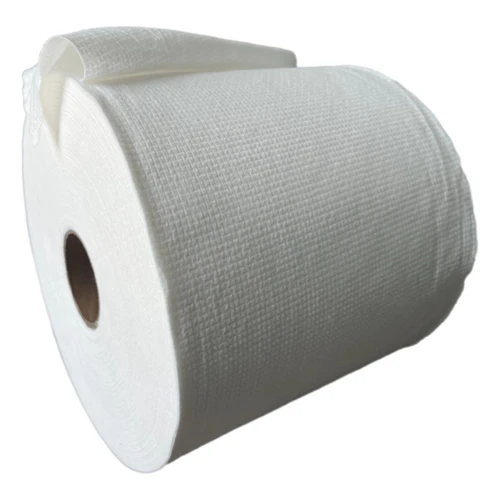
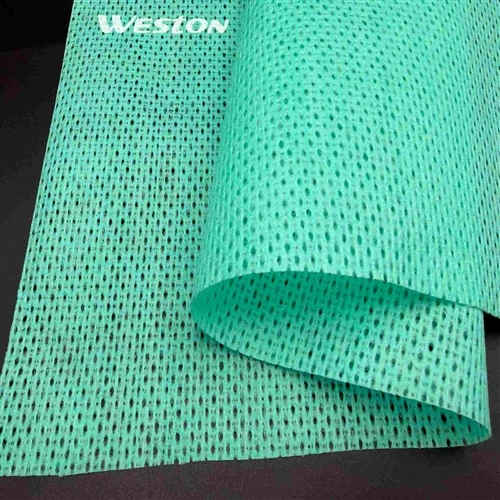
Understanding a bit about the wipe itself helps explain why quality matters. Heavy-duty wipes are often made from a durable material known as spunlace nonwoven fabric. A high-performance variant for industrial and automotive use is a blend of wood pulp and polyester. This combination creates a fabric that is:
Strong and Resistant to Pulling: It can withstand scrubbing pressure without ripping.
Highly Absorbent: The wood pulp fibers quickly draw in and trap oils and fluids.
Lint-Free: Unlike old rags, these engineered cloths leave minimal fibers behind, which is crucial for engine components.
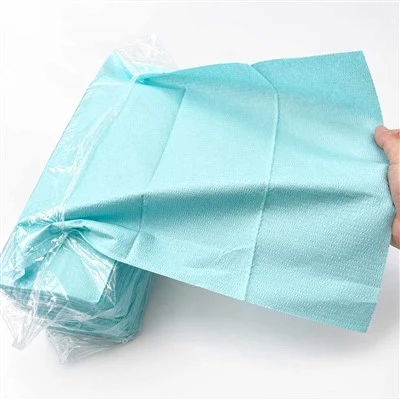
Some professional wipes come in an interfolded or "pop-up" format. This design allows you to pull one wipe at a time cleanly, reducing waste and keeping the next wipe ready to use.
The Right Tool for the Job
Regularly wiping down your engine bay with the right degreasing wipes is a proactive form of maintenance. It keeps your engine running cooler, makes spotting problems easier, and extends the life of under-hood components.
For this task, the material of the wipe is just as important as the cleaning solution it's soaked in. This is where specialized manufacturers make a difference. Companies like Weston Nonwoven focus exclusively on engineering advanced spunlace fabrics for demanding tasks. Their Interfold Wood Pulp Polyester Spunlace Wipes are a prime example, designed with the strength, absorbency, and low-lint performance required for industrial and automotive cleaning. Similarly, the basis for effective Heavy-Duty Degreasing Wipes often lies in this type of robust, engineered nonwoven material that can handle aggressive formulas and tough scrubbing.