Tips for Choosing Degreasing Wipes for Kitchen and Industrial Use
Grease may look simple, but it behaves very differently depending on where it comes from. The thin cooking oil film on a stove is not the same as the sticky residue on an exhaust hood, and neither resembles the thick lubricant used in machinery or automotive work. Because grease varies in structure and viscosity, choosing the right degreasing wipe becomes a practical science. The material, texture, absorbency, and chemical resistance all affect the outcome. Below is a clear guide on how to select wipes that work well for both kitchen and industrial environments.
1. Understand the Type of Grease You Are Dealing With
Kitchen grease mostly comes from vegetable oils, animal fats, and browned proteins. These substances oxidize when heated, forming sticky, semi-solid films that cling tightly to metal and ceramic surfaces.
Industrial grease, on the other hand, often contains mineral oils, synthetic lubricants, silicone compounds, and fine particles from machinery. These oils are more stable than cooking fats and usually require stronger physical lifting or chemical support to remove.
Knowing this difference helps you make better choices. Kitchen grease responds well to wipes with strong absorption and mild texture. Industrial grease needs wipes that handle abrasion, solvents, and repeated friction.
2. Match the Wipe Material to the Cleaning Task
Most degreasing wipes fall into a few material categories, and each behaves differently when absorbing oils.
Woodpulp-Based Blends
Woodpulp absorbs oils quickly because it has a natural porous structure. These wipes suit kitchen cleaning where speed and coverage matter. They also break down oil films evenly rather than just pushing them around.
Polyester or Woodpulp–Polyester Blends
Adding polyester increases strength. These blended nonwovens are strong when wet, resist tearing, and provide better performance on rough surfaces. They are common in workshops and mechanical settings.
Meltblown or SMS Nonwovens
These have very fine fibers that hold oils through capillary action. They work well for oil-heavy tasks, such as wiping machinery, assembling parts, or soaking up spills. Products like Heavy Duty Oil Absorbent Pads typically use this type of structure.
For kitchens, comfort and good absorption matter. For factories and garages, high strength, solvent resistance, and lint control matter more.
3. Check the Texture: Smooth, Embossed, or Scrub-Patterned
Texture strongly affects how well a wipe breaks down stubborn grease.
Smooth Texture
Suitable for daily kitchen use-light splatters, stainless steel, countertops, and glass panels. Smooth wipes glide easily and don't scratch.
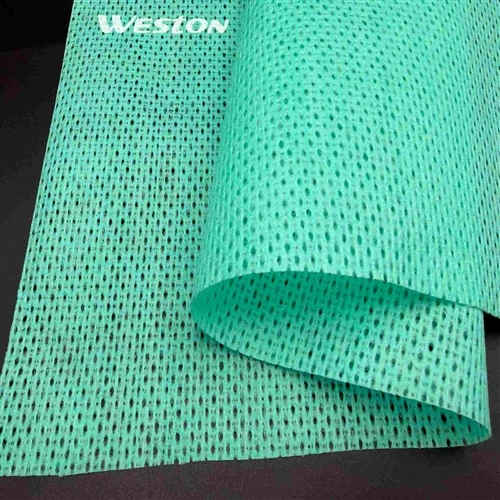
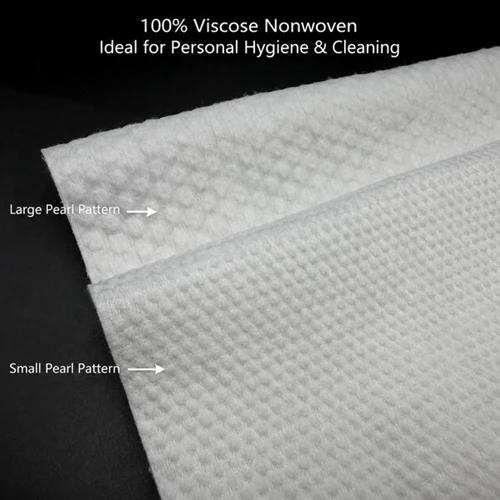
Embossed or Mesh Texture
Useful when grease has started to thicken or form uneven layers, such as behind a stove or inside a microwave. The micro-raised pattern increases friction without damaging surfaces.
Scrub-Textured Wipes
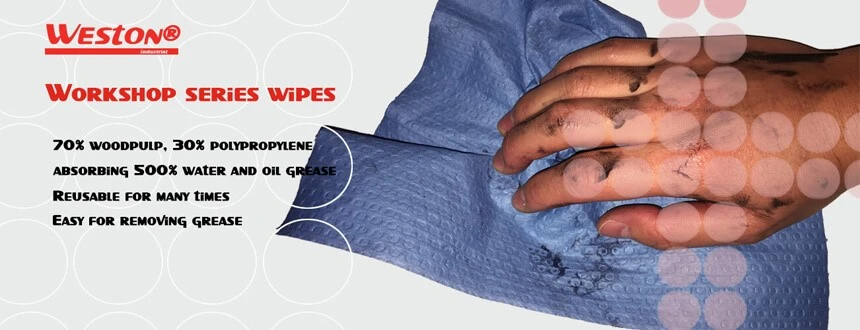
Best for industrial tasks. A patterned, slightly abrasive surface helps lift mechanical grease and metal dust. Workshop products-like Automotive Machinery Oil Cleaning Wipes-often use a stronger texture so users can scrub without turning the wipe into lint.
For kitchens, too much texture may leave streaks. For machinery, too little texture makes cleaning slow and tiring.
4. Consider the Strength of the Wipe
Grease removal involves repeated pressure. A suitable wipe should stay intact even when saturated with oil.
Dry Strength
Important for pulling wipes from rolls or dispensers without tearing.
Wet Strength
More important, especially for degreasing. Weak wipes shred when soaked with oil or when used on hot surfaces.
Solvent Resistance
In industrial settings, wipes may contact alcohols, degreasers, or alkaline cleaners. Polyester blends hold up well under these chemicals, while pure cellulose may weaken.
Kitchens generally don't require high solvent resistance, but durability still matters for baked-on stains.

5. Choose the Right Format and Size
The format affects convenience and efficiency.
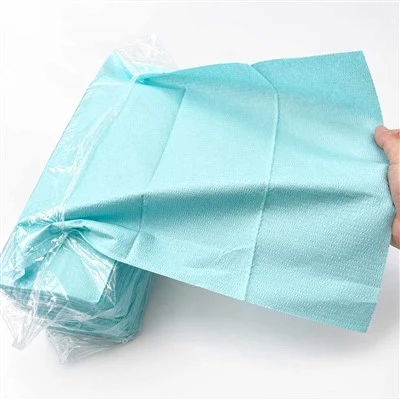
Interfold Wipes
Good for kitchens-it keeps sheets clean and easy to pull with one hand.
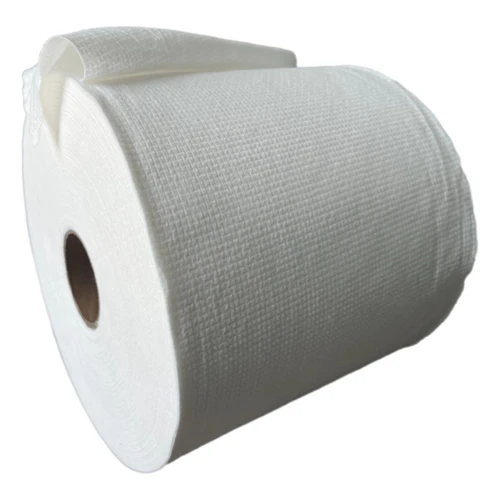
Roll Wipes
Suitable for workshops, garages, and production lines. Users can tear off large sheets for heavy tasks.
Bucket or Canister Wipes
Pre-moistened wipes help speed up routine cleanings, like food-preparation surfaces or tools in a workshop.
Large sheets reduce waste when cleaning machinery or de-greasing wide surfaces. Smaller sheets are enough for cookware and countertop cleaning.
6. Evaluate Food-Safety and Hygiene Requirements
If wipes are used near food, especially uncooked ingredients, they must follow general hygiene standards. This means:
No excessive lint
Safe contact with kitchen surfaces
No lingering chemical scent
Non-scratch behavior on coated pans and stainless steel
Industrial wipes do not need food-contact suitability but do require reliable quality control because lint and fiber shedding interfere with machines.

7. Don't Overlook Efficiency and Cost-per-Use
A low-cost wipe that smears oil or requires several sheets to get the job done costs more in the long run. It's better to evaluate the "cost per completed cleaning task" rather than the cost of the pack.
For kitchens, a fast-absorbing sheet saves time and reduces detergent use.
For factories, a strong, heavy-gsm wipe minimizes downtime and prevents re-cleaning.
Buying in rolls or bulk cartons helps industrial users control usage. Kitchens may prefer compact household-sized packs for easier storage.
8. A Simple Matching Guide
Kitchen Tasks
Light oil film → Smooth woodpulp blend
Sticky stovetop grease → Embossed or mesh texture
Oven and grill residue → Slightly textured, durable wipe
Industrial Tasks
Oil spills on machinery → Meltblown structure or Heavy Duty Oil Absorbent Pads
Automotive lubricants → Strong polyester blend, textured wipes
Mechanical parts → Lint-low wipes like Automotive Machinery Oil Cleaning Wipes
9. A Note on Reliable Material Sources
For long-term users such as restaurants, service teams, and industrial buyers, stable material quality matters more than individual pack pricing. Nonwovens made through water-jet entanglement (spunlace) offer balanced strength, softness, and absorption. Manufacturers like Weston Nonwoven, which specialize in spunlace materials, often provide consistent grammage, reliable embossing, and options for private labeling. The specific products matter less than the reliability of the material supply.