Maintaining a cleanroom is a critical task that requires precision, the right tools, and a clear understanding of best practices. Cleanrooms are specialized environments where even the tiniest contaminants can compromise processes and products. Whether you're working in pharmaceuticals, biotechnology, or electronics, having a robust mopping protocol is essential. Here's how to mop a cleanroom effectively, ensuring you're equipped with the best practices and tools, including Lint-Free Cleanroom Wipes and Bulk Order Disposable Cleanroom Nonwoven Material.
Understanding Cleanroom Standards
Before diving into the mopping process, it's crucial to understand the standards that govern cleanrooms. Cleanrooms are classified based on the number and size of particles allowed in the air. The higher the cleanroom class, the stricter the cleanliness requirements. This means every cleaning task, including mopping, must adhere to the specific protocols associated with that class.

The Importance of Proper Mopping Techniques
Mopping may seem straightforward, but in a cleanroom, it's a nuanced task. Proper mopping techniques help:
Prevent Contamination: Using the right materials, like Lint-Free Cleanroom Wipes, minimizes the risk of introducing fibers or particulates into the environment.
Ensure Surface Integrity: Mopping with cleanroom-specific tools protects sensitive surfaces from scratches or damage.
Enhance Operational Efficiency: A well-mopped cleanroom promotes a safer and more efficient workspace, allowing for better productivity.
Essential Tools for Mopping a Cleanroom
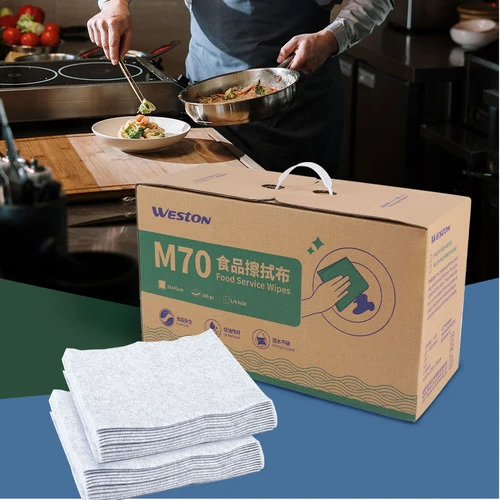
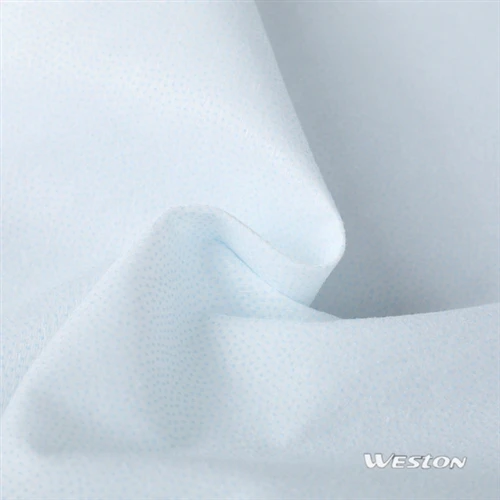
Lint-Free Cleanroom Wipes: These wipes are an invaluable asset in your cleaning arsenal. Designed to leave no residue, they are perfect for final surface touches and ensuring that even the smallest particles are wiped away.
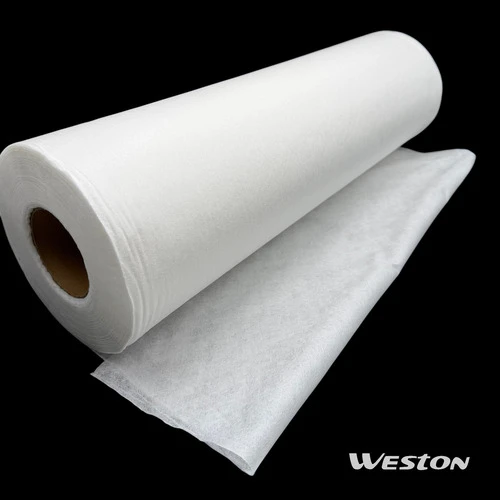
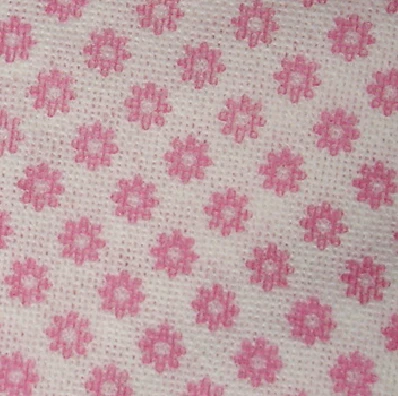
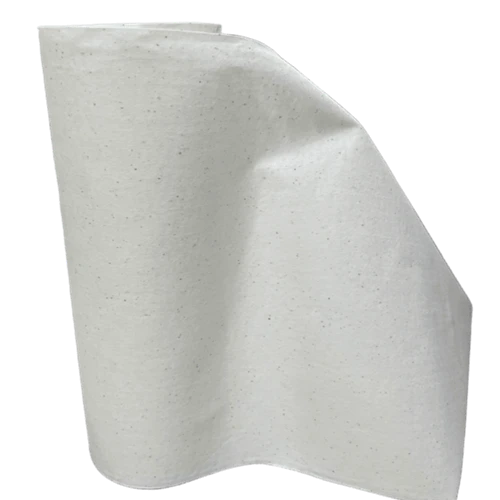
Bulk Order Disposable Cleanroom Nonwoven Material: For larger areas, using disposable nonwoven materials is a game-changer. These materials absorb liquids effectively while maintaining structural integrity, making them ideal for heavy-duty cleaning tasks.
Mop Heads and Handles: Select mop heads that are compatible with your cleanroom's requirements. Microfiber mop heads are often preferred for their ability to trap dust and debris without releasing it back into the air.
Cleaning Solutions: Always use approved cleaning solutions that align with cleanroom standards. These should be free of VOCs and other harmful chemicals that could compromise the cleanroom environment.
Step-by-Step Mopping Procedure
Step 1: Preparation
Before you start mopping, ensure that the cleanroom is properly prepared:
Gather Supplies: Assemble your Lint-Free Cleanroom Wipes, disposable mop heads, cleaning solution, and a clean mop.
Remove Obstacles: Clear the area of any equipment or items that may obstruct your cleaning path.
Step 2: Initial Dusting
Begin by dusting surfaces with Lint-Free Cleanroom Wipes. This initial step helps remove loose particles that could otherwise be spread during mopping.
Step 3: Mopping Technique
Wet the Mop: Dampen the mop head with the approved cleaning solution. Avoid soaking it, as excess liquid can lead to pooling and contamination.
Mop in Sections: Divide the cleanroom into manageable sections. Mop one section at a time, using a figure-eight motion to cover the entire area effectively.
Change Mop Heads Regularly: For larger cleanrooms, consider using Bulk Order Disposable Cleanroom Nonwoven Material. Change mop heads frequently to ensure maximum cleanliness.
Step 4: Final Wipe Down
Once mopping is complete, use Lint-Free Cleanroom Wipes for a final wipe down of critical surfaces. This ensures that any remaining residues or particles are removed, maintaining the cleanroom's integrity.

Pros and Cons of Different Mopping Approaches
Pros
Efficiency: Utilizing Disposable Cleanroom Nonwoven Material allows for quick clean-up without compromising cleanliness.
Flexibility: The use of Lint-Free Cleanroom Wipes provides versatility in addressing both large and small areas effectively.
Cost-Effective: Bulk ordering reduces costs per unit, making it easier to maintain an adequate supply for continuous cleaning.
Cons
Waste Management: Using disposable materials can create waste, which requires proper disposal methods to maintain environmental standards.
Initial Costs: Although bulk ordering saves money in the long run, the initial investment in quality cleaning supplies can be higher than traditional options.
Training Required: Staff must be trained in the proper mopping techniques to avoid common pitfalls that lead to contamination.
The Role of Cleanroom Critical Task Wipers
In addition to traditional mopping tools, Cleanroom Critical Task Wipers are essential for specialized cleaning tasks. These wipers are designed for high-performance cleaning, making them perfect for handling sensitive equipment or surfaces. Their construction allows for better absorption and particle retention, ensuring that critical areas remain uncontaminated.
Best Practices for Cleanroom Maintenance
To maintain a cleanroom effectively, consider the following best practices:
Regular Training: Ensure that all staff members are trained in proper cleaning techniques and understand the importance of maintaining cleanroom standards.
Routine Inspections: Conduct regular inspections to identify any potential contamination risks or areas that require additional cleaning.
Documentation: Keep detailed records of cleaning schedules, materials used, and inspections to ensure accountability and compliance with cleanroom standards.
For inquiries and further information, please reach out to us at info@westonmanufacturing.com. By prioritizing effective mopping techniques and utilizing the right products, you can create a cleanroom environment that fosters productivity and innovation. Choose Weston Nonwoven for all your cleanroom needs!