How Many Maternity Pads Do You Need After Delivery?
For new mothers, preparing for postpartum recovery often involves countless questions, and one of the most practical is figuring out the right number of Maternity Pads After Birth to stock. There's no universal answer-usage depends on physical recovery, delivery type, and lochia (postpartum bleeding) patterns. This guide breaks down the facts to help you prepare wisely, with no hype or misleading claims.

Myth vs. Fact: Maternity Pads After Birth Misconceptions
Many new mothers overstock Maternity Pads After Birth out of anxiety, while others underprepare and face last-minute rushes. Let's clarify the pros and cons of common approaches. Overstocking leads to waste-lochia volume drops dramatically after the first week, and unused pads may expire or lose hygiene. Understocking causes stress, especially when mobility is limited postpartum. The sweet spot lies in understanding your body's natural recovery timeline, not arbitrary estimates.
Another myth is that regular sanitary pads work as well as Maternity Pads After Birth. Regular pads are thinner, narrower, and not designed for lochia's clots and heavy flow, increasing leak risks and discomfort. Maternity Pads After Birth offer longer length, wider coverage, and higher absorbency, but choosing overly thick options can cause sweating and skin irritation-balance is key.
Key Factors Affecting Maternity Pads After Birth Usage
Your Maternity Pads After Birth needs are shaped by three core factors. First, delivery type: Vaginal delivery triggers stronger uterine contractions, leading to heavier initial lochia but faster tapering. Cesarean delivery involves surgical cleaning, so bleeding starts lighter but may last slightly longer due to slower uterine contraction.
Second, uterine recovery: Mothers who breastfeed often have quicker uterine involution (shrinking), reducing lochia duration. Those with uterine atony (weak contractions) may experience prolonged bleeding, requiring more pads. Third, individual physiology: Multiparous mothers (second or subsequent births) may have weaker uterine tone, leading to slightly heavier flow than first-time mothers.
Lochia Stages: Calculating Maternity Pads After Birth Needs
Lochia progresses through three stages, each dictating Maternity Pads After Birth quantity.
Stage 1 (Days 1-4: Lochia Rubra): Bright red with clots, heavy flow. Expect to change pads every 1-2 hours during the day-20-30 high-absorbency Maternity Pads After Birth are sufficient for this stage.
Stage 2 (Days 5-10: Lochia Serosa): Pinkish-brown, thinner flow. Changes decrease to 3-4 times daily, requiring 15-20 medium-absorbency pads.
Stage 3 (Days 11-6 Weeks: Lochia Alba): Yellowish-white, light flow. Use 10-15 light-absorbency pads or panty liners, transitioning to liners as flow fades.
Baseline totals: Vaginal delivery needs 45-65 pads + liners; cesarean delivery needs 35-55 pads + liners. Add 10 extra pads for unexpected heavy days-buying in small batches avoids waste, as flow varies individually.
Choosing Maternity Pads After Birth: What Matters Most
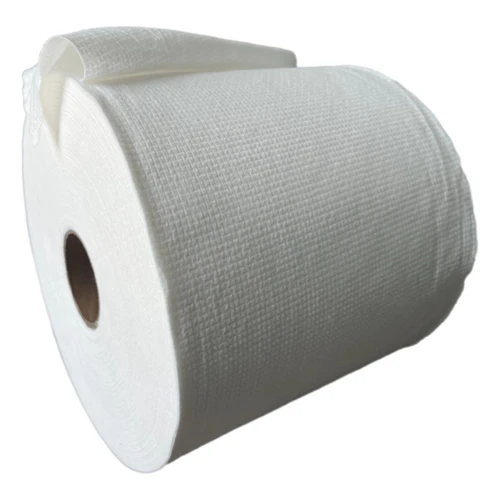
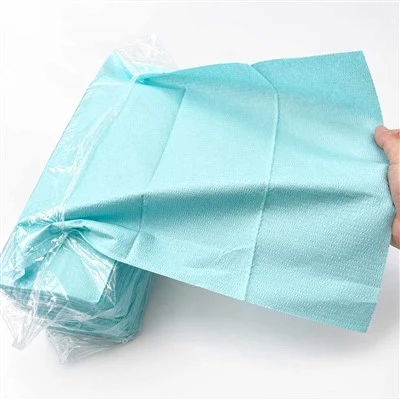
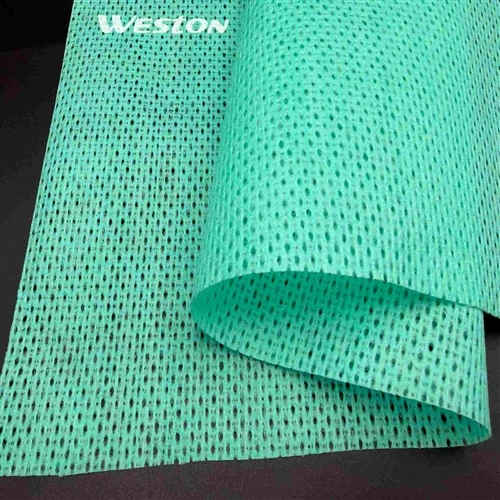
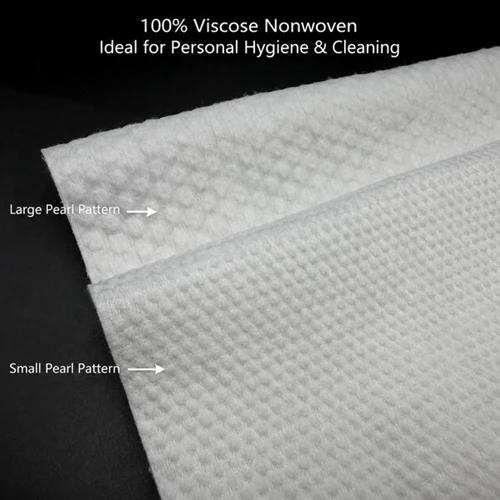
Prioritize quality over quantity when selecting Maternity Pads After Birth. Opt for soft, breathable nonwoven materials to avoid irritating sensitive postpartum skin or surgical incisions. High-absorbency cores prevent leaks, while leak-proof sides add security-critical for nighttime use.
Avoid scented or chemically treated pads, as they can mask infection signs (foul-smelling lochia) and cause irritation. Weston Nonwoven specializes in crafting Maternity Pads After Birth tailored to each lochia stage, balancing absorbency and comfort for postpartum recovery. For a free sample, reach out at info@westonmanufacturing.com.

When to Seek Help: Beyond Maternity Pads After Birth Usage
Excessive bleeding isn't just a "pad shortage" issue-it may signal complications. Red flags include soaking one pad per hour for 2+ hours, clots larger than a golf ball, foul-smelling lochia, or bleeding that increases after tapering. These signs could indicate uterine subinvolution, retained placenta fragments, or infection, requiring immediate medical attention.
Normal lochia lasts 4-6 weeks with a total volume of 250-500mL. Tracking Maternity Pads After Birth changes helps monitor recovery-consistent heavy flow or abnormal color/odor demands a check-up. Trust your body's cues: adjusting pad stock based on real flow is smarter than following rigid estimates.
Preparing for postpartum recovery means focusing on informed choices, not panic buying. By understanding lochia stages, factors affecting flow, and how to choose the right Maternity Pads After Birth, you can navigate this phase with confidence. Remember, recovery is flexible-your pad needs will shift, and being attuned to your body is the best guide.