The Critical Role of Proper Microfiber Care
Microfiber cloths have revolutionized glass cleaning, particularly for delicate surfaces like eyeglasses, camera lenses, and automotive windshields. But did you know improper cleaning can degrade their performance? For Weston Nonwoven's Microfiber Eyeglass Cleaning Cloths, the science of maintenance is as precise as their design. Crafted with spunlace technology-a process that interlocks 80% polyester and 20% viscose microfibers-these cloths rely on fiber integrity to deliver lint-free, scratch-resistant cleaning. Here's how to preserve their efficacy while ensuring optimal lens care.
The Anatomy of a High-Performance Microfiber Cloth
Weston's Microfiber Eyeglass Cleaning Cloths are engineered at the microscale:
Fiber Diameter: 1–5 microns (1/20th the width of human hair), creating a massive surface area for electrostatic dust capture.
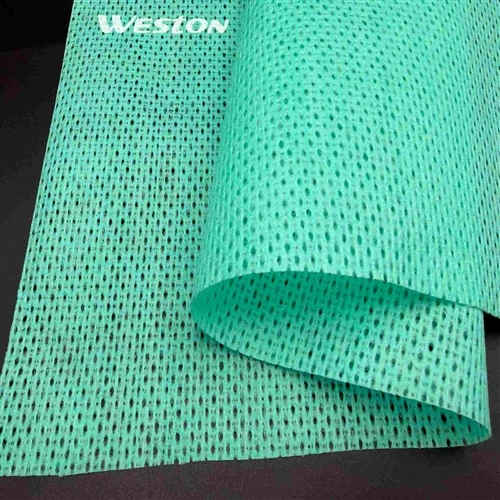
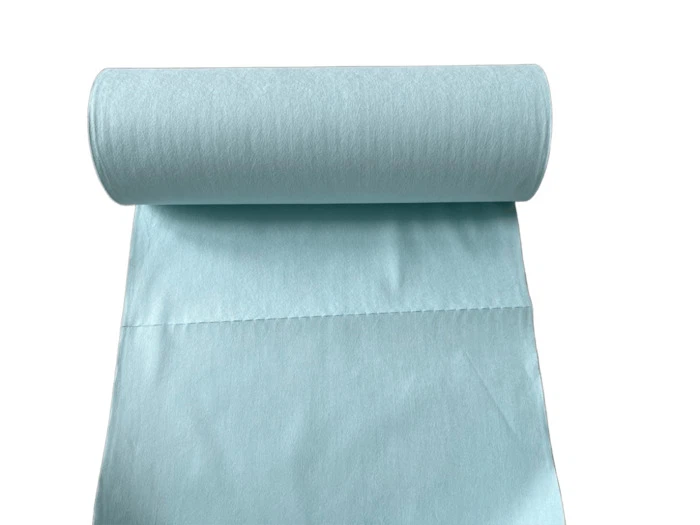
Spunlace Bonding: High-pressure water jets entangle fibers without chemicals, forming a durable, breathable matrix that resists fraying-critical for Lens Cleaning Wipes For Glasses that must glide smoothly over anti-reflective coatings.
Dual-Action Design: A smooth weave for smudge removal and a slightly textured side for stubborn residues like sunscreen or oil films.
Why This Matters: Traditional cloths with loose fibers or chemical adhesives can scratch lenses or leave residue. Weston's precision engineering ensures every wipe is both gentle and effective.
Step-by-Step Cleaning Protocol for Longevity
1. Frequency: Less Is More
Daily Use: Wipe lenses with a dry cloth for dust and fingerprints-no liquid needed.
Deep Cleaning: Limit to once every 5–7 uses to avoid overwashing. Even premium cloths like Weston's Microfiber Eyeglass Cleaning Cloths lose 10–15% absorbency after 20 washes due to fiber fatigue.
2. Pre-Cleaning Preparation
Shake, Don't Rub: Before washing, shake the cloth outdoors to dislodge embedded particles (e.g., sand, pollen). Rubbing can push debris into fibers, causing abrasion during washing.
Spot Treatment for Stubborn Stains: For oil or makeup residue, gently dab with a drop of mild dish soap (pH-neutral) before rinsing-never scrub.
3. Washing Techniques: Protect the Fiber Matrix
Machine Wash Method
Cycle: Cold water, gentle cycle (max 30°C) to prevent fiber shrinkage.
Detergent: Use 5–10ml of liquid detergent (no powders, bleaches, or fabric softeners). These chemicals coat fibers, reducing electrostatic charge and absorbency.
Companions: Wash alone or with other microfiber cloths (e.g., Weston's Microfiber Car Cloths)-avoid mixing with terry towels or lint-producing fabrics.
Hand Wash Method
Fill a basin with lukewarm water and detergent.
Swirl the cloth gently for 30 seconds-do not twist or wring, which damages fiber alignment.
Rinse thoroughly until water runs clear.
4. Drying: Preserve Fiber Elasticity
Air Dry Only: Lay flat on a clean towel or hang indoors away from direct sunlight.
Avoid Heat: Tumble drying at high temperatures melts polyester fibers, creating hard nodules that scratch glass surfaces.
Common Mistakes to Avoid
1. Overusing Chemical Cleaners
Many assume more detergent equals cleaner cloths, but:
Harsh Chemicals: Alcohol-based cleaners or ammonia degrade viscose fibers, making cloths stiff and less effective over time.
Weston's Solution: Use our Lens Cleaning Wipes For Glasses-pre-moistened with a 99% water + 1% plant-based surfactant formula-for chemical-free cleaning.
2. Ignoring Fiber Wear
After 20 washes, even the best microfibers lose 20–25% of their dust-trapping capacity. Signs it's time to retire your cloth:
Reduced absorbency (takes longer to wipe up spills).
Visible lint or pilling (a sign of fiber breakage).
Streaking on glass, even with proper technique.
3. Using for Multiple Surfaces
While Weston's Microfiber Car Cloths are designed for automotive glass, using the same cloth for both car windshields and eyeglasses risks cross-contamination:
Dual-Kit Strategy: Assign dedicated cloths for delicate surfaces (eyeglasses) and heavy-duty tasks (cars) to prevent abrasive particles from transferring.
The Science Behind Weston's Durability
Weston's spunlace technology offers two key advantages for longevity:
Fiber Interlock Strength: The water-jet bonding process creates a 3D network of fibers that resists unraveling, unlike stitched or glued microfiber products.
Layered Structure: The outer layer (polyester) handles abrasion, while the inner layer (viscose) retains moisture and softness-ideal for Microfiber Eyeglass Cleaning Cloths that must balance durability and gentleness.
Independent Testing: In 100-cycle wash tests, Weston cloths maintained 85% of their initial dust capture efficiency, outperforming non-spunlace microfibers (which dropped to 60%).
Advanced Care for Professional Users
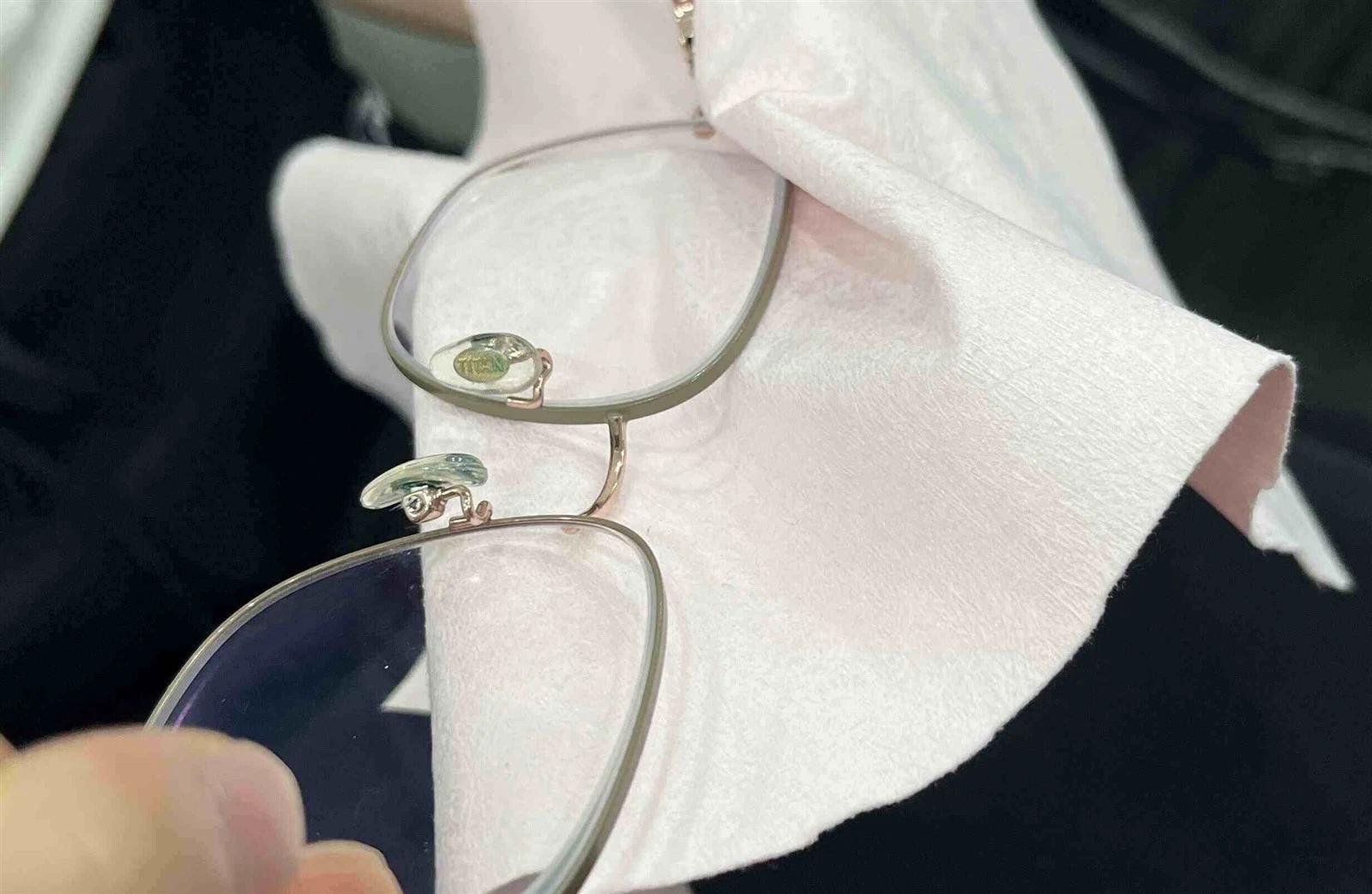
For optometrists, photographers, or automotive detailers who rely on precision cleaning:
Ultrasonic Cleaning: For deep hygiene (e.g., after cleaning multiple clients' glasses), use an ultrasonic cleaner with distilled water and mild detergent. This removes 99% of microbes and residues without fiber damage.
Storage Tips: Keep cloths in breathable linen pouches (avoid plastic bags, which trap moisture and promote mildew).
Frequently Asked Questions
Q: Can I use vinegar to clean microfiber cloths?
A: Not recommended. Vinegar's acidity can break down viscose fibers over time. Stick to pH-neutral detergents.
Q: How do I remove stubborn streaks from the cloth itself?
A: Soak in a solution of 1 part baking soda to 10 parts water for 1 hour, then rinse thoroughly. This neutralizes residue from previous cleans.
Q: Are Weston's Microfiber Car Cloths safe for tinted windows?
A: Yes. The spunlace weave is non-abrasive and leaves no adhesive residue, making them ideal for all automotive glass types.
Q: Can I donate old microfiber cloths?
A: Yes! Once they're no longer suitable for lenses, repurpose them for general cleaning (e.g., household dusting). Weston offers free recycling for commercial clients-contact us for details.
Extend Performance, Reduce Waste: The Weston Promise
Proper care of your microfiber cloths isn't just about performance-it's about sustainability. By following these guidelines, you'll:
Maximize Value: Each Weston Microfiber Eyeglass Cleaning Cloth stays effective for 20+ washes, reducing replacement frequency.
Minimize Environmental Impact: Spunlace cloths are 100% recyclable, unlike many nonwoven products that end up in landfills.
For lenses that demand precision and a planet that demands responsibility, Weston Nonwoven's microfiber solutions offer the perfect balance of science and sustainability. Clean smarter, not harder-and extend the life of your cleaning tools with care rooted in material innovation.
For bulk orders or technical specifications, contact info@westonmanufacturing.com.
Weston Nonwoven: Engineered for Clarity, Crafted for Longevity.