An Expert's Guide to Smart Selection
Did you know that the right cleaning cloth can reduce your cleaning time by up to 40% while delivering superior results?
Choosing the wrong cleaning cloth often leads to frustration, wasted products, and surfaces that never truly shine. Many people grab the cheapest option at the store, resulting in more time spent scrubbing and replacing ineffective materials.
The truth is that not all cleaning cloths perform equally. Factors like material composition, GSM (grams per square meter), weave pattern, and size significantly impact cleaning effectiveness. Whether you're tackling household chores, detailing your car, or managing commercial cleaning operations, selecting the right cloth makes all the difference.
This comprehensive guide breaks down everything you need to know about selecting the perfect cleaning cloth rolls. We'll explore microfiber technology, essential quality indicators, size considerations, and how to match specific cloths to different cleaning tasks. Additionally, we'll examine cost-effectiveness and sustainability options to help you make informed purchasing decisions.
Let's clear away the confusion and discover how to select cleaning cloth rolls that deliver professional results every time.

Understanding Microfiber Cloth Rolls
Microfiber cloth rolls have transformed the cleaning industry thanks to their exceptional performance and versatility. Unlike traditional materials, these specialized fabrics offer superior cleaning capabilities due to their unique composition and structure.
What Microfiber Is Made Of
Microfiber is a synthetic material primarily composed of a blend of polyester and polyamide (nylon). The term "microfiber" refers to any fiber with a thickness of less than one denier, measuring approximately 1/100th the diameter of a human hair. During manufacturing, these synthetic fibers are fused together using heat, with polyester typically forming the core structure and polyamide filling the gaps.
High-quality microfiber contains split fibers created during the manufacturing process. Under a microscope, these split fibers resemble asterisks or stars, creating millions of tiny spaces that effectively trap dirt, dust, and liquids. A typical microfiber towel contains approximately 200,000 fibers per square inch, providing an exceptional cleaning surface.
The ratio of polyester to polyamide varies among products, often expressed as 70/30, 75/25, or 80/20 blends. Generally, polyester acts as the scrubbing component, while polyamide provides absorbency. A higher polyamide content typically indicates better absorbency but comes at a higher cost since polyamide is more expensive than polyester.
Why Microfiber Is Better Than Cotton
Microfiber offers numerous advantages over traditional cotton cleaning cloths. First and foremost, microfiber is highly absorbent-capable of holding up to seven times its weight in water. This remarkable absorbency makes it effective at picking up and removing soil from surfaces.
Beyond absorbency, microfiber demonstrates superior cleaning performance. Studies show that microfiber materials reduce bacteria on surfaces by 99%, while conventional materials only reduce bacteria by 33%. This effectiveness comes from microfiber's positively charged structure, which naturally attracts negatively charged dirt and grease.
Microfiber also outperforms cotton in durability. When properly maintained, microfiber can withstand up to 1,000 washes before losing effectiveness, substantially outlasting cotton alternatives. Furthermore, microfiber uses 95% less water and chemicals than cotton mops and cloths, making it both economical and environmentally friendly.
Unlike cotton, quality microfiber leaves no lint behind and dries significantly faster. Its unique structure allows it to clean on a microscopic level, making it ideal for streak-free cleaning of glass, electronics, and delicate surfaces.
Types of Microfiber Cloth Rolls Available
Microfiber cloth rolls come in several varieties designed for specific cleaning tasks:
All-Purpose Rolls: General cleaning cloths suitable for most household and commercial applications, typically available in standard 12"×12" perforated sheets.
Glass & Lens Cloths: Lint-free microfiber specifically designed for streak-free cleaning of glass surfaces and optical equipment.
Automotive Detailing Rolls: Higher-grade microfiber with specialized weaves for buffing, waxing, drying, and polishing vehicles.
Specialty Rolls: Including waffle weave patterns for enhanced absorption and disposable options for one-time use.
Most microfiber rolls feature perforated sheets for easy tearing, with counts typically ranging from 30 to 100 sheets per roll. Many manufacturers offer different GSM (grams per square meter) weights and blend ratios to match specific cleaning requirements. High-quality rolls can be reused hundreds of times, making them cost-effective alternatives to disposable products.
Key Factors to Evaluate Before Buying
Selecting the perfect microfiber cleaning cloth requires evaluating several key technical specifications that directly impact performance. Understanding these factors helps you avoid wasting money on inferior products and ensures you get the cleaning results you need.
GSM and What It Means for Performance
GSM (grams per square meter) measures the density and weight of microfiber fabric. Essentially, this number indicates how much material is packed into each square meter of cloth, affecting both absorbency and cleaning effectiveness.
Different GSM ratings serve specific cleaning purposes:
30-50 GSM: Lightweight cloths ideal for electronics, screens, and light dusting. These dry quickly but have limited absorbency.
55-80 GSM: Perfect for general household cleaning. These strike an optimal balance between thickness and effectiveness for daily use.
90-120 GSM: Heavy-duty options for industrial settings, kitchen cleaning, and tough jobs. These withstand rigorous, frequent use.
100-200 GSM: Premium cloths for automotive detailing and delicate surfaces. The plush texture provides maximum gentleness for sensitive finishes.
Remember that higher GSM isn't always better. Cloths that are too thick (200+ GSM) can become clogged with debris during routine cleaning, ultimately leaving lint behind.

Blend Ratio of Polyester and Polyamide
The blend ratio represents the proportion of polyester to polyamide (nylon) in microfiber cloth. This ratio significantly influences cleaning performance and cloth characteristics.
Most quality microfiber features either an 80/20 or 70/30 polyester-to-polyamide ratio. In this formulation, polyester primarily provides scrubbing and cleaning power, while polyamide delivers absorbency. Because polyamide costs more than polyester, cloths with higher polyamide content typically command premium prices.
A 70/30 cloth will generally be softer and more absorbent than an 80/20 cloth manufactured under similar quality standards. For delicate surfaces like automotive paint, professional detailers often prefer 70/30 blends as they are less likely to create micro-scratches under intense lighting.
Beware, however, that some manufacturers mislabel their products' actual blend ratios. Low-quality cloths marketed as 80/20 might contain 100% polyester or a 95/5 ratio. Purchasing from reputable sources remains your best protection against this deceptive practice.
Edge Stitching and Durability
Edge finishing significantly impacts both cloth performance and longevity. Four primary edge types dominate the market:
Overlock Stitch: The most common edge type, created with polyester thread sewn around the cloth edge hundreds of times. While durable and fraying-resistant, these edges can potentially scratch delicate surfaces.
Edge Banding/Piping: Uses a fabric strip wrapped around the edge. Standard polyester banding can scratch, whereas microfiber banding offers better absorbency and gentleness.
Edgeless: Created through ultrasonic cutting that seals the edge without stitching. These are preferred by professional detailers as they minimize the risk of surface damage.
Hidden Edge: A design that tucks the edge inside the towel, providing edgeless benefits with enhanced durability, particularly suitable for heavier cloths.
Weave Types and Their Use Cases
Microfiber cloths come in various weave patterns, each engineered for specific cleaning scenarios:
Terry: The most common weave featuring a medium to low pile on both sides. Versatile, absorbent, and effective at collecting dirt while leaving minimal lint.
Waffle Weave: Distinguished by a grid pattern of ridges that scoop up liquid. Outstanding absorbency makes these ideal for drying applications.
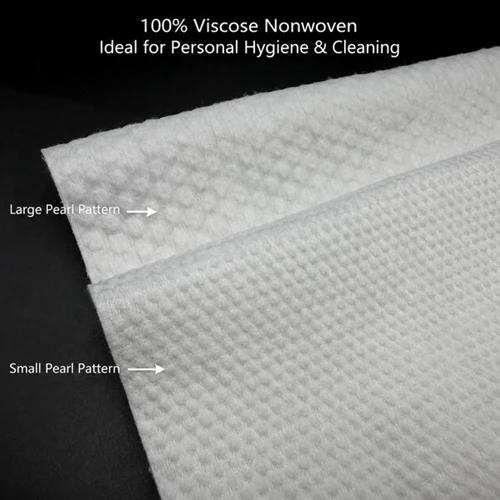
Closed Loop/Pearl Weave: Features a tight weave with low pile. More aggressive than plush alternatives yet still soft, perfect for polishing, wax removal, and glass cleaning.
Suede/Optical: Extremely smooth with minimal pile. Ideal for cleaning eyeglasses, lenses, and screens, removing smudges without scratching delicate surfaces.
The right combination of GSM, blend ratio, edge type, and weave pattern will deliver optimal results for your specific cleaning needs.
Choosing the Right Roll Size and Format
The dimensions and format of your cleaning cloth rolls directly impact efficiency and convenience. Beyond material quality, the physical characteristics of your cleaning rolls determine how effectively they integrate into your routine.
Standard Sizes and Customization Options
Most microfiber cloth rolls come in standard dimensions, with 12"x12" squares being the most common size for general cleaning tasks. This universal size works well for most household applications, providing adequate coverage without excessive waste. Other standard pre-cut dimensions include:
10"x10" for compact jobs and precision cleaning.
11"x12" for comfortable handling with a proper grip.
16"x16" for larger surface areas.
For specialized cleaning needs, customization provides valuable flexibility. Industrial settings often require tailored dimensions-narrower rolls for machinery crevices or wider sheets for expansive surfaces. Quality manufacturers offer custom width and length options that align precisely with specific requirements.

Pre-Cut vs. Tearable Rolls
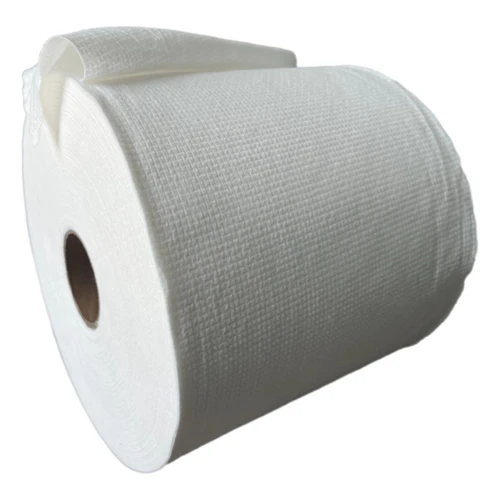
Tearable rolls combine the convenience of paper towels with the effectiveness of microfiber cloths. These rolls feature precision-pressed perforations that allow clean hand-tearing without scissors, making them ideal for fast-paced environments.
Pre-cut rolls typically contain between 30 and 100 sheets per roll, with common options including 50 and 75 sheets. The benefit of this format lies in its convenience-simply tear a sheet from the roll whenever needed, eliminating the need for cutting tools or measuring.
Many tearable rolls are designed to fit standard paper towel dispensers, making them an excellent upgrade path from disposable options. Despite their convenience, these cloths maintain reusability-most can be washed and reused up to 50 times before disposal.
Storage and Dispensing Considerations
How you store and dispense your cleaning cloths affects both efficiency and cloth lifespan. Consider these format options based on your environment:
Roll Dispensers: Accommodate various cloth widths, from narrow 14cm mini rolls to industrial 40cm formats.
Wall-Mounted Systems: Save counter space in busy areas.
Floor Dispensers: Provide mobility, with some featuring wheels for transportation between cleaning zones.
Dispenser Boxes: Have easy-tear openings to minimize handling and contamination.
For environments with variable humidity, moisture-resistant packaging protects cloth integrity. Proper storage also prevents cross-contamination between cleaning tasks and preserves the cloth's electrostatic properties.
The roll format allows for compact storage even for larger quantities-an important factor for both home users with limited space and commercial operations managing inventory.
Matching Cloth Rolls to Cleaning Tasks
Different cleaning scenarios demand specialized cleaning cloth solutions. Selecting the appropriate microfiber roll for specific tasks ensures optimal results with minimal effort.
For Household and Kitchen Use
The kitchen and bathroom require cloths that can handle varied cleaning challenges. For kitchen surfaces, choose microfiber with a tight zig-zag weave designed to capture smaller food particles, crumbs, and grease. Bathroom-specific cloths feature a looser zig-zag pattern ideal for removing hair, soap scum, oils, and lotions. Additionally, color-coding your household cloths prevents cross-contamination-a practice many professional cleaning services use to maintain hygiene standards.
For Automotive Detailing
Car detailing demands higher-quality microfiber than typical household cleaning. Professional detailers prefer plush, ultra-soft cloths with ample fiber depth to trap dust, dirt, and excess wax or sealants. These specialized automotive cloths feature open spaces in the fibers, making them exceptionally effective at holding contaminants away from delicate painted surfaces. The superior softness, absorbency, and durability of quality automotive microfiber makes it unmatched by traditional cleaning fabrics.
For Industrial and Commercial Cleaning
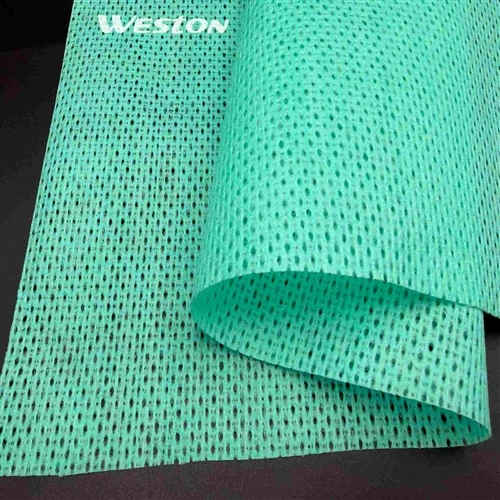
Industrial environments present intense cleaning challenges that require robust solutions. Heavy-duty cleaning cloths can withstand exposure to solvents, degreasers, and other aggressive cleaning agents. In manufacturing settings, choose woodpulp/PP blend cloths with 75 GSM density for tackling grease, oil, and metal shavings without leaving lint or residue. These industrial-grade cloths absorb fully, last longer, and effectively clean oily parts or surfaces in tight spaces.
For Glass, Electronics, and Delicate Surfaces
Delicate surfaces demand specialized cloths with specific weave patterns. For glass and mirrors, flat-weave microfiber cloths deliver streak-free results. These specialized cloths typically feature a tight, compressed weave perfect for removing fingerprints and smudges from windows, mirrors, and electronic screens. First, dampen a microfiber cloth and then follow with a dry lint-free cloth for professional-level results. This two-step cleaning method works far better than spray-and-wipe techniques, as it effectively removes dirt rather than merely spreading it around.
Cost, Value, and Sustainability
Beyond performance and features, smart consumers evaluate cleaning cloth purchases based on financial value and environmental impact. Making informed decisions requires analyzing both short-term costs and long-term benefits.
How to Assess Long-Term Value
Initial purchase price only tells part of the story when evaluating cleaning cloth options. The true measure of value lies in cost-per-use calculations. A thorough analysis reveals that microfiber cloths initially appear more expensive but deliver exceptional long-term savings. Although paper towels cost merely 0.01−0.01-0.01−0.02 per sheet compared to 0.06−0.06-0.06−0.10 for a microfiber cloth, the reusability factor changes everything. A single microfiber cloth typically lasts through 300-500 uses, resulting in annual savings of 70-85% for facilities switching from disposable options. First-year savings can reach $2,930 compared to paper towels.
Reusable vs. Disposable Options
The reusability factor fundamentally transforms the economics of cleaning. Disposable paper towels create ongoing expenses due to constant replacement needs. In contrast, high-quality microfiber cloth rolls can withstand hundreds of wash cycles. Yet reusable options aren't without challenges-laundry requirements consume water and energy, which might offset benefits in water-scarce regions. For facilities lacking on-site laundry, third-party services can cost approximately $0.60 per cloth. Hence, organizations must calculate their specific usage patterns, environmental conditions, and infrastructure before making this decision.
Eco-Friendly Materials and Certifications
Increasingly, sustainability serves as a key procurement factor and brand responsibility. Although microfiber is petroleum-based, its lifecycle environmental impact often proves superior to alternatives. Throughout its lifespan, a single microfiber cloth typically replaces up to 1,500 paper towels. Eco-conscious buyers should look for established certifications that verify environmental claims. Green Seal identifies products meeting rigorous health and environmental criteria. Alternatively, UL ECOLOGO certification indicates that products have undergone scientific testing across multiple categories, including materials and manufacturing processes.
Conclusion
Selecting the right cleaning cloth rolls ultimately determines your cleaning efficiency and results. The perfect cloth can significantly reduce cleaning time while delivering superior performance for your specific needs. Therefore, understanding the technical aspects becomes crucial before making any purchase decision.
Quality indicators such as GSM, blend ratios, edge finishing, and weave patterns directly impact cleaning effectiveness. Remember that higher GSM isn't always better-match the density to your specific task instead. Similarly, the polyester-to-polyamide ratio affects both performance and durability, making 70/30 or 80/20 blends ideal for most applications.
Roll size and format considerations also play a vital role in convenience and efficiency. Pre-perforated rolls offer paper towel-like convenience with microfiber performance, while proper storage systems protect your investment and maintain cloth effectiveness over time.
Task-specific selection ensures optimal results across different cleaning scenarios. Color-coded systems prevent cross-contamination between areas while specialized weaves address unique challenges, from kitchen grease to automotive detailing. Glass and electronics demand particular attention with flat-weave options that deliver streak-free results.
Cost analysis reveals the true value of quality microfiber cloths. Though initially more expensive than disposable alternatives, reusable microfiber delivers exceptional long-term savings through hundreds of wash cycles. Additionally, this sustainability advantage extends beyond financial benefits to significant environmental impact reduction.
Smart buyers look beyond the initial price tag to evaluate cost-per-use and environmental considerations. Certifications like Green Seal and ECOLOGO provide trustworthy verification of environmental claims, helping you make informed decisions that align with both cleaning goals and sustainability values.
Armed with this comprehensive knowledge, you can confidently select cleaning cloth rolls that deliver professional results while maximizing efficiency, value, and environmental responsibility. The right choice makes all the difference between endless scrubbing and effortless cleaning success.The right choice makes all the difference between endless scrubbing and effortless cleaning success. For marine applications, consider Weston Nonwoven's Marine Oil Absorbent Pads, featuring disposable microfiber spunlace for effective oil spill management.