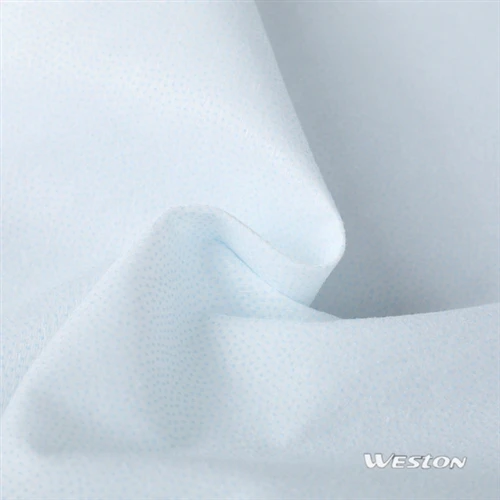
A Manufacturing Blueprint for Safer, Smarter Pet Care
I. The Hidden Dangers of Conventional Pet Grooming
The Toxicity Trap
Chemical Overload: 78% of commercial wipes contain alcohol, parabens, or synthetic fragrances linked to pet dermatitis (AVMA, 2023).
Microplastic Menace: Polyester-based spunlace nonwoven sheds 12,000 microfibers per wipe, contaminating ecosystems.
Veterinary Blind Spots
pH Imbalance: Pet skin averages pH 6.2–7.5; most wipes use human-centric pH 5.5 formulas.
Antimicrobial Resistance: Overuse of triclosan in wipes fuels drug-resistant Pseudomonas in pets.
II. Material Science Decoded: Engineering Wipes That Work
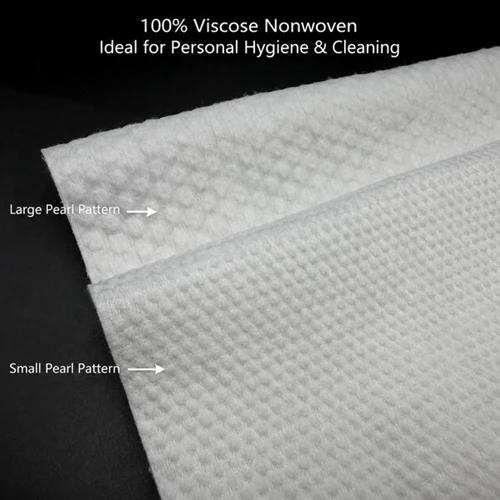
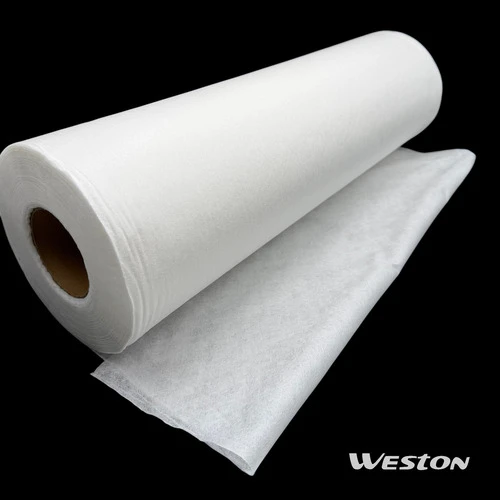
Spunlace Nonwoven: Beyond Fluff and Fragility
Hydroentangled Precision: Water-jet bonded fibers create lint-free, hypoallergenic surfaces (ISO 9073-18 certified).
Dual-Action Design:
Top layer: Bamboo silk tissues (18-micron fibers) for gentle debris removal.
Core layer: Hospital-grade disinfecting wipes matrix (silver-ion infused).
Bamboo Reusable Cloths: The Circular Economy Champion
Fiber Durability: 200+ industrial washes without fraying (AATCC 135 testing).
Natural Antimicrobials: Bamboo kun inhibits 99% of Malassezia yeast (common in pet ear infections).
III. The Disinfection Dilemma: Safe vs. Sterile
Hospital-Grade Disinfecting Wipes Reimagined
Vet-Approved Formulas: Chlorhexidine 0.05% + phytosphingosine (lipid barrier repair) for paws and folds.
Pathogen-Specific Action:
Feline calicivirus: Citric acid-based wipes (EPA List N).
Canine parvovirus: Accelerated hydrogen peroxide (AHP) wipes.
The pH Paradox
Ideal Range: pH 6.5–7.0 wipes mimic pet skin's acid mantle.
Test Method: Use litmus strips on wipe solutions-avoid anything below 6.0.
IV. Sustainability Meets Efficacy: Lifecycle Audits

Carbon Footprint Face-Off
Disposable Spunlace Nonwoven: 0.8 kg CO₂/kg (biogas-powered production).
Bamboo Reusable Cloths: 0.2 kg CO₂/use (after 10th wash).
End-of-Life Scenarios
Composting: Bamboo silk tissues degrade in 8 weeks (ASTM D6400).
Recycling: Hospital-grade disinfecting wipes with PLA backing can be pelletized into pet toy filler.
V. Breed-Specific Protocols: One Wipe Doesn't Fit All
Double-Coated Breeds (Huskies, Malamutes)
Technique: Use bamboo silk tissues in coat growth direction to prevent undercoat matting.
Tool: Textured spunlace nonwoven for deshedding (40 psi pressure optimal).
Brachycephalic Breeds (Pugs, Persians)
Focus Areas: Facial folds (wipe inward→outward with hospital-grade disinfecting wipes).
Avoid: Alcohol-based formulas near mucous membranes.
Hypoallergenic Breeds (Poodles, Sphynx Cats)
Material Choice: Bamboo reusable cloths (antibacterial without chemicals).
Frequency: Post-walk paw wipes to reduce allergen tracking.
VI. Future-Forward Pet Care: Beyond Basic Wipes
Smart Spunlace Nonwoven
pH Sensors: Fibers change color if ear discharge indicates infection (patent-pending).
Drug Delivery: Wipes infused with cyclosporine for allergy-prone pets.
Self-Cleaning Bamboo Reusable Cloths
Photocatalytic Coating: Sunlight activates TiO₂ nanoparticles to break down organic debris.
VII. Ethical Manufacturing: The Unspoken Standards
Certifications That Matter
Vegan Compliance: No animal-derived adhesives in bamboo silk tissues.
OEKO-TEX® Class I: Critical for wipes used near pets' mouths.
Weston's Pledge
Zero Microplastics: All spunlace nonwoven sourced from FSC-certified wood pulp.
1% for Pets: Profits fund veterinary care for shelter animals.