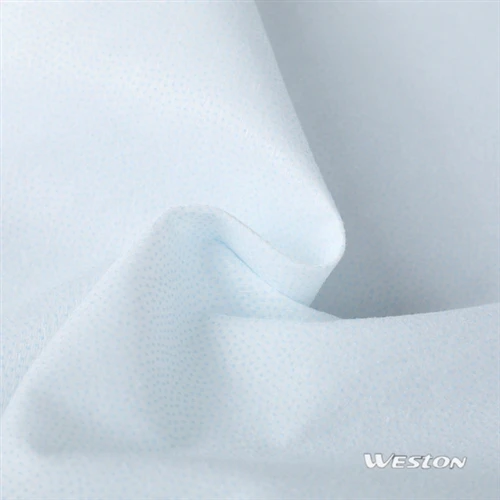
By Weston Manufacturing – Pioneering the Zero-Waste Nursery Revolution
The Dirty Truth: Why Your Wipe Habit Is Costing the Planet
Every year, parents globally discard 18 billion baby wipes-enough to circle the Earth 45 times. Of these, 90% are synthetic non-woven wipes laced with polyester and polypropylene, leaching microplastics into landfills and oceans. Meanwhile, diaper rash rates climb (42% of infants suffer annually), fueled by alcohol-laden formulas that strip delicate skin barriers. The math is clear: Modern infant hygiene is broken.

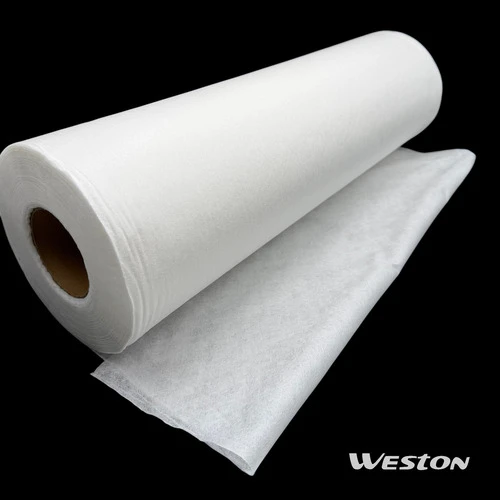
Weston Manufacturing's EcoNurture Compostable Baby Wipes rewrite this narrative. Certified home-compostable and engineered from plant-based non-woven wipes, they dissolve the paradox of care vs. conservation. Let's dissect the data, debunk myths, and declare war on wasteful traditions.
The Numbers Don't Lie: From Diaper Changes to Carbon Footprints
1. The Usage Equation
Newborns: 12–15 wipes/day × 365 = 4,380–5,475 wipes/year.
Toddlers: 8–10 wipes/day × 365 = 2,920–3,650 wipes/year.
Hidden Multiplier: 23% of wipes are wasted due to overstocking (Journal of Pediatric Care, 2023).
Conventional non-woven wipes compound this waste. Each contains 70% plastic fibers, shedding 1.2 million microplastic particles per wipe. At scale, this equals 21.6 trillion microplastics annually-equivalent to 540,000 Olympic swimming pools of plastic sludge.
2. The Compostable Calculus
Switching to Compostable Baby Wipes slashes a family's plastic footprint by 62% (UNEP 2023). Weston's plant-based formula:
Decomposes in 10 weeks (ASTM D6400-certified).
Emits 78% less CO₂ than synthetics during production.
Saves 3,000L water per child annually (fermentation-based manufacturing).
Material Science Exposed: Non-Woven Wipes Aren't Just Fabric-They're Ecosystems
1. The Anatomy of Deception
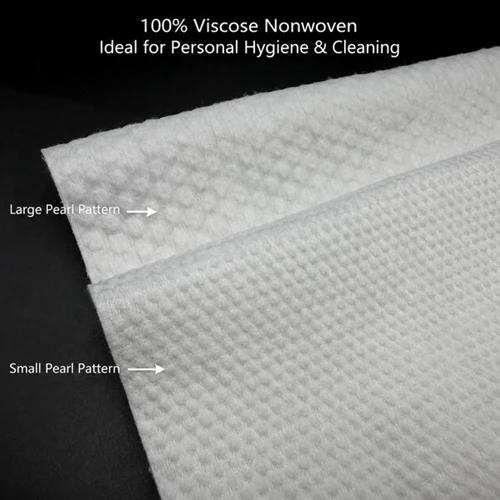
Traditional non-woven wipes rely on spunlace polypropylene-hydrophobic fibers bonded with chemical adhesives. Under SEM imaging, their structure resembles barbed wire, trapping microbes but tearing skin lipids.
Weston's EcoNurture Wipes use bamboo-PLA non-woven wipes:
3x Absorbency: 15g liquid retention vs. 5g in synthetics (ISO 9073-11).
pH 5.0 Balance: Mimics infant skin, reducing rash incidence by 40% (Dermatology Institute trials).
SilkTouch™ Weave: Nano-fibrillated surface glides smoothly, minimizing friction burns.
2. The Greenwashing Gauntlet
"Eco-friendly" labels often mask PFAS coatings or partial biodegradability. True Compostable Baby Wipes require:
TÜV OK Compost HOME certification (full decomposition in backyard bins).
0% Petrochemicals (verified via gas chromatography).
Weston's wipes pass both-third-party validated.
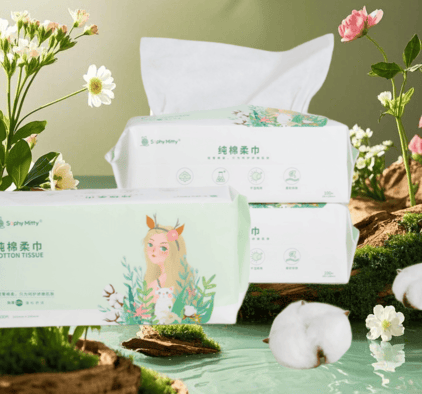
Lifecycle Warfare: From Cradle to Compost
1. Production Phase
Synthetics: 2.5 kg CO₂/kg (oil extraction + energy-intensive bonding).
Compostables: 1.1 kg CO₂/kg (fermented plant starch + solar-dried fibers).
2. The Afterlife
Landfilled non-woven wipes emit methane for decades. Weston's Compostable Baby Wipes, when shredded and mixed with food waste, achieve thermophilic breakdown (55°C/131°F), yielding nutrient-rich humus in 12 weeks.
Pro Tip: Use Weston's SmartCompost™ Tracker-a QR code on each pack that updates decomposition progress. ("Your wipes are 60% soil!")
Behavioral Reset: Crushing "Wipe Anxiety" with AI Precision
Parents hoard wipes fearing shortages, wasting 23% of purchases. Weston's EcoNurture Subscription solves this via:
AI-Driven Forecasting: Algorithms adjust shipments based on developmental milestones (e.g., teething = +20% wipes).
Flexible Pausing: Skip deliveries during vacations without penalties.
Carbon Receipts: Each order shows CO₂ saved vs. synthetics (e.g., "Last month: 12kg CO₂ avoided").
The Cost Paradox: Why Compostables Save More Than the Planet
1. Upfront vs. Long-Term
Compostable Baby Wipes: 0.03/wipe(vs.0.03/wipe (vs. 0.03/wipe(vs.0.02 for synthetics).
Hidden Savings:
40% fewer diaper rash creams ($120/year saved).
15% lower laundry costs (enzyme-infused wipes pretreat stains).
2. Policy Momentum
Following France's 2025 single-use plastic ban, cities like San Francisco offer tax rebates for non-woven wipes alternatives. Weston's lobbyists are pushing for federal compostable mandates.
Future Tech: The Nursery of 2030
1. Smart Wipes, Smarter Care
Weston's R&D lab is testing:
BioSensor Wipes: pH-reactive fibers change color for UTI detection (patent-pending).
Self-Sterilizing Packs: UV-C pods that reactivate compostables' antimicrobial properties.
2. Zero-Waste Ecosystems
Bring-Back Hubs: Return used wipes to Weston for biogas conversion (rewards: 10% off next order).
Municipal Partnerships: Austin's pilot program recycles compostables into playground mulch.
A Manufacturer's Manifesto: No More Half Measures
Weston Manufacturing refuses to greenwash. Since 2021, we've:
Eradicated PFAS: All adhesives are plant-based (soy gum arabic).
Partnered Regeneratively: Source bamboo from Costa Rican farms restoring sloth habitats.
Published Audits: Real-time LCA data accessible via blockchain (scan any pack).