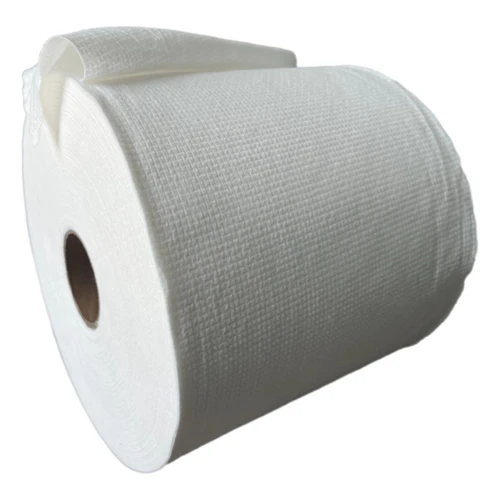
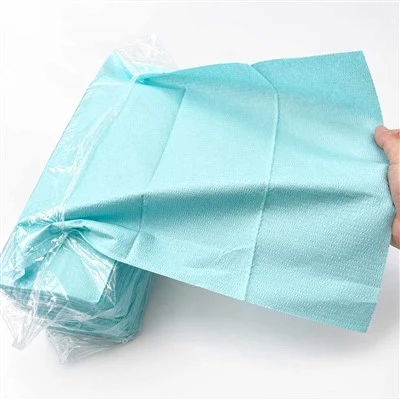
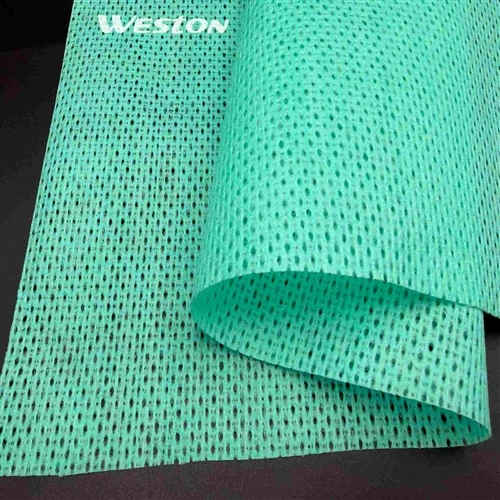
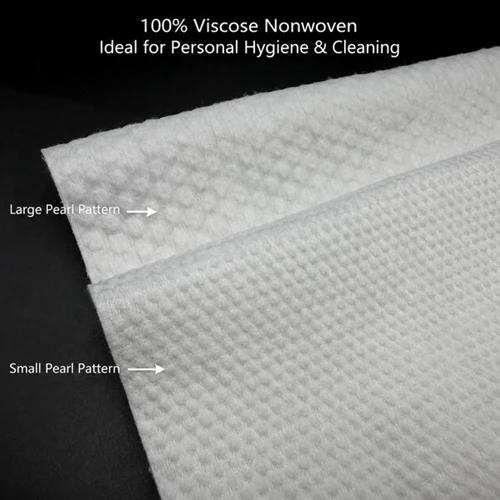
You see nonwoven fabrics in many things you use daily. Some common examples are:
Surgical masks
Bed linen
Coffee filters
Diapers
Felt
Carpets
Cheese wrap
Cosmetic applicators
Food packaging
These fabrics are found in homes, hospitals, cars, and stores. Nonwoven fabrics have fibers stuck together, not woven or knitted. This special way of making them gives them unique features like absorbency, softness, and breathability.
|
Property |
Description |
|
Absorbency |
Soaks up liquids fast for hygiene and cleaning products. |
|
Impermeability |
Stops liquids and germs, good for masks and gowns. |
|
Lightweight and Flexible |
Easy to use, fold, and fit in many things. |
You use these features every day, often without knowing it.
Medical Nonwoven Fabrics

Nonwoven fabrics are used in many medical items. These materials help keep people safe and hospitals clean. Here are some main examples:
Surgical Masks
Surgical masks have nonwoven fabrics that block germs and small bits. People wear these masks to stop germs from spreading. They are made to follow strict rules for safety and filtering.
|
Standard |
Requirement |
Efficiency Requirement |
|
EN 14683 Type II |
Filters particles about 3 micrometres with Staphylococcus aureus |
At least 98% fewer CFUs |
|
ASTM F2100 Level 3 |
Filters 0.1 micrometre particles |
At least 98% filtration |
People use these masks in hospitals, clinics, and public places. Nonwoven fabrics make the masks light and comfy. You can breathe well and stay safe.
Gowns and Drapes
Medical gowns and drapes use nonwoven fabrics to block fluids and germs. Doctors and nurses wear gowns during surgery. Drapes cover patients and tools to keep things clean.
|
Fabric Type |
Key Advantages |
Main Limitations |
Typical Applications |
|
Woven |
Strong, lasts long |
Not good with fluids unless coated |
Reusable gowns, drapes, bedding |
|
Knit |
Stretches, comfy, lets air in |
Not a good barrier without extra layer |
Scrubs, patient clothes |
|
Nonwoven |
Great at blocking fluids and viruses |
Used once, not as strong |
Surgical drapes, disposables, PPE |
Nonwoven fabrics protect better from liquids and viruses than woven or knit ones. You use these items one time and throw them away. This helps stop infections.
Medical Wipes
Medical wipes made with nonwoven fabrics help clean wounds and surfaces. People use them for first aid, surgery, and other care. Makers pick natural materials for wipes because they work well and cost less. New ways of making wipes keep them strong and able to soak up liquids.
Tip: Always use new medical wipes to keep things safe and clean.
Medical wipes are important for staying clean. You find them in hospitals, clinics, and homes for personal care.
Medical nonwoven fabrics do many jobs in healthcare:
Surgical gowns and drapes keep out germs and fluids.
Special wound dressings help wounds heal and stop infection.
Hygiene items like wipes and pads help you stay clean.
Some nonwoven fabrics are used inside the body for tissue repair.
You see nonwoven fabrics in almost every part of medical care. These materials help keep people safe, healthy, and comfortable.
Hygiene and Personal Care Nonwoven Fabrics
You use hygiene and personal care items every day. Many of these products need nonwoven fabrics for their special features. In 2023, about 40% of nonwoven fabrics are used for hygiene. Diapers and sanitary napkins help the market grow by about 35%. This shows these materials are very important for personal care.
Diapers
Diapers help babies and adults stay dry and comfy. Nonwoven fabrics are a big part of how diapers work today. These fabrics let liquid move fast to the absorbent layer. This keeps the top layer dry on your skin. They are made from fine synthetic fibers like polypropylene. These fibers feel soft and let air move through. The design helps liquid flow easily and protects sensitive skin. Many diapers now use elastic nonwoven fabrics for a snug fit that is still comfy.
Liquids move fast to the absorbent core.
The top layer stays dry and soft.
Elastic parts help diapers fit better.
Feminine Hygiene Products
Feminine hygiene items like sanitary napkins and panty liners use nonwoven fabrics for comfort and safety. New ideas have made these products much better.
|
Innovation Type |
Description |
|
Spunbond and Meltblown Technologies |
Make products stronger, more flexible, and better at soaking up liquid. |
|
Biodegradable and Compostable Nonwovens |
Help the environment and give eco-friendly choices. |
|
Smart Textiles |
Use materials that sense moisture for a better experience. |
You get these new benefits every month. The materials keep you dry, comfy, and sure of yourself.
Wet Wipes
Wet wipes help you clean your hands, face, and things around you. Nonwoven fabrics make wipes strong and able to soak up liquid. Wet wipes can affect the environment from making them to throwing them away. If you throw them out the wrong way, they can hurt sea animals. You can pick wipes made from bamboo, organic cotton, or viscose from wood pulp. These break down faster and help stop pollution.
Tip: Always throw away wet wipes the right way to help the planet.
Nonwoven fabrics in hygiene and personal care items make your life better. They give you comfort, safety, and make things easier.
Household Nonwoven Fabrics
You use household nonwoven fabrics every day. You might not even notice them. These materials help make chores easier. They also help keep your home clean and comfy. Here are some common examples:
Bed linen
Carpets and carpet backings
Cleaning cloths
Floor duster cloths
Mops
Bed Linen
Nonwoven bed linen is a clean and easy choice. You can use it at home, in hospitals, or in hotels. These sheets feel soft and are often biodegradable. You can use them once and throw them away safely. Nonwoven bed linen costs less than regular sheets. This is because they are easier to make. Hospitals save money and do less laundry by using disposable sheets.
Traditional linens last longer and feel nicer. But nonwoven sheets are better for hygiene. You use them one time and then toss them out. This helps stop germs from spreading. They are great when you want a fresh, clean bed every time.
Note: Nonwoven bed sheets are smart for people who want things clean and easy.
Carpets
Carpets in your house often have nonwoven fabric in the backing. This backing helps the carpet keep its shape. It also helps the carpet last longer, even in busy rooms. Nonwoven carpet backings do not let water in. This stops mold and mildew from growing. These backings also soak up sound, so your home is quieter. The extra layer makes your carpet feel softer.
|
Benefit |
Description |
|
Dimensional Stability |
The carpet keeps its shape and size, even with lots of foot traffic. |
|
Sound-Dampening Properties |
The backing absorbs noise, making your home quieter. |
|
Moisture Resistance |
The backing repels liquid, stopping mold and mildew from growing. |
|
Enhanced Comfort |
The extra layer gives you more cushioning and comfort. |
Carpets also trap dust and dirt. This helps keep your air cleaner. When you vacuum, you pick up the dust. This can make the air in your home better.
Cleaning Cloths
You use nonwoven cleaning cloths for many jobs at home. These cloths are strong and soak up spills fast. Makers use fibers like polypropylene, polyester, or cellulose. This gives the cloths strength and helps them soak up water. Some cloths have a rough surface for scrubbing. Others are smooth for gentle cleaning.
|
Property |
Description |
|
Fiber Composition |
Synthetic fibers give strength and durability. Natural fibers add absorbency and biodegradability. |
|
Surface Texture |
Textured cloths scrub better. Smooth cloths work well on delicate items. |
|
Weight and Thickness |
Thicker cloths soak up more and last longer. Thinner cloths are good for light cleaning. |
|
Bonding Method |
The way the fibers are joined affects how strong and absorbent the cloth is. |
You can pick the best cleaning cloth for each job. This makes chores faster and easier.
Floor Duster Cloths
Floor duster cloths made from nonwoven fabrics clean floors fast. Microfiber ones can be washed and used again. This means you make less trash. The thick fibers trap dust and allergens better than old dusters. You can use these cloths on gentle surfaces without scratching them. Using reusable duster cloths saves money over time.
Microfiber cloths can be washed and used again.
Thick fibers trap dust and allergens well.
Safe for gentle surfaces, so no scratches.
Reusable cloths help you save money.
Mops
Nonwoven mops help you clean up spills and dirt easily. These mops feel soft and soak up water fast. You can wash and use them many times. This makes them a good choice for your home. Nonwoven mops stay strong even when wet. They do not fall apart. They are light, so you can move them around easily.
|
Characteristic |
Description |
|
Softness |
Feels comfortable in your hands |
|
High absorption |
Soaks up water quickly |
|
Washable |
Can be used many times |
|
High strength |
Stays strong even when wet |
|
Air permeable |
Lets air pass through easily |
|
Light weight |
Easy to handle and carry |
You can trust nonwoven mops to keep your floors clean and dry. You do not have to work as hard.
Tip: Pick reusable nonwoven cleaning products to make less waste and help the planet.
Nonwoven fabrics are important for cleaning and comfort at home. They make chores easier, help with hygiene, and keep your home fresh and safe.

Food and Packaging Nonwoven Fabrics
Nonwoven fabrics are in many things that keep food safe. These materials are important for packaging and making food.
Cheese Wrap
Cheese wrap made from nonwoven fabrics keeps cheese safe from germs and water. You use these wraps to keep cheese fresh when you store or move it. The wrap lets air pass through, so cheese can age well. You can buy cheese wraps at stores and markets.
Coffee Filters
Coffee filters use nonwoven fabrics to control water flow. Some filters have nanofibers and PLA fibers. These help make coffee taste better and stop grounds from getting in your cup. You get coffee that is clear and strong. Some filters use biodegradable materials, which are better for the earth. Bleaching can change how filters work and taste. New coffee pods are made to give better flavor and a smoother drink.
Food Packaging
Nonwoven fabrics block water, germs, and dirt from food. You see them as liners, wraps, and trays in food packaging. They help keep food safe and fresh. Factories use nonwoven materials to keep things clean and safe. You also find nonwoven oven bags and pouches for cooking food.
Keep food safe from water and germs
Used as liners, wraps, and trays
Help food stay safe in factories and stores
Used in cooking bags and pouches
Tip: Pick packaging with nonwoven fabrics to keep food fresh longer.
Disposable Food Trays
Disposable food trays made from nonwoven fabrics are light and strong. You use these trays for meals at parties, schools, and cafeterias. The trays do not let water leak out. You can throw them away after using them, so cleaning up is easy.
Detergent Pouches
Detergent pouches use nonwoven fabrics that dissolve in water. These pouches melt in warm or hot water and let out soap. The fabrics break down safely and are good for the earth. You use these pouches once, which helps cut down on plastic trash.
|
Feature |
Description |
|
Dissolution |
Melts in water, especially when warm or hot |
|
Biodegradability |
Made from PVA and breaks down safely |
|
Application |
Used for one-time detergent pouches, cuts down on plastic |
Nonwoven fabrics in food and packaging help keep food safe, make things cleaner, and help the planet.
Types and Historical Examples of Nonwoven Fabrics
There are many types of nonwoven fabrics. Each type has its own story and special jobs. These materials have changed as people found new ways to make them.
Staple Nonwovens
Staple nonwovens use short fibers stuck together. They are strong and bend easily. Many industries use them for different things.
|
Industry |
Applications |
|
Automotive |
Carpeting, insulation, cabin air filters, fuel and oil filters, battery separators |
|
Construction |
Geotextiles, roofing underlayment, house wrap, carpet backing |
|
Filtration |
Air filters, liquid filters, depth filters for purification |
|
Other |
Furniture interlinings, apparel interfacing, shopping bags, tea bags, vacuum cleaner bags |
Melt-blown

Melt-blown nonwovens are made by blowing melted polymers into thin fibers. This makes a web that can catch tiny things. You often see melt-blown fabrics in masks and filters.
|
Process Description |
Contribution to Filtration Efficiency |
|
Molten polymer streams blown into air jets form ultrafine fibers |
High filtration efficiency, great for aerosol filtration |
|
Electret technology adds electrical charges |
Captures even smaller particles |
Spunbond
Spunbond nonwovens use long filaments spun from polymers. These fabrics are tough and not expensive. You find them in hygiene items, medical things, and building materials.
|
Key Characteristics |
Primary Applications |
|
High polymer chips as raw materials |
Home and office decor, carpet base cloth, synthetic leather base cloth |
|
Excellent mechanical properties |
Clothing lining, work clothes |
|
Isotropic tensile strength |
Filter materials, cable wrapping, waterproofing, geotextile, agricultural film |
|
Low production cost |
Diapers, sanitary napkins |
|
High strength (polyester spunbond) |
Medical protective clothing, surgical gauze |
Spunlace
Spunlace nonwovens use strong water jets to stick fibers together. This keeps the fabric soft and able to soak up liquid. You see spunlace in wipes, medical fabrics, and things that touch your skin.
|
Feature |
Spunlace Process |
Other Nonwoven Methods |
|
Bonding Method |
Hydroentanglement with water |
Chemical binders or heat |
|
Fabric Properties |
Soft, strong, absorbent |
Varies |
|
Main Applications |
Personal care, medical textiles |
Varies |
Note: Spunlace fabrics are good for gentle uses because they stay soft and strong.
Felt
Felt is one of the oldest nonwoven fabrics. People have used felt for hundreds of years. You can still find felt in old and new products.
|
Traditional Uses |
Modern Uses |
|
Shoes, armor, yurts, tents |
Automotive industry, sound dampers |
|
Historical headwear |
Air filtration, machine padding |
|
Decorative items |
Home furnishings, table runners |
You can see how nonwoven fabrics started with felt. Now, they are used in many new ways. Each type has its own good points and uses.
You find nonwoven fabrics in many things every day. They are in medical, hygiene, household, and food packaging products. These materials help you stay safe, clean, and comfy. New ideas like biodegradable fibers and smart technology make them even better. Now, they are used in healthcare, cars, and electronics. People want things that are light and strong, so the market keeps growing. If you want to try things like Room Cleaning Wipes , Lyocell Wire Pattern Fabric, Customizable Bamboo Charcoal Makeup Remover Material, or Woodpulp Polypropylene Blend Nonwoven Rolls, you can get free samples by emailing info@westonmanufacturing.com.
|
Innovation Type |
Applications |
|
Biodegradable Fibers |
Hygiene, medical textiles |
|
Smart Technologies |
Wearable electronics, health monitoring |
Nonwoven fabrics will keep getting better as people think of new uses.
FAQ
What makes nonwoven fabrics different from woven fabrics?
Nonwoven fabrics are made by sticking fibers together. They do not use weaving or knitting. This makes the fabric soft and able to soak up liquids. It also helps block germs. Woven fabrics are made by crossing threads in a pattern.
What are the main uses of nonwoven fabrics in daily life?
You see nonwoven fabrics in many things you use. They are in masks, diapers, wipes, carpets, and food packaging. These materials help you stay clean and safe at home, school, or work.
What types of fibers do manufacturers use for nonwoven fabrics?
Manufacturers use synthetic fibers like polypropylene and polyester. They also use natural fibers such as cotton, bamboo, and wood pulp. Each fiber gives the fabric its own special feature.
What benefits do nonwoven fabrics offer for hygiene products?
Nonwoven fabrics soak up liquids fast and feel soft on skin. They let air move through, so you stay comfy. You get better comfort and protection in diapers, wipes, and feminine hygiene items.
What environmental options exist for nonwoven fabrics?
You can pick nonwoven fabrics made from biodegradable fibers. Bamboo and wood pulp are good choices. These break down faster and help stop pollution. Look for eco-friendly labels when you shop.