Let's Clean Up the Facts.
When Cleanliness Meets Cuisine
Walk into any food plant or restaurant, and you'll see a familiar routine: wipe, spray, rinse, repeat. Most kitchens today rely on disinfectants and specialty wipes to knock out invisible threats. But is disinfectant really safe around food? Does "germ-free" always mean "worry-free"? Let's sort truth from rumor, and see how Weston Nonwoven's advanced spunlace wipes protect both safety and taste.
Understanding Food Safety and Surface Hygiene
Disinfectants are engineered to eliminate bacteria, viruses, and mold from countertops, utensils, and food-contact surfaces. They work fast-sometimes in under a minute-and can reduce common pathogens with up to 99% effectiveness when used correctly. However, "safe" in food environments means more than germ-killing power. Food-contact surfaces must be free of hazardous residues and physical contaminants, and even the best products aren't truly safe unless the process is sound.
Why Surface Cleanliness Matters
Foodborne illnesses affect millions of people globally every year.
Cross-contamination is a leading cause-raw foods, hands, and tools can transfer microbes in seconds.
Proper hygiene habits, combined with food-grade disinfectant wipes, are proven to cut illness risk dramatically.
Food Grade Disinfectant Wipes: How They Work
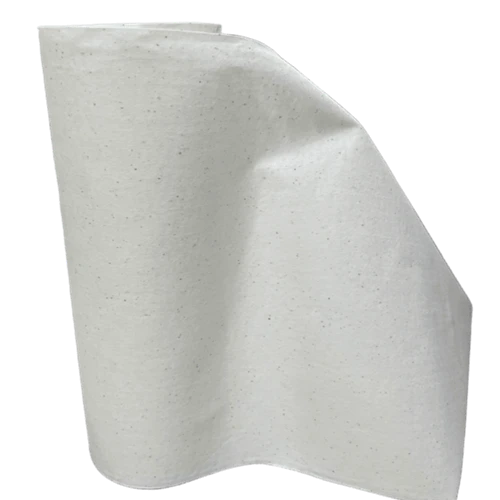
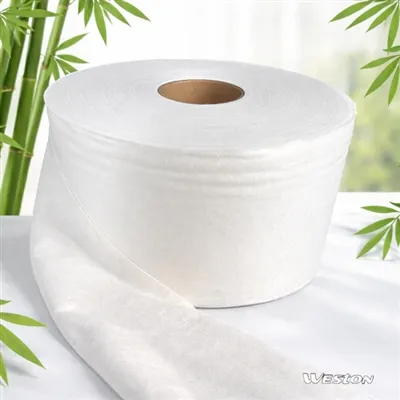
Food Grade Disinfectant Wipes take cleaning further than soap and water. These specialty wipes blend advanced cleaning solutions with ultra-soft, absorbent spunlace fabric-Weston Nonwoven's signature technology-to trap and remove residue, grease, and germs in a single pass.
Laboratory-Proven Effectiveness
Weston's microfibers create a dense, positively charged network that attracts and locks away pathogens like Salmonella and E. coli.
High absorbency: Each wipe can lift multiple times its own weight in moisture, oil, and particulate matter.
Rapid drying: Surfaces dry faster, reducing the chance of mold or new contamination.
The Pros and Cons of Disinfectant Use Around Food
Disinfectants bring clear benefits, but safety depends on correct handling and product selection.
Pros
Powerful pathogen reduction (up to 99%).
Quick action-surfaces can be sanitized in minutes, keeping busy environments safe.
When paired with Food Safe Wipes, the risk of cross-contamination falls sharply.
Minimize allergen spread and allergen cross-contact.
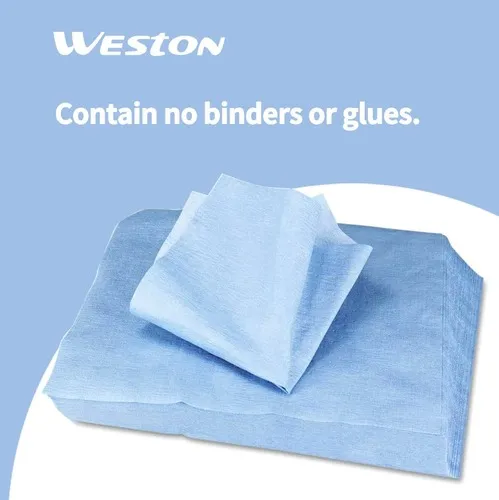
Weston Nonwoven's wipes are soft, durable, skin-friendly, and virtually lint-free, meaning no fibers in food.
Help kitchens comply with hygiene guidelines.
Cons
Misuse (over-concentration, incorrect rinsing) can leave behind chemical residue.
Some disinfectants may not be labeled for direct food contact-always check the label.
Not all wipes are created equal: woven or low-grade cloths can trap bacteria, and repeatedly used cotton cloths risk redepositing germs.
Surface residue concerns: Certain chemicals may require a post-disinfection rinse.
Wipes must never be used in place of thorough hand washing for staff.

Smart Practices for Safe Food Contact
Effective surface sanitizing is a stepwise process, not a shortcut.
Pre-clean: Remove visible crumbs and debris.
Apply disinfectant with a Food Safe Wipe or approved method.
Observe required contact time (usually 60 seconds to 10 minutes).
Rinse if directed-most food-contact disinfectants are formulated for safe rinsing.
Air dry: Let surfaces dry fully before handling food.
Proper procedures mean that Food Grade Disinfectant Wipes used with correct technique are not only safe-they're recommended for preventing outbreaks.
Weston Nonwoven's Spunlace Wipes: How Material Matters
Why Spunlace?
Hydroentangled fibers lock in moisture and soil-no chemical binders, so there's no risk of unwanted transfer to food.
Nonwoven construction means fewer places for germs to hide, and each wipe is strong enough to tackle tough kitchen messes.
Disposable or limited-use: Single-use wipes reduce bacterial build-up and odor risk.
Skin-friendly, soft even for sensitive hands.
Industry Insights
Operators who switched to Food Safe Wipes reported faster cleaning times and less wasted product.
Spunlace fabric outperformed conventional cotton cloths in both absorbency and pathogen trapping in independent tests.
Lower chance of fiber shedding compared to traditional wipes, keeping food purer.
Common Misunderstandings and Safety Tips
It's easy to worry that disinfectant means danger, but the risks come mostly from misuse. Here are common misunderstandings:
"All disinfectants leave toxic residue."
Not when properly rinsed after the correct contact time and used at the correct dilution.
"Any wipe is food-safe."
Only wipes explicitly labeled as Food Safe Wipes and made from appropriate nonwoven material should touch food-contact surfaces.
"More disinfectant equals better safety."
Excess chemical can eat into surfaces and leave more residue-not safer.
"Reusable wipes are always better."
Not in fast-paced kitchens; disposable options can actually decrease cross-contamination.

Versatility and Science-Backed Results
Weston Nonwoven's spunlace wipes are trusted far beyond kitchens:
Surface cleaning in fresh produce packing.
Spot touch-ups for utensils, cutting boards, food prep benches.
Can be used wet or dry, depending on the task-all wipes are manufactured with skin sensitivity and material safety in mind.
Comparative Data Table
|
Wipe Type |
Pathogen Removal (%) |
Absorbency |
Lint-Free |
Recommended for Food |
|
Weston Spunlace |
98 |
5x weight |
Yes |
Yes |
|
Cotton Cloth |
30 |
Moderate |
No |
No |
|
Paper Towel |
45 |
Low |
No |
Sometimes |
Data based on laboratory simulations using kitchen soil and common bacteria.
Want a Free Sample?
For a free sample of Weston Nonwoven's Food Safe Wipes or to request details about our Food Grade Disinfectant Wipes, contact: info@westonmanufacturing.com
Experience a safer, cleaner kitchen that's ready for anything. With Weston Nonwoven, preparation meets peace of mind.