A Scientific Guide to What Really Happens
Every day, millions of people use wet wipes without pausing to ask a fundamental question: Are wet wipes actually degradable? The answer reveals a surprising gap between marketing claims and scientific reality-one that fundamentally shapes our environmental future.

The Market Reality: What's Really Inside Your Wipes?
The global wet wipes market reached $23.4 billion in recent years, yet most consumers remain unaware of what materials actually compose their products. Research shows that global wet wipe production relies on three primary materials: approximately 40% wood pulp, 35% polyester, and 15% viscose, with smaller percentages of other synthetic fibers.
This composition matters enormously because it determines whether a wipe can genuinely degrade or simply fragment into persistent microplastics. A critical research finding reveals that over 50% of biodegradable and "flushable" wipes contain both cellulose-based fibers AND synthetic polymers, along with chemical additives that actively inhibit degradation. This dual-composition strategy allows manufacturers to balance performance with cost but compromises genuine environmental responsibility.
Understanding Degradation: The Three-Part Process
Degradation isn't a simple concept-it requires three specific conditions working together:
1. Appropriate Material Composition
Only certain materials are chemically capable of being consumed by microorganisms. Synthetic polymers like polyester and polypropylene, derived from petrochemicals, lack the molecular structure that soil bacteria recognize as consumable. Cellulose-based materials-wood pulp, viscose, bamboo, cotton-possess sugar chains that cellulase enzymes can break down, making them genuinely biodegradable.
2. Optimal Environmental Conditions
Degradation requires warmth, moisture, and aerobic conditions (oxygen availability). In a compost facility at 58°C with constant moisture and active microbial communities, pure cellulose materials degrade within weeks to months. In a sealed, anaerobic landfill? The timeline extends to years or decades, if degradation occurs at all. This explains why "flushable" wipes flushed into sewers often fail to degrade-wastewater systems lack the conditions necessary for effective biodegradation.
3. Absence of Inhibitory Additives
Chemical treatments-preservatives, binders, thickeners, surfactants-create barriers that microorganisms cannot penetrate. When cellulose fibers are treated with chemical hardeners or cross-linked with synthetic binders, degradation slows dramatically. This is why wipes with "enhanced durability" often persist in environments far longer than untreated cellulose alternatives.
The Degradation Timeline: Separating Fact from Marketing
The scientific literature reveals consistent degradation timeframes for different material types:
Pure cellulose (wood pulp, viscose, cotton): 2 weeks to 6 months in composting conditions; 1-3 years in typical soil environments.
Mixed cellulose-synthetic blends: 5-20+ years; tends to fragment into microfibers rather than biodegrade.
Polyester/polypropylene-based wipes: 100-200+ years (essentially permanent for practical purposes).
The environmental impact extends beyond degradation time. Even as synthetic-containing wipes fragment into smaller pieces, these microfibers persist in water systems and soil, eventually entering food chains. Research from Scotland found an average of 48 wet wipes per 100 meters of surveyed beach, with trends showing increasing accumulation over time. These aren't disappearing-they're fragmenting into nano and microplastics that persist indefinitely.

Water-Based Manufacturing: The Spunlace Advantage
Manufacturing process significantly influences degradation capability. Traditional wipe production often involves chemical bonding agents, synthetic adhesives, and various chemical treatments that inhibit biodegradation. Spunlace manufacturing represents a fundamentally different approach.
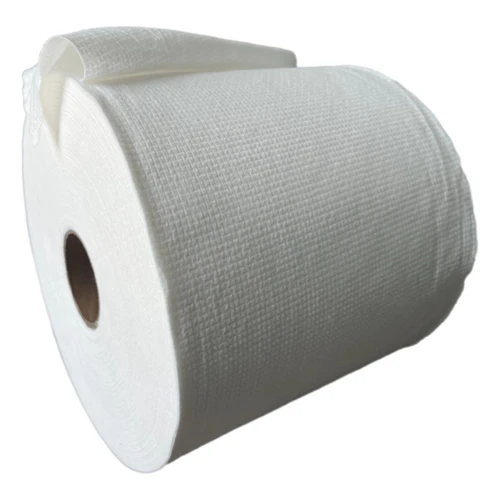
The spunlace process uses high-pressure water jets to mechanically interweave fibers-not adhesives, not chemical binders, but precisely controlled water. This water-based bonding mechanism offers several crucial advantages:
No Synthetic Adhesives: The mechanical interlocking created by water jets eliminates the need for thermoplastic polymers that resist degradation.
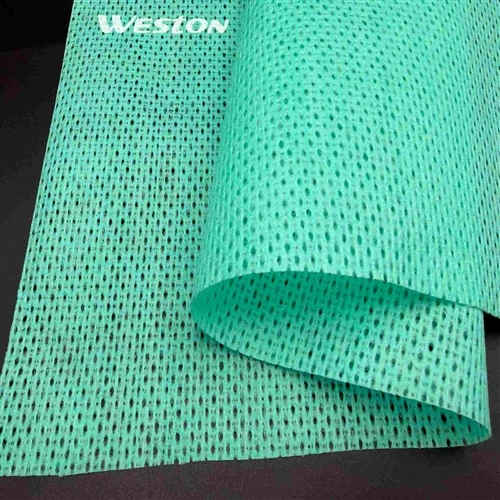
Open Fiber Structure: The spunlace process preserves fiber architecture while creating strong bonding, leaving the fabric structure accessible to microbial colonization and enzymatic degradation.
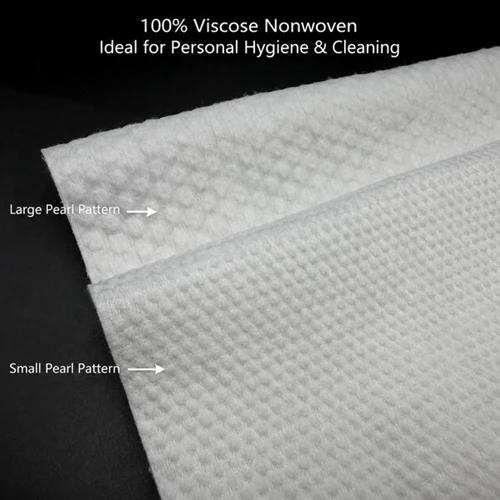
Material Flexibility: Spunlace technology accommodates diverse natural fiber combinations-viscose, wood pulp, bamboo, cotton-optimized for both performance and degradability.
Predictable Degradation: Spunlace fabrics manufactured from pure natural fibers without synthetic additives degrade reliably within timeframes that match their intended use.
The Real Environmental Cost: Beyond Sewage Blockages
The environmental impact of non-degradable wipes extends far beyond the 90% contribution to sewer blockages that costs municipalities billions annually. The broader ecological impact includes:
Water Contamination: Chemical additives from wipes persist in water systems, affecting aquatic ecosystems and entering human drinking water supplies.
Microplastic Bioaccumulation: Wipes containing synthetic fibers fragment into microplastics that accumulate in fish and other organisms, entering food chains.
Resource Depletion: Manufacturing petroleum-based synthetic fibers for wipes consumes finite fossil fuel resources while generating significant carbon emissions.
Ocean Pollution: Wipes that escape sewage systems accumulate in oceans, where they fragment into persistent microplastics affecting marine biodiversity.
Research comparing bio-based versus petroleum-based wipes demonstrates that bio-based options generate 38% lower environmental impact over their complete life cycle.

Certification Standards: What Actually Means Something?
Not all "biodegradable" claims carry equal weight. Reliable certifications include:
OK Compost (European Standard): Certifies 90% conversion to CO2 within 180 days under controlled composting.
ASTM D6400 (U.S. Standard): Rigorous testing for compostability and degradation rate.
ISO 23977: Tests flushability and dispersibility in wastewater systems.
Products lacking third-party certification making degradability claims rely on marketing language rather than scientific validation.
The Path Forward: Consumer Intelligence
Making informed choices begins with understanding what you're actually purchasing:
Check Material Composition: Honest manufacturers specify exact fiber percentages. Vague claims like "nonwoven fabric" without specifics suggest hidden synthetic content.
Verify Certifications: Look for third-party testing from recognized standards bodies-not marketing logos.
Research Chemical Additives: Transparent manufacturers list preservatives, binders, and surfactants. Extensive chemical treatments often inhibit degradation.
Understand Disposal Options: "Flushable" wipes should never enter sewage systems. Compost or trash are appropriate disposal methods for genuinely degradable wipes.
The scientific evidence is clear: genuinely degradable wipes require natural fiber composition, minimal chemical additives, and manufacturing processes that preserve fiber accessibility to microbial degradation. Spunlace technology manufacturing premium natural fibers represents the current standard for wipes that deliver both performance and authentic environmental responsibility.
Experience the Difference
Discover how advanced nonwoven fabric technology supports genuine sustainability. Weston Nonwovens specializes in premium spunlace solutions engineered for biodegradable performance:
Meltblown Nonwoven For Disposable Wet Wipes – High-filtration performance without synthetic compromise.
Industrial Cleaning Wet Wipes – Professional-grade durability with natural degradability.
Degradable Wet Wipes – Verified biodegradable formulations for responsible manufacturers.
Request free samples and technical specifications: info@westonmanufacturing.com
Learn how spunlace manufacturing excellence supports your commitment to environmental responsibility.