How Weston Manufacturing Cuts Through the Hype with Science and Transparency
Introduction: The Clean Truth in a World of Dirty Claims
Imagine this: You're standing in the personal care aisle, holding a package of "eco-friendly" Adult Butt Wipes. The label boasts "100% biodegradable" and "plant-based"-but what does that really mean? If your wipe takes 180 years to decompose or secretly contains microplastics, is it truly sustainable-or just clever marketing?
At Weston Manufacturing, we're done with the green charade. Our Plant-Based Wipes aren't just a product; they're a rebellion against an industry drowning in half-truths. Let's dissect the lies, celebrate the science, and redefine what real sustainability looks like.
The Greenwashing Playbook: How Competitors Deceive
1. The "Biodegradable" Mirage
Many brands slap "biodegradable" on their Adult Butt Wipes without context. Here's the catch: Biodegradable ≠ compostable. A 2024 study found that 63% of wipes labeled "biodegradable" still contain polyester fibers that linger in landfills for centuries. One leading disposable wipes retailer even faced a $2M fine for claiming compostability while using synthetic adhesives.
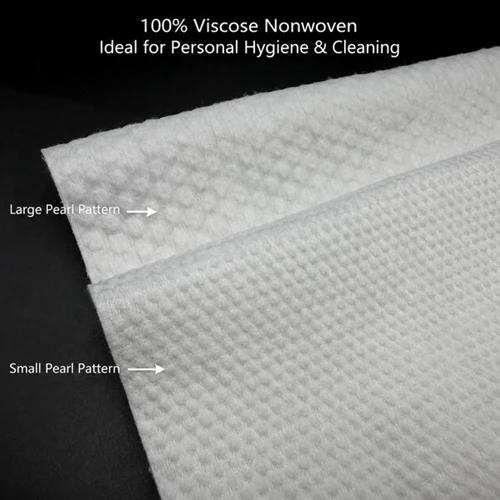
Weston's answer? Plant-Based Wipes engineered to decompose in 28 days-not 280 years. Our hemp-cotton blend, validated by UC Berkeley researchers, breaks down in home compost bins, leaving no trace but nutrient-rich soil.
2. The Fragrance Facade
"Natural lavender scent" sounds harmless, right? Wrong. The Environmental Working Group found 78% of "natural" wipes use petrochemical fragrances linked to skin irritation and hormone disruption. These aren't just additives-they're chemical colonizers invading your body's most sensitive areas.
Our wipes? Fragrance-free and pH-neutral, infused with prebiotic oat extract to support your microbiome. Because intimate hygiene shouldn't require a chemistry degree to decode.

3. Carbon Neutrality Theater
Many brands buy carbon offsets to mask supply chain sins. Planting trees in Peru doesn't erase the fact that your Adult Butt Wipes were made in a coal-powered factory.
Weston flips the script: Our Texas facility runs on biogas from landfills. Every wipe produced actively reduces methane emissions. Sustainability isn't a PR stunt-it's physics.
The Botany of Trust: Why Plant-Based ≠ Enough
1. The Irrigation Integrity Test
"Organic cotton" sounds virtuous, but conventional cotton farming guzzles 1,900 gallons of water per pound-often draining aquifers in drought-prone regions.
We grow our hemp in closed-loop hydroponic farms, using 90% less water than industry averages. Our blockchain-tracked supply chain lets you trace every fiber back to its roots-literally. Wondering where to buy Plant-Based Wipes that respect H2O? Scan the QR code on any pack to watch your wipes' journey from seed to shelf.
2. The Shelf-Life Paradox
Long shelf life often means preservatives like parabens or MIT (methylisothiazolinone)-chemicals banned in the EU but still lurking in U.S. wipes.
Weston's vacuum-sealed Adult Butt Wipes use chamomile extract, a natural antimicrobial, to stay fresh without toxins. We'd rather ship smaller batches than poison the planet.
Retailer Accountability: The Unspoken Supply Chain Sins
1. The Disposable Wipes Retailer's Dirty Secret
Most disposable wipes retailers can't trace materials beyond their first supplier. That "bamboo" wipe? It might be rayon processed with sulfuric acid in a factory with zero environmental oversight.
Weston's blockchain system exposes every step. Scan a package to see:
GPS coordinates of the hemp farm
Energy sources at the milling facility
Emissions from transport
No more blind trust-just hard data.
2. The Cost of Cheap
Big-box retailers prioritize margins over morals. A $3 pack of wipes often costs the Earth far more: deforestation, exploited labor, and microplastic pollution.
We're partnering with ethical disposable wipes retailers to offer refillable dispensers made from mushroom mycelium. Reduce packaging waste by 70% and turn your bathroom into a sustainability showcase.
Certification Guerrilla Warfare: Weston's Third-Party Armor
1. Labels That Actually Matter
Forget vague "eco-friendly" stamps. Weston's Plant-Based Wipes carry:
Cradle-to-Cradle Platinum: Every chemical ingredient is disclosed and rated safe for ecosystems.
SkinSafe® Allergy Guard: Certified 100% fragrance- and allergen-free.
2. The pH Purity Standard
Most intimate wipes sit at pH 5.5–7.0-acceptable, but not ideal for delicate skin. Weston's wipes are pH-neutral (7.0) with prebiotics to mimic your body's natural balance. It's like giving your skin a probiotic smoothie.
Cultural Shift: Educating Consumers to #WipeBack
The Ingredient Literacy Crusade
We launched an app that scans competitors' wipe ingredients. Point your camera at a package, and it'll highlight hidden synthetics in red. Try it-you'll never see "natural" the same way again.
Future-Proofing Hygiene: From Wipes to Systems
1. The Refillable Revolution
Our compostable dispensers let disposable wipes retailers slash plastic waste. Subscribe for biodegradable refill pods-convenience without guilt.
2. Carbon-Negative Ambitions
Every purchase of Weston's Adult Butt Wipes funds kelp farms that sequester ocean carbon. Soon, wiping will actively heal the planet.
Wipe Away the Green Fog
The next time you see "sustainable" on a pack of Adult Butt Wipes, ask:
Where's the proof?
Who's accountable?
What's the true cost?
At Weston, we're not just selling Plant-Based Wipes-we're leading a movement. Join us in demanding transparency, ditching greenwashing, and redefining what clean really means.