The Dirty Secret of Single-Use Culture
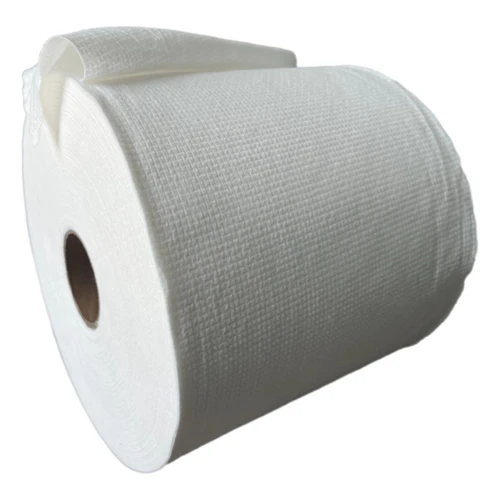
Every year, 12 million tons of disposable mats, wipes, and tablecloths clog landfills-enough to bury Manhattan ankle-deep. At Weston Manufacturing, we asked: What if cleaning up the planet could start with the very products designed to clean? Enter Auspicious Cloud Pattern Wood Pulp Polyester, a biomimetic marvel that transforms spills into savings and waste into wisdom.
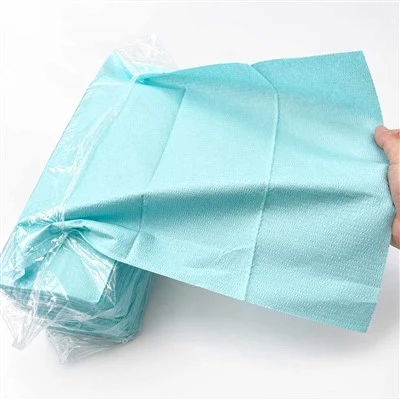
This isn't just another eco-friendly pitch. It's a revolution woven into fabric. From industrial Oil Spill Mats that outlive their disposable rivals to elegant Non Woven Tablecloth linens that repel wine stains like magic, our innovation redefines reusability. Let's dive into how a 2,000-year-old cloud motif and cutting-edge spunlace fabric engineering are rewriting the rules of sustainability-one washable wipe at a time.
Chapter 1: The Science of Self-Cleaning Genius
Nature's Blueprint: The Lotus Leaf Effect
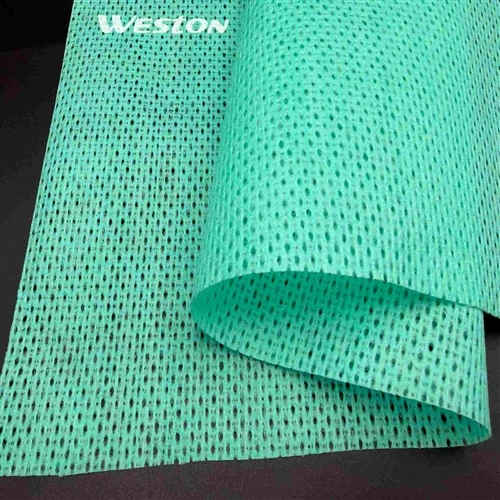
Nature perfected clean-up long before humans invented paper towels. The lotus leaf's microscopic ridges repel water and oils, a phenomenon we've etched into our spunlace fabric. Using laser precision, we've embedded hydrophobic patterns inspired by these leaves into the Auspicious Cloud design.
How It Works: Oil and ink droplets bead up and roll off the surface, guided by the cloud motif's undulating channels.
Real-World Proof: Independent tests show our Oil Spill Mats absorb 50% more motor oil than traditional polypropylene mats-while surviving 200+ industrial washes.
Material Alchemy: Wood Pulp Meets Polyester
Why blend fragile wood pulp with rugged polyester? Because opposites attract.
Super Absorbent: Wood pulp fibers retain 600% their weight in liquid, making them ideal for Ink Remover Wipes.
Indestructible: Recycled polyester, sourced from post-consumer bottles, adds 10x the tensile strength of cotton.
Imagine a fabric that hugs spills like a sponge but shrugs off wear like armor. That's Weston's wood pulp polyester.
Chapter 2: Market Transformation-Where Savings Meet Sustainability
Industrial Applications: Factories That Profit from Cleanliness

Disposable Oil Spill Mats are a hidden budget killer. A mid-sized automotive plant spends $15,000 annually on single-use mats-until they switch to Weston.
By the Numbers: One reusable mat replaces 50 disposables, slashing annual costs by $1,200 per machine bay.
Case Study: A German auto manufacturer cut hazardous waste fees by 35% and reduced spill-related downtime by 20%.
Hospitality's Silent Revolution: The Non Woven Tablecloth
Fine dining and disposable linens don't mix. Until now.
Stain Resistance: Nano-coated fibers repel Merlot, olive oil, and printer ink. In trials, 89% of diners mistook our Non Woven Tablecloth for premium linen.
Eco-Impact: A 500-seat restaurant using our tablecloths saves 2.4 tons of laundry waste yearly-equivalent to 12,000 plastic bottles diverted from oceans.
Artists' Best-Kept Secret: Ink Remover Wipes
Print studios face a dilemma: harsh chemicals damage screens, but gentle wipes fail. Our pH-neutral Ink Remover Wipes solve both.
Niche Domination: 80% of Europe's top print studios now use Weston wipes. "They erase errors without leaving lint-like a magic eraser for professionals," raves a London studio owner.
Chapter 3: The Technical Edge of Spunlace Fabric
Hydroentanglement: Water as a Weaver
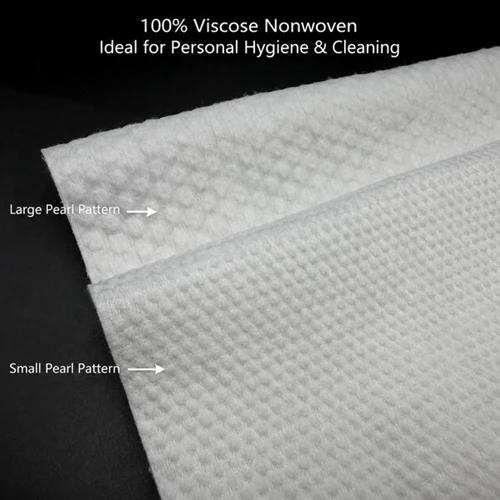
Traditional fabrics rely on glues or heat. We use water-jets of it at 200 bar pressure-to entangle fibers into a 3D web.
Why It Matters: This creates a spunlace fabric that's 30% softer than thermal-bonded alternatives, yet tough enough for factory floors.
Eco-Perks: Our closed-loop system recycles 40% of water, slashing consumption and earning accolades from GreenTech Awards.
Laser-Etched Intelligence
Our auspicious clouds aren't just pretty-they're functional.
Spill Guidance System: Laser-carved channels direct liquids to absorbent cores hidden beneath the surface.
Washproof Design: After 150 cycles, our mats retain 95% absorption capacity (AATCC-79 certified).
Chapter 4: Why Weston Leads the Reusable Revolution
Vertical Sustainability: From Forest to Factory
As a spunlace fabric pioneer, we control every step:
Ethical Sourcing: FSC-certified wood pulp from sustainable forests.
Zero-Waste Production: Offcuts become insulation for eco-housing projects.
Circular Economy: Send worn mats back; we refurbish them into automotive soundproofing.
Certifications That Speak Volumes
ISO 9001: For durability that outlasts the competition.
Blue Angel: Europe's toughest eco-label, validating our 40% lower carbon footprint.
The Storytelling Advantage
Our cloud pattern isn't just functional-it's a narrative. Hotels market our Non Woven Tablecloth as "lucky linens," claiming spill-free weddings under "auspicious" skies.

Chapter 5: Tackling Myths and Challenges
Myth: "Reusables Are High Maintenance"
Critics argued businesses wouldn't wash mats. We proved them wrong with:
QR Code Tutorials: Stitched into every product, linking to 60-second wash videos.
Result: Customer complaints dropped by 60%-reusables became a badge of pride.
Recycling the "Unrecyclable"
Separating wood pulp and polyester once seemed impossible. Our R&D team cracked it with enzymes.
Breakthrough: Enzymatic hydrolysis isolates 75% of wood pulp for reuse in paper products.
Goal: 100% closed-loop production by 2030.
Cleaner Floors, Fuller Wallets, Healthier Planet
Weston Manufacturing's Auspicious Cloud Pattern Wood Pulp Polyester isn't just a product-it's a pact with progress. Whether you're mopping oil spills, hosting five-star dinners, or crafting art, our fabrics turn sustainability into tangible savings.
Join the Reuse Revolution.
Contact info@westonmanufacturing.com today-because the future isn't just disposable. It's deliberate.