In early 2025, a new strain of H1N1 influenza began to spread, sparking concern worldwide. In hospitals, many healthcare workers started using waterless hand sanitizers between patient visits, believing it would protect them from the virus. However, as more cases of the 2025 H1N1 strain were reported, it became clear that waterless sanitizers alone were not enough to stop all types of bacteria, including this new flu strain. This raises an important question: do waterless hand sanitizers kill all bacteria?
How Do Waterless Hand Sanitizers Work?
Waterless hand sanitizers contain alcohol, such as ethanol or isopropanol, which helps to kill bacteria. Alcohol works by breaking down the cell membrane of bacteria, causing them to die. This method is effective against many types of bacteria, like E. coli and Staphylococcus aureus, which can spread easily through touch.
However, not all bacteria are killed by alcohol. Some bacteria, like Clostridium difficile (C. difficile), form spores that protect them from alcohol. The new H1N1 strain is also harder to fight with waterless hand sanitizers. Although alcohol can kill many bacteria, the 2025 H1N1 strain has shown some resistance, meaning it might not be completely eliminated by alcohol-based products.

Why Some Bacteria Are Hard to Kill
Bacteria are not all the same. Some have special defenses that help them survive. For example, C. difficile forms spores, which protect it from the alcohol in waterless hand wipers. Other bacteria group together in a protective layer called a biofilm. This makes it harder for alcohol to reach the bacteria and kill them. Even antibacterial wipes and disinfecting wipes may not always be strong enough to get through these layers.
Another issue is the strength of the alcohol. If a waterless hand sanitizer has too little alcohol, it may not kill bacteria effectively. For best results, the sanitizer should have at least 60% alcohol to work properly.
The Role of Antibacterial Wipes and Disinfecting Wipes
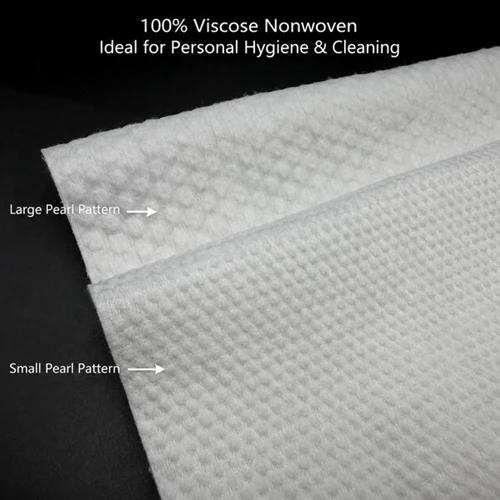
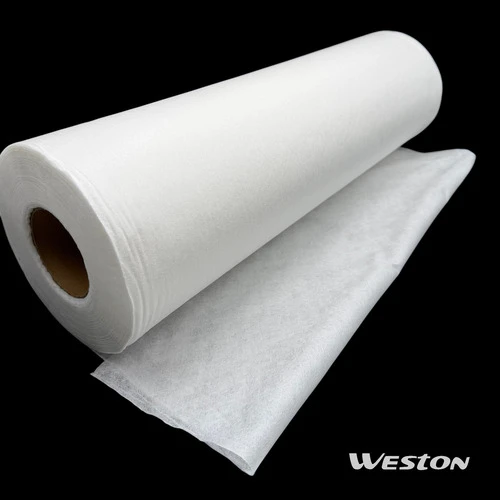
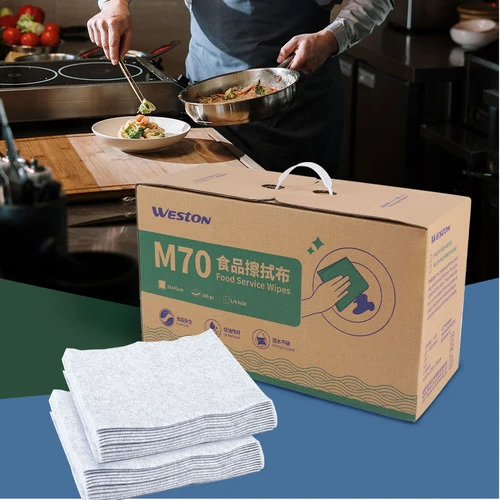
Antibacterial wipes and disinfecting wipes also help to stop the spread of bacteria, but in a different way. These wipes are mainly used for cleaning surfaces. They can kill germs on doorknobs, tables, or medical equipment. These wipes may be more effective than waterless hand sanitizers for cleaning things that hands touch.
However, even hygienic wipes and disinfecting wipes have limits. They may not work as well if the surface is very dirty. Dirt and grease can block the disinfectant and make it less effective. These wipes also don't provide long-lasting protection. Germs can return to surfaces soon after they are cleaned.
The Limitations of Waterless Hand Sanitizers
While waterless hand sanitizers are convenient, they do not kill all bacteria. Some bacteria, like C. difficile, form protective spores. These spores are hard to destroy with alcohol. Also, the new 2025 H1N1 strain may be harder to stop with hand sanitizers alone.
Antibacterial wipes and disinfecting wipes can clean surfaces, but they also have limits. They may not work well on dirty or greasy surfaces. Even if a surface is cleaned, the bacteria can return quickly. These wipes are not enough on their own to stop all bacteria from spreading.
Why You Need a Full Hygiene Routine
To stay safe, you need to use more than one method to fight bacteria. Waterless hand sanitizers can be useful when you can't wash your hands. But washing your hands with soap and water is the best way to stop germs. You should also use antibacterial wipes and disinfecting wipes to clean surfaces that people touch often.
While hygienic wipes and disinfecting wipes help reduce the spread of germs, they are not enough by themselves. Combining hand sanitizers, wipes, and hand washing gives the best protection against bacteria and viruses.
Waterless hand sanitizers are useful for killing many types of bacteria, but they do not kill all bacteria, especially those that form spores or biofilms. Antibacterial wipes and disinfecting wipes can help clean surfaces, but they too have their limits. To stop the spread of the 2025 H1N1 strain and other germs, you need to use a combination of products. Wash your hands regularly, use waterless hand sanitizers when necessary, and clean surfaces with antibacterial wipes and disinfecting wipes.
At Weston Manufacturing Co., we understand the importance of keeping yourself and others safe. Our hygienic wipes and disinfecting solutions are designed to give you the best protection possible against harmful bacteria and viruses. By using the right products in the right way, you can help prevent the spread of dangerous germs.