Durable Foodservice Towels vs. Traditional Cloths
A Practical Guide for Modern Kitchen Cleaning Systems (Weston Factory Perspective)
In today's foodservice industry, cleaning tools are no longer just "accessories." They directly affect hygiene control, labor efficiency, and operational consistency.
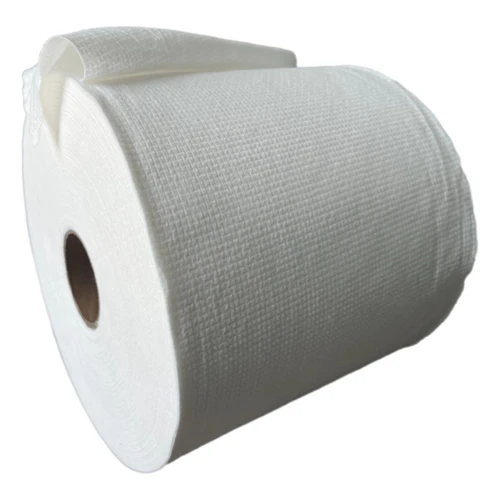
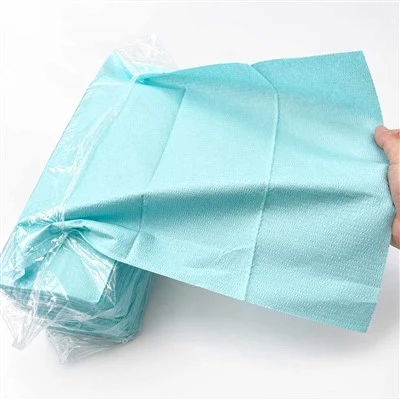
As a professional manufacturer, Weston focuses on producing Durable Foodservice Towels and Disposable Wipes For Food Service Application designed for real kitchen environments-not laboratory conditions, but fast-moving, high-frequency cleaning scenarios.
This article breaks down how modern kitchen cleaning wipes compare with traditional cloth rags, and why many foodservice operators are shifting toward engineered wiping solutions.
1. What Are We Really Comparing?
Before choosing a cleaning system, it's important to understand the three main categories used in kitchens:
1. Traditional Cloth Rags
Usually cotton-based textiles
Reused after washing
Low initial cost, but inconsistent performance over time
2. Durable Foodservice Towels
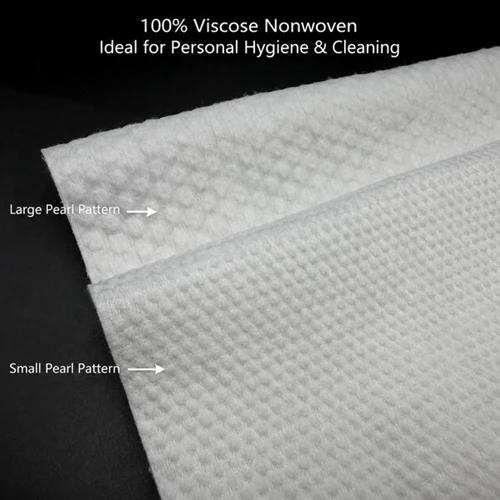
Engineered nonwoven or reinforced fiber wipes
Designed for multiple uses within controlled cycles
Strong wet strength and consistent absorption
3. Disposable Wipes For Food Service Application
Single-use or limited-use wipes
Designed for hygiene-critical zones
No laundering required

2. Why Weston Focuses on Engineered Wipes
Weston's production system is built around industrial wiping needs, especially for:
Food processing plants
Commercial kitchens
Catering operations
Beverage and dairy environments
Central kitchens and OEM cleaning brands
Instead of relying on traditional textile limitations, Weston develops wiping materials that support:
Stable hygiene performance
Reduced contamination risk
Controlled usage systems
Predictable cleaning efficiency
3. Traditional Cloths - Strengths and Limitations
Traditional cloths still exist for a reason. They are familiar, reusable, and widely available.
Advantages
Low upfront cost
Reusable after washing
Suitable for general cleaning
Good heat resistance (cotton types)
Limitations
Absorbs grease and retains odor over time
Hard to guarantee hygiene consistency
Requires industrial washing system
Risk of cross-contamination between tasks
Performance drops after repeated use cycles
4. Durable Foodservice Towels - Engineered for Stability
What Makes Them Different
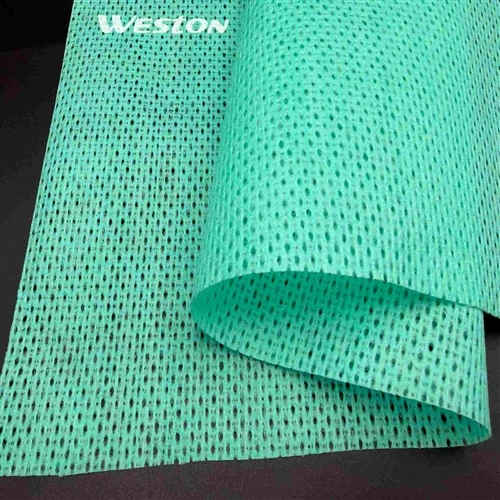
Weston's Durable Foodservice Towels are designed to replace unpredictable cloth performance with controlled functionality.
Key features:
Strong wet strength (does not easily tear when soaked)
Fast liquid absorption
Low lint output for food-contact areas
Consistent wiping performance across cycles
Suitable for multiple task separation systems
Where They Work Best
Stainless steel surfaces
Prep stations
Equipment wiping
General kitchen sanitation workflows
5. Disposable Wipes For Food Service Application - Hygiene-Focused Solution
In high-risk or high-turnover environments, reusable systems can become difficult to control.
This is where Disposable Wipes For Food Service Application are widely used.
Key Benefits
Single-use reduces cross-contamination risk
No laundry dependency
Predictable hygiene level every time
Easy to distribute across stations
Ideal for compliance-driven environments
Common Applications
Raw food preparation areas
Surface sanitization before service
Equipment quick wipe-down
Emergency spill cleaning

6. Kitchen Cleaning Wipes in Real Operations
The term kitchen cleaning wipes is often used broadly, but in real operations, performance differences matter more than naming.
Good kitchen wipes must solve three real problems:
Speed of absorption
Hygiene control between tasks
Ease of use under pressure
Weston designs kitchen cleaning wipes with these realities in mind, ensuring they perform consistently even in high-frequency cleaning cycles.
7. Comparison Table - Traditional Cloth vs Durable Towels vs Disposable Wipes
|
Feature |
Traditional Cloths |
Durable Foodservice Towels |
Disposable Wipes For Food Service Application |
|
Initial Cost |
Low |
Medium |
Low–Medium |
|
Reusability |
High |
Controlled reuse cycles |
Single-use |
|
Hygiene Consistency |
Low–Medium |
High |
Very High |
|
Cross-Contamination Risk |
High |
Medium–Low |
Very Low |
|
Absorption Speed |
Medium |
High |
High |
|
Maintenance Need |
High (laundry required) |
Low–Medium |
None |
|
Operational Efficiency |
Medium |
High |
Very High |
|
Best Use Case |
General cleaning |
Daily kitchen operations |
Hygiene-critical zones |
8. The Hidden Factor: System Cost vs Product Cost
Many operators only compare purchase price, but kitchen cleaning is a system-not a product.
Traditional Cloth System Costs
Washing labor
Water and detergent consumption
Drying energy cost
Replacement of worn cloths
Storage and handling
Weston Engineered Wipe Systems
Reduced laundering dependency
More predictable usage cycles
Lower contamination risk
Simplified workflow design
In many real operations, the "cheapest cloth" becomes the most expensive system over time.
9. Hygiene Reality in Foodservice Environments
Kitchens are high-pressure environments. Under pressure, cleaning tools are often misused unintentionally:
One cloth used across multiple zones
Wet cloths stored improperly
Inconsistent washing cycles
Shared towels between staff stations
Engineered wipes like Durable Foodservice Towels and Disposable Wipes For Food Service Application reduce dependence on human consistency and help standardize hygiene behavior.
10. Where Each Solution Fits Best
Traditional Cloths
Small-scale kitchens
Low turnover environments
Non-critical cleaning tasks
Durable Foodservice Towels
Central kitchens
Catering systems
Industrial food production lines
Daily structured cleaning routines
Disposable Wipes For Food Service Application
Raw food handling areas
High hygiene compliance zones
Fast-paced service environments
Cross-contamination-sensitive operations
11. Weston's Approach - Practical, Not Overcomplicated
Weston does not position wiping materials as "luxury products." Instead, the focus is:
Functional performance
Operational simplicity
Hygiene reliability
Scalable supply for B2B buyers
Whether it is Durable Foodservice Towels, Disposable Wipes For Food Service Application, or customized kitchen cleaning wipes, the goal is the same:
Make cleaning predictable in unpredictable environments.
Cleaning Systems Are Evolving
The shift away from traditional cloths is not about replacing everything. It is about building more stable cleaning systems.
Traditional cloths = flexible but inconsistent
Durable Foodservice Towels = balanced performance and reusability
Disposable Wipes For Food Service Application = highest hygiene control
For modern foodservice operators, the decision is no longer just "what to wipe with," but "what system reduces risk and improves consistency."
And that is where Weston's engineered wiping solutions are increasingly being adopted across global foodservice supply chains.