The Truth Your Plumbing Wishes You Knew
If there's one question that shows up again and again in bathrooms across the world, it's this:
"Are wet wipes actually flushable… or is that just clever marketing?"
We've all been there-standing over the toilet, holding a wipe that claims to be "flush-friendly" or "sewer-safe," wondering whether the pipes are going to betray you. For years, consumers, plumbers, and wastewater operators have argued about what "flushable" really means. And for years, wipes have been blamed for fatbergs, sewer blockages, and municipal nightmares.
So let's settle this once and for all-using real materials science, not packaging promises.
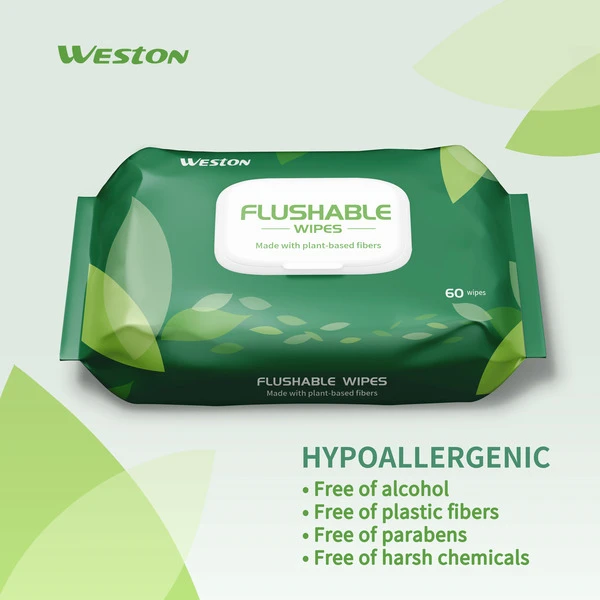
1. What Flushability Should Mean (But Often Doesn't)
A product is only truly flushable if it can safely travel from your toilet through household plumbing, into municipal pipes, through pumps, and finally through a wastewater treatment system without clogging, tangling, or lingering.
In science terms, a flushable wipe should be:
- Dispersible – breaks apart rapidly in moving water
- Biodegradable – decomposes naturally
- Free of persistent synthetic fibers – no long-lasting plastics
- Compatible with pumping systems – doesn't string, twist, or bind
The problem? Many wipes are built to be strong-really strong. They're engineered to scrub, polish, absorb, and stay intact while wet. That means lots of wipes are made with polyester, polypropylene, or other strong synthetic fibers. Those materials are fantastic for performance… and terrible inside your plumbing.
Most wastewater operators will tell you the same thing: "If it's not toilet paper, don't flush it."
But that's only because most wipes are not made from dispersible fibers.
2. Why Some Wipes Don't Break Down
To understand flushability, you need to understand fiber behavior.
When toilet paper hits water, it loses strength instantly. Why? It's made from short cellulose fibers with weak bonding that collapses under hydration.
A typical wet wipe, in contrast, has:
- Longer fibers
- Stronger entanglement
- Water-resistant strength
- Sometimes a chemical binder or reinforcement
These features make wipes great for cleaning your face or kitchen counter-but they also make them resistant to breakdown in water. Put many wipes in a slosh box test (a standard wastewater test), and they'll still look recognizable after hours of agitation.
That's why so many wipes end up clogging pumps, screens, and sewer mains. They simply weren't engineered to fall apart.
3. Are There Any Truly Flushable Wipes?
Here's the refreshing truth:
Yes-flushable wipes DO exist. But they must be made from the right materials.
The key is cellulose-based, plastic-free, water-dispersible nonwovens. These materials maintain enough strength for handling and wiping, but lose integrity rapidly when exposed to turbulence and hydration in plumbing.
A truly flushable substrate will:
- Break into small pieces after a short agitation period
- Avoid entangling itself into ropes or strands
- Leave no synthetic residue in water
- Pass industry tests such as INDA/EDANA GD4 criteria
- The trick is balancing durability (enough to wipe) with fragility (enough to break down fast).
This is where advanced spunlace nonwoven engineering comes in-especially plant-based blends that rely on fiber entanglement rather than plastic binders.
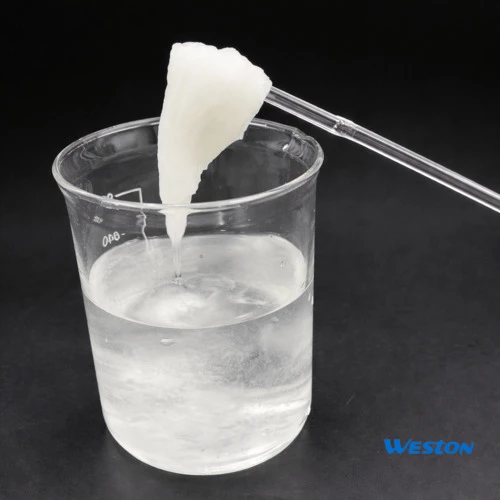
4. Why Plant-Based, Binder-Free Materials Matter
If flushability is the destination, plant fibers are the vehicle.
Cellulose, wood pulp, bamboo, and other plant-based fibers are:
- Hydrophilic - they absorb water
- Swell under hydration - weakening structure
- Biodegradable - break down naturally
- Friendly to wastewater systems - no microplastics
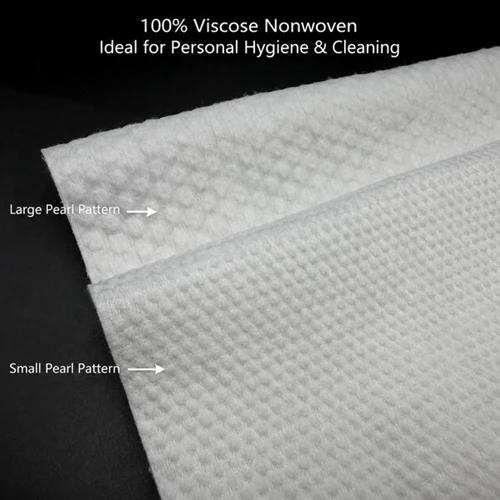
Spunlace technology uses high-pressure water jets to entangle fibers without glue or binders. That means once the material is exposed to water again-especially in turbulent conditions-those entanglements loosen and the wipe disperses.
In short:
Plant-based spunlace = strength when used, weakness when flushed.
Which is exactly the kind of "smart weakness" plumbing systems need.
5. How to Tell If Your Wipes Are Actually Flushable
Here's a simple, no-nonsense checklist:
✔ Look for "100% cellulose," "plant-based," or "plastic-free" materials
Synthetic fibers = NOT flushable.
✔ Avoid wipes containing polyester or polypropylene
If you see "PET," "PP," or "PE"-those wipes belong in the trash.
✔ The faster it disperses, the better
Try a home test:
Drop a wipe in a jar of warm water, shake, and see whether it breaks apart.
✔ Check for recognized dispersibility standards
INDA/EDANA GD4 is the most credible benchmark today.
✔ If the wipe feels too strong… it probably is
Flushability requires engineered fragility.
This isn't about fear-it's about good habits grounded in material science.
6. Why Flushability Matters for the Planet
Flushability isn't just a plumbing issue. It's an environmental one.
When wipes contain synthetic fibers, they don't just clog pipes-they contribute to microplastic pollution in waterways, soil, and ecosystems. A wipe flushed today can linger for decades.
- Plant-based, dispersible wipes prevent:
- Microplastic accumulation
- Sewer blockages and fatbergs
- Higher municipal cleaning costs
- Pump damage
- Wastewater system strain
The more we understand the biology of fibers and the physics of disintegration, the better choices we can make for our homes and the environment.

7. A Quick Word on Smarter Material Options
Some manufacturers are now producing wipes that strike this balance responsibly-especially those built using plant-based, plastic-free spunlace structures designed specifically for dispersibility.
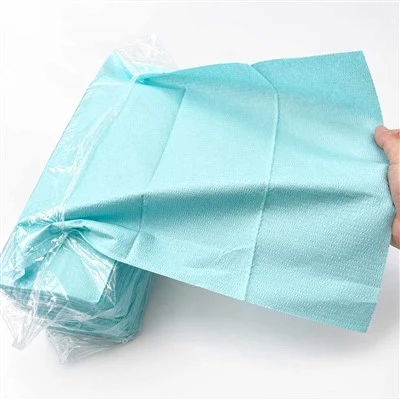
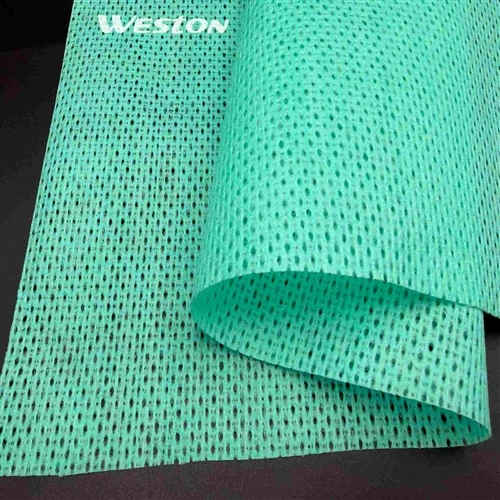
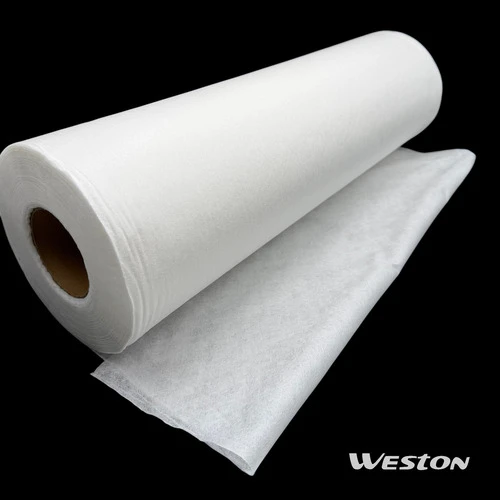
At Weston Nonwovens, for example, research teams have focused on substrates that behave like they should: gentle on skin, tough enough for wiping, and responsible once flushed. These materials are used for products like Toilet Paper & Seat Wipes, Plant-Based Flushable Spunlace Fabric, and Paper Alternative Flushable Wipes, offering brands a modern, environmentally aligned alternative to synthetic blends.
If you're developing a flushable wipe product line and need free samples, you can reach the team at info@westonmanufacturing.com.
Conclusion: Flushability Isn't a Marketing Term-it's a Science
So… are any wet wipes really flushable?
Absolutely-but only when the material is engineered for rapid dispersibility, biodegradability, and total plastic-free construction.
Most wipes on shelves today still don't meet that standard, and the safest rule remains: If you're unsure, don't flush it.
But thanks to modern nonwoven technology-especially advanced plant-based spunlace-truly flushable wipes are not only possible, they're becoming more available. The next generation of materials is smarter, cleaner, and designed with plumbing systems and the planet in mind.
And that's something your bathroom-and the environment-will thank you for.