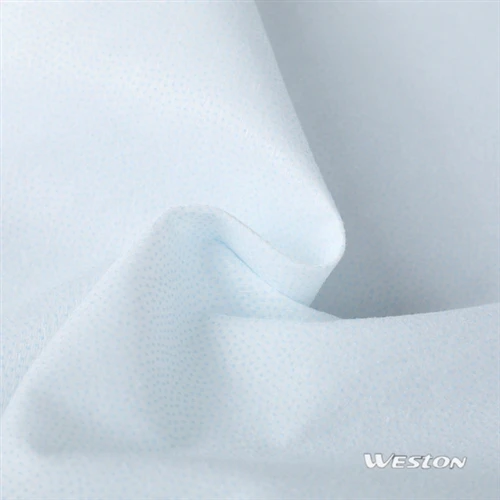
Sensitivity is not a niche concern-it is a material-science challenge with operational implications. For professional buyers, the question "Are cotton pads safe for sensitive skin?" isn't answered by soft touch alone. It demands a structured evaluation of fiber origin, processing chemistry, surface topology, liquid transport behavior, mechanical strength when wet, and risk controls across multi-skin-type populations. This article provides a rigorous, practical framework-grounded in dermatologic principles and nonwoven engineering-to support confident specification decisions. Marketing claims sit in the back seat; measurable performance takes the wheel.

Defining "Sensitive Skin" in Operational Terms
Physiologic variability: Sensitive skin often presents with heightened neurosensory responses, impaired barrier function, and increased trans-epidermal water loss. In practice, that means lower tolerance for friction, surfactant residues, and occlusive films.
Procurement-relevant variables: For pads and wipes, the friction coefficient, fiber fineness, surface roughness (Ra), residual chemical load, and wet-strength behavior govern user comfort and post-use skin condition.
Clinical reality in workflows: In makeup removal, toner application, or post-procedure cleansing, repeated micro-friction events add up. A material that is "soft" dry can still be abrasive when saturated, folded, and used under pressure.
Cotton vs. Sensitive Skin: The Core Safety Factors
Fiber morphology: Mature cotton fibers (ribbon-like with natural convolutions) provide inherently soft face contact. However, cut-end exposure and uneven fiber orientation in certain pad constructions can raise micro-abrasion risk.
Surface energy and capillarity: Cotton's hydrophilic nature enables fast wet-out and liquid distribution, reducing dry drag. Balanced absorb-release is essential to avoid over-rubbing caused by insufficient pickup or poor release.
Residuals and finishes: Bleaching, scouring, and softeners alter hand feel and purity. Residual chemicals-even at low levels-can provoke stinging or erythema in sensitive users.
Lint behavior: Free-fiber shedding can cause visual residue and tactile irritation. Low-lint constructions mitigate perceived harshness and secondary contamination of creams or gels.
Wet mechanical integrity: Pads that deform, delaminate, or pill under wet stress increase friction and the number of passes required.
Bottom line: Cotton pads can be safe for sensitive skin when their construction, finishing, and liquid-handling dynamics are controlled to minimize friction, chemical triggers, and lint.
What "Soft" Should Mean: From Sensation to Metrics
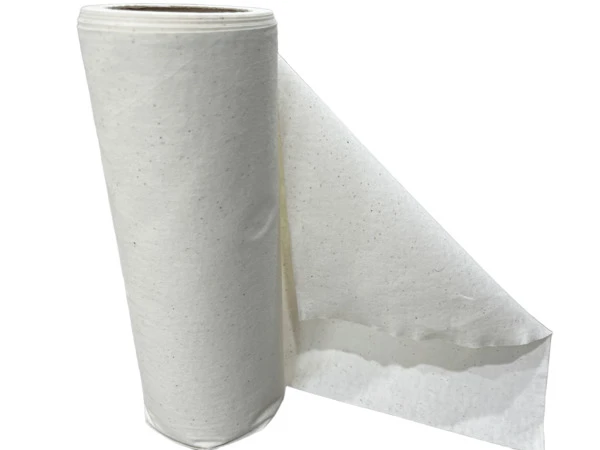
Coefficient of friction (CoF): Lower CoF correlates with gentler glide. However, overly slick surfaces may require more passes for residue removal. Optimal CoF balances glide and pickup.
Compressibility and recovery: A pad must compress to conform to facial contours (periorbital, nasolabial) yet recover to maintain structure. Excess collapse raises local pressure points.
Basis weight and bulk: Heavier isn't always gentler; too much bulk can harbor unneeded liquid, increasing drip and user pressure. Right-weight engineered pads achieve soft contact without saturation penalties.
Edge architecture: Laser or die-cut edges should minimize sharp fiber ends. Multilayer pads should avoid exposed inner webs that snag when folded.
Risk Map: Triggers That Aggravate Sensitive Skin
Micro-abrasion: From coarse fibers, protruding cut ends, or stiff binders; worsened by repetitive wiping.
Residual chemistry: Oxidizers, finishing agents, or fragrances may provoke stinging or redness.
Excessive passes: Poor absorb-release kinetics force multiple wipes; cumulative friction is the enemy.
Lint interference: Fiber debris can mix with oils or pigments, requiring additional removal.
Temperature and hydration state: Very dry pads increase drag; overly wet pads drip and encourage scrubbing.
Cotton Pad Constructions: What Matters in the Spec
Carded nonwovens: Widely used; quality depends on fiber length distribution, web uniformity, and bonding method.
Hydroentangled (spunlace) cotton: High-pressure water jets entangle fibers without binders, often yielding cleaner surfaces and better drape with reduced lint.
Multilayer laminates: Can combine soft contact layers with a structural core; risk lies in interlayer delamination during heavy wet use.
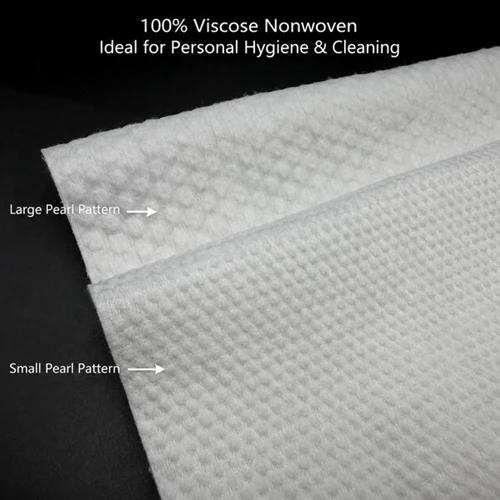
Embossing and patterning: Increases contact efficiency and debris lifting but must avoid high-relief edges that increase point pressure.
When Cotton Pads Are a Good Fit
Sensitive-skin cleansing routines with light to moderate residue loads.
Toner application requiring even release without streaking.
Eye-area makeup removal when paired with compatible removers and minimal passes.
Post-procedure environments where low-lint, low-residual materials are preferred (non-sterile contexts).
When Cotton Pads May Not Be Ideal
Heavy pigmented or waterproof cosmetics requiring aggressive solvents and repeated passes.
Situations demanding extremely low-shear contact where gel pads or ultra-low CoF substrates outperform.
Protocols needing highly directional fluid control (e.g., certain procedural settings) that benefit from engineered channeling.
Due Diligence Framework for Buyers
Material declaration: Confirm cotton content, finishing steps, and absence of unnecessary fragrance additives.
Surface metrics: Request CoF, linting data, absorb-release curves, and wet tensile values.
Real-use trials: Test with your actual removers/toners, target residues, and wiping protocols.
Edge integrity: Inspect cut quality, fiber protrusion, and delamination risk after wet folding.
User feedback loop: Capture reports on glide, residue pickup, redness, or stinging in sensitive cohorts.
Practical Use Protocols That Reduce Irritation
Pre-wet appropriately: Slight dampness reduces initial drag; avoid over-saturation.
Minimize passes: Use pads with efficient pickup to reduce repetitions.
Fold strategy: Quarter-fold to create soft edges and broaden contact surface.
Pressure control: Favor slow, steady glides over brisk scrubbing.
Post-use check: Ensure no lint remains in periocular areas; adjust pad choice if residue persists.
The Lint Question: Why It Matters

Lint is more than cosmetic. Fiber debris can:
Trap oils and pigment, requiring extra passes.
Interact with actives, altering distribution.
Accumulate in lashes or pores, raising discomfort.
Engineered cotton spunlace with optimized entanglement and long-staple inputs can dramatically reduce lint, especially in wet conditions.
Chemical Residuals and Finishing
Scouring/bleaching: Necessary for cleanliness and whiteness; must be controlled to minimize residues.
Softeners: Improve hand feel, but heavy deposition can leave films on skin. Choose clean-finishing processes with measured add-on levels.
Wetting agents: Assist rapid wet-out; overuse may irritate sensitive skin. Balance is key.
For professional buyers, insist on clear finishing disclosures and residue targets aligned to sensitive use.
Environmental and Ethical Considerations
Fiber provenance and processing efficiency impact both sustainability and skin acceptability.
Reusability vs. single-use: High-quality pads may enable reduced consumption due to fewer passes per session.
Packaging design: Dispenser formats that protect cleanliness and reduce user over-pull minimize waste and contamination risk.
Tying It Back to Performance Economics
Reduced passes save technician time and limit cumulative friction on sensitive skin.
Lower lint decreases rework and improves client comfort scores.
Stable wet strength reduces pad breakage and mid-task replacement.
These operational gains matter at scale for clinics, spas, and professional studios.
Where Cotton Pads Excel Scientifically
Hydrophilicity: Rapid wet-out supports gentle glide and efficient transfer of hydrophilic toners.
Thermal neutrality: Cotton tends to feel neutral to slightly cool on contact, a comfort factor in sensitive zones.
Biocompatible touch: Properly finished cotton offers a familiar, non-squeaky tactile experience that reassures end users.
Where Specification Discipline Is Essential
Avoid excessive emboss relief that concentrates force.
Specify edge finishing that minimizes protruding fibers.
Optimize basis weight to balance structure and conformability.
Confirm consistent web formation to prevent rough local patches.
Integrating Pads into Multistep Routines
Pre-cleanse: Use a damp pad to soften debris and reduce initial drag.
Cleanse: Pair with compatible removers-ensure pad holds but also releases to avoid overworking the skin.
Tone: Leverage even release; aim for single-pass coverage.
Finish: Use a clean, lightly damp pad for a final sweep; inspect for lint.
FAQs for Professional Validation
Are cotton pads inherently hypo-irritant? Not inherently; safety depends on finishing purity, surface smoothness, and usage technique.
Do thicker pads protect sensitive skin better? Only if compressibility and edge quality are optimized; bulk alone isn't protective.
Is "organic" always gentler? Farming origin and fiber purity are distinct from finishing chemistry and surface engineering. Evaluate both.
Selecting the Right Cotton Pad Portfolio
Consider segmenting by task:
Eye-area removal: Extra-soft, low-relief, high-conformability pads.
Foundation removal: Moderate bulk with controlled emboss for debris lift.
Toner delivery: Even release, stable when wet, low lint.
Test Methods Worth Requesting
Linting index under wet torsion.
CoF on hydrated synthetic skin substrates.
Absorb-release profiles across common toner viscosities.
Edge fray assessment after five fold-and-wring cycles.
How This Translates to Procurement Specs
Basis weight: Target a range supporting single-pass performance without drip.
Construction: Hydroentangled cotton for low-lint requirements.
Finishing: Clean, low-residual processing; fragrance-free base.
Cutting: Precision-cut edges; consider rounded corners for ultra-sensitive routines.
Packaging: Dust-controlled, easy-dispense formats that protect pad edges.
Quietly Confident: Cotton Pads Can Be Safe-When Engineered Right
With the right construction, finishing, and protocol, cotton pads consistently support sensitive-skin routines by minimizing friction, reducing chemical triggers, and controlling lint. The objective is not "soft at any cost," but "soft with structure and stability."
A Note for Professional Buyers Evaluating Weston Nonwoven Options
Weston Nonwoven develops cotton-based solutions with measured attention to glide, lint discipline, and wet integrity. Where relevant to sensitive skin and professional workflows, consider how these options map to your protocols:
Ultra-Soft Cotton Makeup Pads For Sensitive Skin: Engineered for gentle glide and minimal lint in periocular and high-sensitivity zones.
Cotton Face Cleansing Wipes: Designed for balanced absorb-release and consistent wet strength in daily professional use.
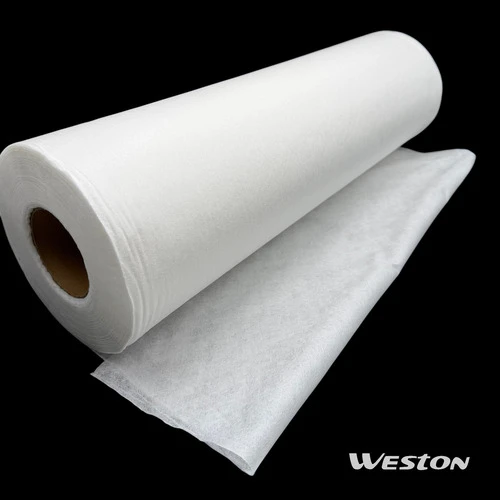
150gsm Cotton Spunlace Nonwoven Rolls: Bulk, dispenser-friendly supply for back-bar operations requiring custom sizing and efficient throughput.
Organic Cotton Square Pads: For buyers prioritizing fiber provenance alongside surface smoothness and low residuals.
Implementation Playbook: From Trial to Scale
Pilot: Test two to three constructions against your top three tasks (eye removal, foundation lift, toner application).
Measure: Track passes per task, reported comfort, visible lint, and pad integrity post-use.
Train: Standardize wiping pressure and fold methods to lower variability.
Rollout: Align SKUs to station type; ensure dispenser compatibility and predictable pull force.
Advanced Considerations for Ultra-Sensitive Use
Temperature preconditioning: Slightly warm pads can reduce neurosensory reactivity for some users; verify protocol alignment.
Solvent moderation: Pre-dilution of aggressive removers, where appropriate, can lower friction events.
Layering: For extremely reactive skin, use a smooth-face pad with a micropore barrier serum to reduce shear.
Common Misconceptions, Clarified
"All cotton is equal." Fiber length, maturity, and processing dramatically change skin feel and lint.
"Soft equals safe." Without low lint and wet stability, "soft" can still irritate under real use.
"Higher basis weight is always better." Not if it increases drag, drip, or user pressure.
Sourcing Checklist for Sensitive-Skin Programs
Confirm hydroentangled construction for low-lint performance where required.
Validate finishing chemistry and residual targets appropriate for facial use.
Review cut quality under magnification; check for burrs and protrusions.
Test with your own removers and toners; simulate actual technician pressure and cadence.
Build a feedback loop with field users; iterate SKU selection accordingly.
Signal Indicators of a Good Fit
Users report fewer passes and less drag without sacrificing residue removal.
Minimal lint observed on dark pigments and reflective nail surfaces.
Pads maintain shape after wet folding; no edge fray or pilling.
Even release of toners with minimal drip or cold spots.
Strategic Outcome
When cotton pads are specified with discipline and tested against real protocols, they can be safe, effective, and trusted for sensitive skin. The practical path to success lies in engineering details-fiber selection, entanglement, finishing purity, edge integrity-and the training that ensures those advantages reach the client's skin.
For technical consultation or to request evaluation units and free sample discussions of Ultra-Soft Cotton Makeup Pads For Sensitive Skin, Cotton Face Cleansing Wipes, 150gsm Cotton Spunlace Nonwoven Rolls, or Organic Cotton Square Pads, contact Weston Nonwoven at: info@westonmanufacturing.com