A Comprehensive Look at the Evolution and Future of Disposable Wipes
In a world where convenience often defines consumer choices, disposable wipes have emerged as a staple of modern living. From personal hygiene to household cleaning, these versatile tools have revolutionized the way we approach cleanliness. But what lies beneath their surface convenience? This article delves into the history, science, and environmental considerations of disposable wipes, focusing on innovations like Quick Clean Wipes that aim to redefine the standards of this ubiquitous product.
The Growth of the Disposable Wipe Market
Disposable wipes have seen explosive growth in recent decades. As of 2023, the global disposable wipes market is valued at $16.5 billion and is projected to grow at a CAGR of 5.3% through 2030. The demand is driven by increasing hygiene awareness, urbanization, and the versatility of applications.
Market Segmentation
|
Segment |
Revenue (2023, $ Billion) |
Growth Rate (CAGR) |
|
Baby Wipes |
5.8 |
4.7% |
|
Personal Care Wipes |
4.2 |
6.1% |
|
Household Cleaning |
3.5 |
5.8% |
|
Medical & Industrial |
3.0 |
5.0% |
This segmentation underscores the dominance of baby wipes, but the rise of household cleaning solutions like Quick Clean Wipes signals a growing shift in consumer preferences.
Science Behind Disposable Wipes
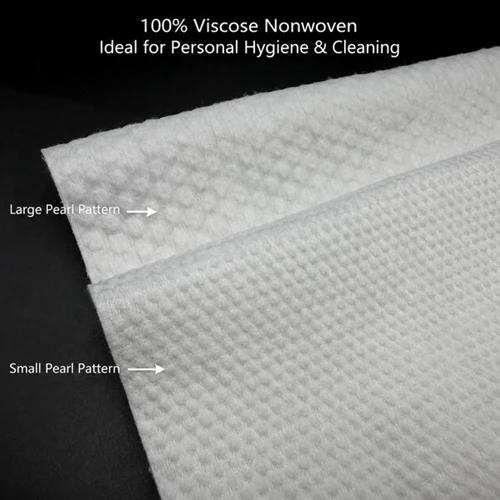
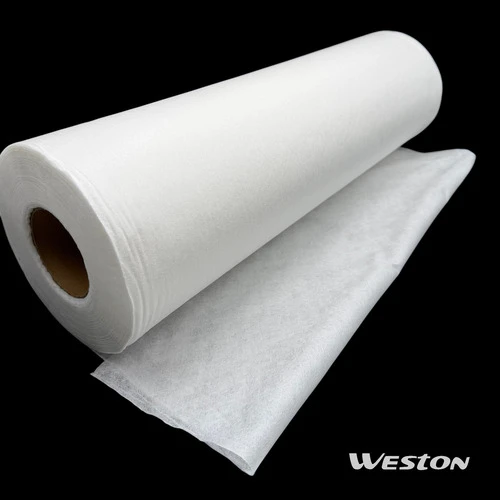
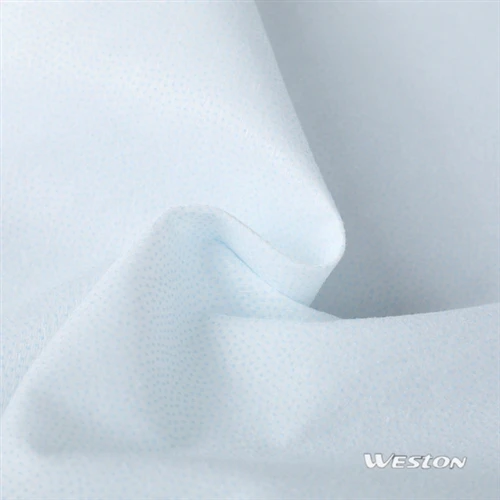
Disposable wipes are engineered for efficiency, durability, and convenience. At their core, they consist of nonwoven fabrics created through processes like spunlace, which bonds fibers using water jets to produce strong yet soft materials.
Composition Breakdown
Fibers: A mix of synthetic (e.g., polyester) and natural fibers (e.g., cotton, viscose).
Additives: Antimicrobial agents, moisturizers, and cleaning solutions tailored to the wipe's purpose.
Environmental Focus: Increasingly, products like Quick Clean Wipes incorporate biodegradable materials such as bamboo or lyocell to address sustainability concerns.
Data Visualization: Fiber Composition in Modern Wipes
|
Fiber Type |
Percentage in Wipes |
|
Polyester |
40% |
|
Viscose |
30% |
|
Cotton |
15% |
|
Biodegradable Fibers |
15% |
This transition towards biodegradable options reflects rising consumer and regulatory pressures for sustainable practices.
Environmental Impact: The Elephant in the Room
While the convenience of disposable wipes is undeniable, their environmental footprint has sparked intense scrutiny. Approximately 14.5 billion wipes are discarded annually in the U.S. alone, contributing significantly to landfill waste and marine pollution.
Key Statistics
Landfill Contributions: Wipes make up 5% of all landfill waste.
Flushability Issues: 90% of sewer blockages involve non-flushable wipes.
Decomposition Time: Traditional synthetic wipes take up to 100 years to break down.
Innovations for Change
Brands like Quick Clean Wipes are pioneering eco-friendly designs by:
Using biodegradable materials like bamboo spunlace.
Ensuring compliance with flushability standards.
Reducing packaging waste through recyclable options.
Data Visualization: Comparison of Decomposition Times
|
Material Type |
Decomposition Time |
|
Traditional Synthetic |
100 years |
|
Bamboo Spunlace |
3-6 months |
|
Cotton |
5-6 months |
Use Cases and Consumer Benefits
Disposable wipes cater to a wide range of applications. The versatility of products like critical-task-wipes makes them indispensable in modern households, workplaces, and outdoor settings.

Application Insights
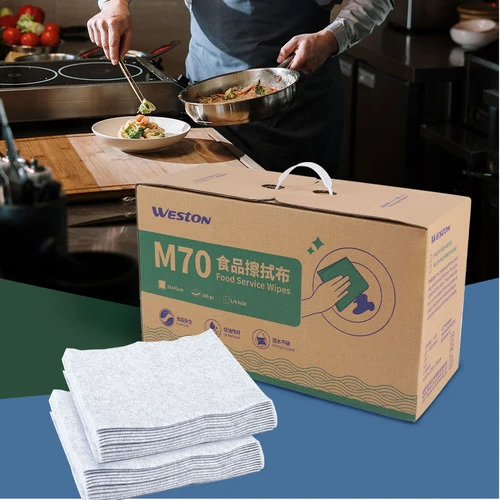
Household Cleaning: From kitchen countertops to electronic screens, these wipes offer streak-free, quick cleaning solutions.
Personal Hygiene: Essential during travel, workouts, or outdoor activities, providing on-the-go freshness.
Medical & Industrial Uses: Sterile wipes are critical in healthcare for disinfecting surfaces and equipment.
Case Study: Quick Clean Wipes
"As a working parent, I rely on Quick Clean Wipes to keep my home spotless without the hassle of traditional cleaning," shares a satisfied customer. Their portability, combined with eco-conscious design, makes them a standout choice for busy lifestyles.
Future Trends in Disposable Wipes
As consumer awareness and environmental regulations evolve, the disposable wipes industry is undergoing significant transformations.
Predicted Innovations
Smart Wipes: Embedded with sensors to monitor surface cleanliness.
Zero-Waste Wipes: Fully compostable products with reusable packaging.
Enhanced Biodegradability: Advances in materials science will reduce decomposition time further.
Market Projections
|
Year |
Global Market Value ($ Billion) |
|
2023 |
16.5 |
|
2025 |
18.2 |
|
2030 |
21.5 |
The era of disposable wipes is far from over, but its future hinges on sustainable innovation. As brands like Quick Clean Wipes lead the charge, the industry is poised to balance convenience with environmental stewardship. The question remains: Can the industry wipe the slate clean and redefine itself for a more sustainable future?