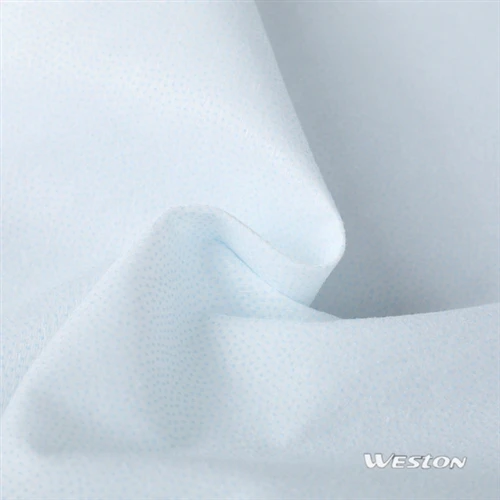
Several types of thermoplastic polymers are suitable for melt-blown technology, with each offering unique properties and characteristics. The choice of polymer depends on the specific application requirements, including filtration efficiency, barrier performance, mechanical strength, chemical resistance, and cost considerations. Some of the most commonly used polymers for melt-blown technology include:
Polypropylene (PP): Polypropylene is one of the most widely used polymers for melt-blown technology due to its excellent balance of properties. PP melt-blown fabrics exhibit high filtration efficiency, good barrier properties against liquids and particles, and resistance to moisture, chemicals, and abrasion. PP is commonly used in applications such as air and liquid filtration, medical masks, protective apparel, and hygiene products.
Polyethylene (PE): Polyethylene, including both low-density polyethylene (LDPE) and high-density polyethylene (HDPE), can also be used in melt-blown technology. PE melt-blown fabrics are known for their softness, flexibility, and excellent chemical resistance. They are often used in applications such as absorbent products, medical drapes, and protective covers.
Polyester (PET): Polyester is valued for its high strength, durability, and resistance to heat and chemicals. PET melt-blown fabrics offer good mechanical properties, dimensional stability, and resistance to environmental factors. They are commonly used in applications such as automotive filtration, geotextiles, and industrial wipes.
Polyamide (PA/Nylon): Polyamide fibers, such as nylon 6 and nylon 6,6, can be used in melt-blown technology to produce fabrics with excellent mechanical strength, abrasion resistance, and thermal stability. Nylon melt-blown fabrics are often used in specialty applications such as automotive air filtration, industrial wipes, and protective apparel.
Polylactic Acid (PLA): PLA is a biodegradable polymer derived from renewable resources such as corn starch or sugarcane. PLA melt-blown fabrics offer good biodegradability, low toxicity, and compatibility with food contact applications. They are used in eco-friendly products such as compostable wipes, food packaging, and agricultural textiles.