Which Towels Dry the Quickest?
The Damp Towel Reality
You step out of the shower or finish a spa treatment, grab a towel, and it stays damp for hours. Meanwhile, your friend's towel is dry by evening. This isn't luck-it's engineering. Different towel materials, weights, and structures are designed with completely different goals in mind. Some prioritize absorbency above all else; others are built for speed. Understanding the difference reveals why some towels dry in hours while others cling to moisture like it's precious cargo.

How Towels Actually Work: Absorption vs. Evaporation
Towels do two separate jobs, and they're often at odds with each other.
Absorption is straightforward. Water enters the towel fibers through capillary action-a physical force where water molecules are attracted to fiber material more strongly than to each other. Cotton is excellent at this because its cellulose fibers have hydroxyl groups that bond chemically with water molecules. A single cotton fiber can absorb up to 9 times its own weight in water.
But absorption isn't drying. Evaporation is where actual drying happens. Moisture must escape from the towel into the air. The problem is that a towel designed only for maximum absorption becomes a moisture trap. The water bonds so tightly to the fibers that it takes forever to release.
This is the fundamental tension in towel design: the most absorbent towels dry slowest, while the fastest-drying towels sacrifice some absorbency for speed. The best towels find a practical balance.
Weight and Density: Why Lighter Wins for Speed
Towel weight is measured in GSM (grams per square meter), and this single number controls the speed-versus-softness trade-off.
Consider the numbers honestly, based on how the industry actually works. Traditional woven cotton bath towels range from 100-120 GSM. However, modern disposable bath towels made from spunlace nonwoven fabric operate in a completely different range: typically 50-100 GSM. This is where speed lives.
Why does weight matter so much? Dense, heavy towels create a problem: water gets trapped inside. When moisture tries to evaporate, it must travel through layers of tightly packed fibers before reaching open air. The path is long, and the air pockets are limited. Evaporation slows dramatically.
A lightweight towel exposes moisture to the air much more quickly. There's simply less material blocking water's escape route. At 60-100 GSM, a spunlace towel dries in hours, not days. The trade-off is real though-you lose some of the plush, cushioned feeling of heavier towels, but you gain practicality.
For everyday use, the sweet spot sits between 60-150 GSM. This range gives adequate absorbency while keeping drying time reasonable.
Material Wars: Which Fiber Wins at Speed?
Different fibers have fundamentally different relationships with water.
Cotton: Hydrophilic (water-loving) through and through. Cotton bonds chemically with water molecules, creating strong attraction. This makes cotton supremely absorbent. The downside is that water doesn't want to leave. Traditional cotton towels in the 150+ GSM range take 12-24 hours to dry completely, even with good air circulation. The heavier the cotton towel, the longer it lingers damp.
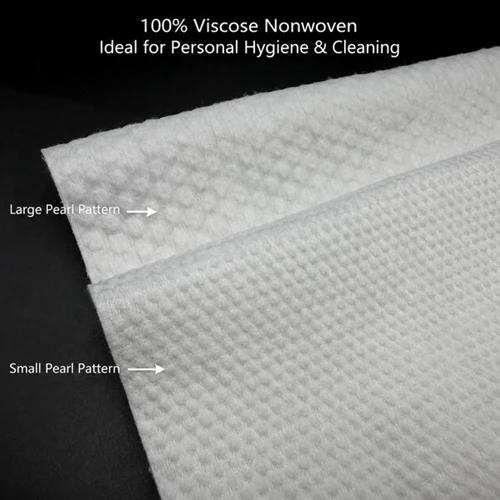
Wood Pulp and Viscose (in Spunlace): These materials offer a middle path. They're absorbent like cotton, but they don't bond as aggressively with water. The structure of spunlace nonwoven fabric-created through hydroentanglement-creates a more open, airy structure than woven cotton. Water sits in the material's surface and mechanical pockets rather than bonding chemically deep inside. The result: faster drying while maintaining good absorbency. At 80-120 GSM, spunlace towels typically dry in 4-8 hours.
Microfiber: This is the speed champion. Microfiber is made from ultrafine synthetic fibers (polyester and polyamide) that are split during manufacturing, creating millions of microscopic pockets. The key is that microfiber is hydrophobic (water-repelling). Water doesn't bond chemically to synthetic fibers like it does with cotton. Instead, water sits mechanically in those tiny pockets and releases much more easily. Microfiber towels can absorb up to seven times their weight in water but shed it almost as quickly. Drying time often falls under 2-3 hours, sometimes faster.
Bamboo and Rayon: These materials split the difference between cotton and synthetics. Bamboo has a microstructure that makes it three times more moisture-wicking than standard cotton. Water moves through the fiber faster, and evaporation happens more readily. Bamboo towels typically dry 30-50% faster than equivalent cotton but still retain that natural, skin-friendly feel.
Construction Methods: Where Water Gets Trapped or Released
The way a towel is made determines whether moisture escapes easily or stays put.
Traditional Terry Cloth (Looped): The classic design features raised loops that create tremendous surface area. Those same loops create pockets where water gets comfortable and lingers. Terry cloth is excellent for absorbency but terrible for speed. The loops trap air, slowing evaporation significantly.
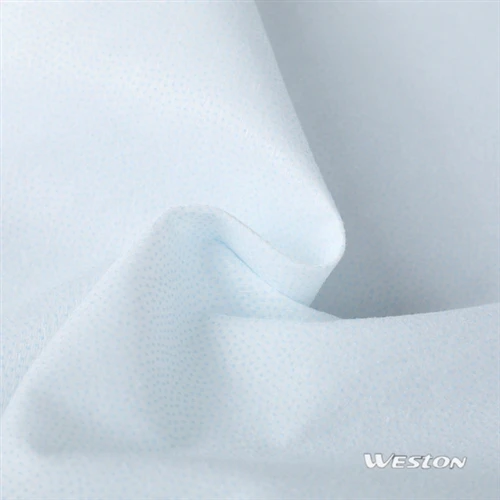
Spunlace Nonwoven (Flat): Modern spunlace uses a flat, tightly woven structure with no loops. The hydroentanglement process creates a fabric where fibers are mechanically bonded rather than stitched into loops. Water sits on the surface and releases efficiently. There are no deep pockets for moisture to hide in, making this flat structure, combined with the lighter weight of spunlace products, ideal for fast drying.
Waffle Weave: The speed demon of traditional weaving. Waffle-weave towels have virtually no loops-just a lightweight, textured grid pattern. Air flows through freely. Moisture can't get trapped, resulting in impressive drying times: 2-4 hours on average. The trade-off is lower absorbency compared to thick terry cloth, but what it absorbs, it releases immediately.
Zero-Twist Construction: Some premium cotton towels skip the twisting process, using longer fibers that remain untwisted. This keeps the fiber structure more open and actually speeds drying slightly compared to standard twisted cotton. Still not fast by modern standards, but notably better than conventional alternatives.
The Physics of Evaporation: Environment Matters More Than You Think
A genuinely fast-drying towel still needs the right conditions. Understanding evaporation explains why the same towel dries at vastly different rates in different places.
Water evaporates when moisture molecules escape from liquid into vapor. The speed depends on three factors, listed by importance:
Humidity (Dominant): Low humidity equals fast drying. High humidity equals slow drying. This is the overwhelming factor. On a dry day indoors with air conditioning running, humidity might sit at 40%. Water escapes readily. On a humid day or in a bathroom with no ventilation, humidity might hit 80-90%. The air is already saturated with moisture, so evaporation slows to a crawl. A fast-drying towel in low humidity might finish in 2 hours, while the same towel in high humidity could take 6-8 hours.
Air Circulation (Secondary): A stationary towel creates a microclimate of humid air trapped around itself, which slows evaporation. A fan, breeze, or clothesline outdoors constantly replaces saturated air with fresh, drier air. This single factor can cut drying time in half. A towel hanging flat with air moving across both sides dries faster than one bunched on a rack.
Temperature (Minor): Warmer air holds more water vapor, which speeds evaporation slightly. A warm, dry day beats a cold, wet day every time. However, temperature is secondary to humidity; cold, dry air dries faster than warm, humid air.
Surface Exposure: How you hang the towel matters. Folded or bunched towels trap moisture against themselves. Spread out flat with maximum surface area exposed? That leads to dramatically faster drying.
Real-World Drying Times: What Actually Happens
These timelines assume standard indoor conditions (air conditioning running, typical humidity, normal room temperature, towel hung flat or on a rack):
Traditional Towels:
Thick cotton (200+ GSM): 16-24+ hours
Standard cotton (100-200 GSM): 10-16 hours
Lightweight cotton (60-70 GSM): 6-10 hours
Modern Spunlace and Lightweight Alternatives:
Cotton facial towel (80-120 GSM spunlace): 3-6 hours
Disposable bath towels (60-100 GSM spunlace): 2-4 hours
Blended spunlace (100-150 GSM): 4-8 hours
Pure microfiber (150-300 GSM): 1-3 hours
The numbers tell a clear story: modern lightweight materials, especially spunlace nonwoven products, outpace traditional thick cotton by a factor of 5-10x in drying speed.

When Speed Matters, When It Doesn't
Fast drying isn't always the goal. High-end hotels still choose 500+ GSM cotton because guests expect luxury and plushness. Athletes and gym enthusiasts need speed-they're using the same towel multiple times in one day, so quick drying is essential. Travelers pack lightweight options because size and weight matter more than comfort.
For home use, here's the practical truth: if your towels stay damp for more than 8-10 hours, they'll develop odor and bacterial growth. A towel that dries in 4-6 hours is genuinely better for hygiene and sanity than one that takes 18 hours. You don't need microfiber or competition-level speed, but you need better than thick cotton.
The Hybrid Advantage: Having Your Cake and Eating It Too
Modern towel design stopped treating speed and comfort as enemies. The best solutions combine both.
One proven approach is lightweight cotton or spunlace cotton facial towels (80-120 GSM) that use treated fibers to maintain softness despite lower weight. The reduced mass means faster drying without completely sacrificing the natural feel.
Another strategy involves blended fabrics that mix cotton surface with microfiber or viscose backing. The cotton provides initial softness and water uptake, while the synthetic layer underneath rapidly wicks moisture away and facilitates evaporation. These towels feel natural but dry noticeably faster than pure cotton at the same weight.
The most practical innovation recognizes that different towels serve different purposes: heavy, plush towels for occasional luxury use, lightweight spunlace towels for daily bathroom use where drying speed prevents mildew and odor, and microfiber for sports and travel. This mix covers all needs without compromise.
Why the Industry is Shifting to Lightweight Materials
There's a reason spunlace nonwoven fabrics dominate the disposable and spa towel market. These materials solve real problems:
Faster drying: 4-8 hours instead of 18-24, meaning no bathroom funk
Lower material cost: 80-120 GSM instead of 500+ GSM for efficiency
Reduced environmental footprint: Less water needed for washing and drying
Hygienic advantage: Quick drying inhibits bacterial growth
Space efficiency: Lighter towels take up less storage space
Practical absorbency: Good enough for most uses without overkill
Spas, gyms, and hotels increasingly stock these products because they work.

The Verdict: What Should You Actually Buy?
For daily bathroom use: A 70-100 GSM spunlace towel or lightweight cotton blend will dry in 4-6 hours and cost less than heavy alternatives. You're getting 80% of the luxury feel with 20% of the drying time.
For occasional luxury: Keep a 50+ GSM cotton towel for those moments when you want that plush feeling. Use it less frequently and accept the longer drying time, or tumble dry it to preserve its quality.
For active use (gym, sports, travel): Choose microfiber or lightweight spunlace at 100-150 GSM. Speed matters more than softness in these contexts.
For spas and professional environments: Spa facial towels and cotton facial towels in the 80-120 GSM range hit the sweet spot between softness, absorbency, and practical drying speed.
The choice ultimately depends on your priorities. If you've been accepting damp, slow-drying towels as normal, it's time to reconsider. The physics and material science have solved this problem. Lighter materials, especially modern spunlace nonwoven fabrics, genuinely do dry faster while still performing their basic job effectively. The trade-off between luxury and practicality is far smaller than most people think.
Speed doesn't require sacrifice-just better engineering.