What Are the Best Floor Wipes?
A Saturday morning. The kitchen smells like coffee, but the floor tells another story: crumbs, dried juice, and a sticky patch nobody remembers. You open the cupboard and face a quiet choice: a quick disposable floor wipe or the thicker reusable pad on your spray mop. Both promise a clean floor, but they work very differently, and what is "best" depends on what you really need.

What "Best" Really Means
For floor wipes, "best" is not about fancy slogans. It's about how well they fit your home, your floor, and your routine. Consider a few simple questions:
Does it actually lift dirt and grease, or just move it around?
Is it safe for kids, pets, and your floor surface?
How quickly can you use it when life gets busy?
How much waste and cost does it create over time?
A practical way to compare is to look at a few core points: cleaning power, surface safety, time and effort, cost per use, and waste. A basic table or radar chart here would effectively show the strengths and weaknesses of each type of wipe.
What Makes a Floor Wipe Work
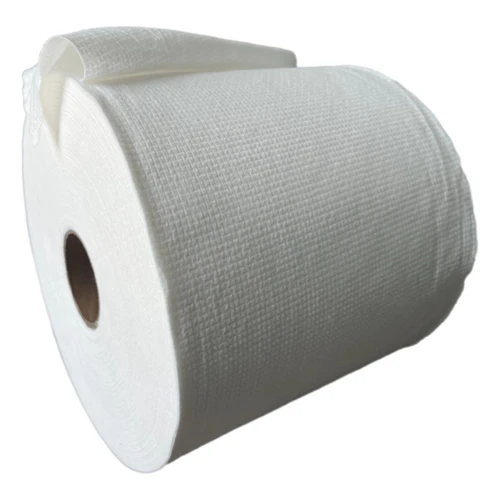
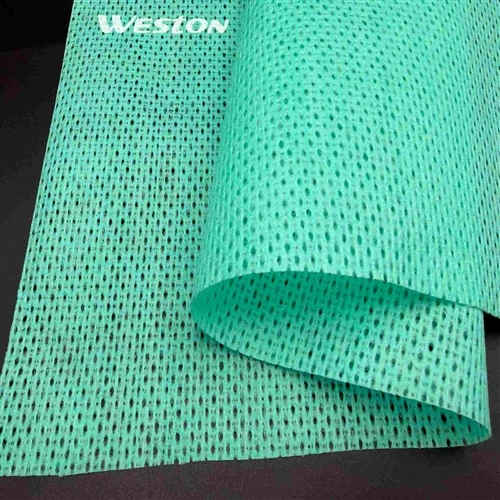
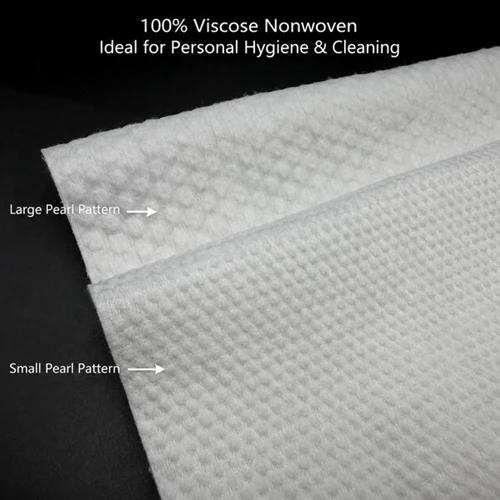
Every floor wipe has three main elements: the base material, the pattern on the surface, and the cleaning liquid (for wet wipes). The base material can consist of plastic-based fibers, plant-based fibers, or a mix. This affects how strong the wipe is, how much liquid it holds, and whether it releases lint. The pattern (embossing) creates tiny ridges that catch dust, hair, and crumbs more effectively.
For wet wipes, the liquid generally contains water, mild cleaning agents, and sometimes solvents, often with fragrance and preservatives. A good formula cleans without leaving a heavy film and does not damage sensitive surfaces like hardwood. A close-up photo or micrograph of different embossing patterns, along with a simple chart linking pattern type to dirt pickup, can make this clear at a glance.
Dry vs. Wet Floor Wipes
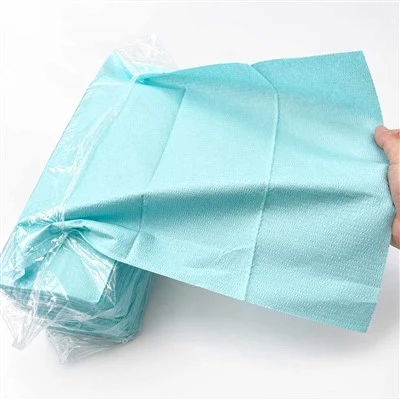
From a user standpoint, floor wipes fall into two main groups: dry wipes and pre-wet wipes.
Dry floor wipes:
Best for dust, hair, and light debris.
Often used with a flat mop head.
Very easy to store and almost no smell.
Less effective on sticky spills and oil.
Pre-wet floor wipes:
Come ready with cleaning solution.
Better for stains, grease, and shoe marks.
Good for small areas or spot cleaning.
Create more packaging and fiber waste per use.
A comparison table here would be effective, with rows for "type of mess," "best use," "typical cost per room," "waste level," and "suitable floors." Small icons or simple bar charts can illustrate that dry wipes score high on hair pickup but low on grease removal, while pre-wet wipes do the opposite.
Matching Wipes to Different Floors
Floors are not all the same, and using the wrong wipe or liquid can damage them over time.
Hardwood:
Requires low moisture and gentle cleaners.
Overly wet wipes or harsh chemicals can dull the finish.
Laminate:
Sensitive to water seeping into seams.
Needs quick-drying wipes and light moisture.
Tile and Grout:
Hard and durable, but grout lines trap dirt.
Beneficial from textured wipes that reach into grooves.
Vinyl and LVT:
Quite tolerant but can look cloudy if the formula leaves residue.
Stone (like Marble):
Can be damaged by acidic cleaners.
Needs pH-balanced products.
A matrix chart here with floor types as rows and wipe types as columns can help: tick marks for good matches, and warning signs for risky pairings. Photo examples of streaking or dulling on the wrong surface can make the risks more concrete.

Health and Hygiene: How Clean Is "Clean Enough"?
Cleaning and disinfecting are not the same thing. A wipe that removes visible dirt can reduce many germs. Disinfecting requires the right formula, enough contact time, and a wet surface for long enough. Labels claiming to kill almost all germs may only be accurate under strict test conditions.
In daily life, disinfecting the entire floor is often unnecessary. It makes more sense for:
Bathroom zones around the toilet.
Sickrooms or areas with bodily fluids.
Places where pets had accidents.
For routine kitchen dust and footprints, a simple cleaning wipe or reusable pad with a mild solution is usually sufficient. An infographic-style chart can show three zones: "cleaning only," "clean + sometimes disinfect," and "disinfect required."
Cost and Waste Over Time
A pack of wipes may seem cheap, but the real question is: how much does it cost to clean your usual space? For example:
If one pre-wet wipe cleans only a small kitchen, you might need two or three for a larger area.
A reusable pad can handle multiple rooms before needing to be washed.
Dry wipes may be used daily, but each one ends up in the trash.
A bar chart comparing "cost per clean" across:
Single-use pre-wet floor wipes.
Dry wipes plus a spray cleaner.
Reusable microfiber pads plus diluted cleaner.
Old cloth and basic floor solution.
This same chart can have a second axis or color scale for "waste generated per month" to illustrate how many grams of material each habit discards.
Different Homes, Different "Best"
The best choice changes when considering real households:
Busy Parent:
Needs fast, simple tools.
Likely to combine a flat mop with a reusable pad for weekly cleaning and keep a small pack of pre-wet wipes near the kitchen for sudden spills.
Pet Owner:
Deals with constant hair and paw prints.
Dry wipes or reusable dust pads are excellent for daily cleanups, along with stronger wet cleaning for occasional deep floor care.
Allergy or Asthma Sufferer:
Often better off with low fragrance, low VOC formulas.
Wipes and pads that trap dust instead of stirring it up are more important than strong scents.
Eco-Focused User:
Prioritizes less plastic and fewer chemicals.
Reusable microfiber or spunlace pads, washed regularly, can meet this need when combined with simple, clear cleaning formulas.
Persona-based diagrams or small profile cards, each with a mini toolkit illustration, can help readers envision themselves and their ideal mix of products.
Simple Home Tests to Judge Floor Wipes
You don't need a lab to compare wipes fairly. A short "home test" section can include:
Sticky Test: A small patch of dried sauce or jam.
Grease Test: A light smear of oil or butter.
Dust Test: A line of flour or cocoa powder.
Residue Test: After the floor dries, a clean finger swipe to check for stickiness.
Smell Test: Clean a small area, close the door for ten minutes, then step back in.
Turn this into a small, printable-style score sheet: each wipe or pad gets a 1–5 rating in each test, along with notes on ease of use. A simple table or scorecard graphic can make comparisons easy.
Where Advanced Nonwoven Wipes Fit In
Nonwoven technology allows wipes to be strong, low-lint, and designed with specific embossing patterns for better dirt pickup and consistent liquid release. For example, static-embossed spunlace wipes offer a solid balance of absorbency, strength, and smooth glide on modern hard floors without leaving fuzz behind. These are useful not only in homes but also in workshops, clinics, and hospitality settings where consistent performance is more important than packaging style.
For readers interested in higher-performance options or private label supply, spunlace floor wipes made from fully synthetic fibers are common in professional ranges. Products such as 100% Polyester Static Embossed Spunlace Floor Wipes or specialized Hardwood Floor Wipes can be tailored in size, thickness, and emboss pattern to match specific cleaning tools and floor types. For more information or to request a free sample for testing, you can contact info@westonmanufacturing.com.