Silk has been used in medical applications for centuries, most notably as sutures in surgical procedures. However, recent advancements in biomedical engineering and materials science have revealed far more profound advantages of this remarkable natural material. The primary advantage of using silk in medical textiles lies in its unique combination of exceptional mechanical properties, biocompatibility, and versatile processability, which together create an unparalleled biomaterial for healthcare applications.
Molecular Structure and Mechanical Superiority
At the molecular level, silk fibers are composed of fibroin proteins with remarkable structural organization. Silkworm silk consists of two main proteins: a light chain (~26 kDa) and heavy chain (~390 kDa) present in a 1:1 ratio and linked by a single disulfide bond. These proteins are characterized by repetitive protein sequences that form β-sheet structures due to the dominance of hydrophobic domains consisting of short side-chain amino acids in the primary sequence.
This molecular arrangement results in extraordinary mechanical properties that surpass many synthetic alternatives. Degummed silk fiber (with sericin removed) demonstrates tensile strength of 610-690 MPa, significantly outperforming many conventional materials. The strength-to-density ratio of spider silk is approximately ten times higher than steel, while maintaining impressive elasticity with a breaking strain of 4-16% for degummed silk.
This mechanical superiority translates to medical textiles that can withstand physiological stresses without failure, provide reliable support during tissue regeneration, and maintain structural integrity throughout the healing process-advantages that are particularly valuable in load-bearing applications such as ligament and tendon repair.
Biocompatibility and Host Response
The biocompatibility of silk-based biomaterials represents another significant advantage. Once the sericin coating is removed through degumming, silk fibroin demonstrates excellent tissue compatibility with minimal immune responses. The U.S. Food and Drug Administration recognized silk as a biomaterial in 1993, validating its safety profile for medical applications.
Silk's biocompatibility stems from its proteinaceous nature and the ability to degrade into natural amino acids. Unlike synthetic polymers that may produce acidic degradation products, silk fibroin breakdown yields biologically compatible components that are readily metabolized or excreted by the body. This property is crucial for implantable medical textiles that must integrate with host tissues without provoking chronic inflammation or rejection responses.
Research has shown that silk-based dressings have anti-inflammatory and pro-angiogenic properties that significantly accelerate wound healing, even when compared to commercially available wound dressings. These characteristics make silk particularly valuable for chronic wound management where the normal healing process is impaired.

Versatile Processing and Manufacturing Flexibility
Another distinct advantage of silk in medical textiles is its remarkable processing versatility. Silk can be manufactured into various morphological forms including fibers, films, sponges, hydrogels, and non-woven mats, each suitable for different medical applications:
Fibers for sutures and textile-based implants
Sponges for tissue engineering scaffolds
Films for wound dressings and drug delivery systems
Hydrogels for injectable formulations and soft tissue repair
Non-woven mats for connective tissue and endothelial applications
This processing flexibility enables the development of tailored medical textiles that address specific clinical needs. For instance, the degradation rate of silk biomaterials can be precisely controlled through processing parameters that influence beta-sheet crystallinity, allowing manufacturers to design textiles that maintain integrity for predetermined periods before gradually dissolving.
Functionalization and Drug Delivery Capabilities
Silk's chemical structure provides abundant opportunities for functionalization through amino acid side chains, enabling surface modification or immobilization of cellular growth factors. This advantage facilitates the development of advanced medical textiles with enhanced bioactive properties.
The "beta-sheet" structure of silk fibroin allows it to act as a sustained-release drug delivery vehicle-unlike many other natural proteins. As researcher Yajun Shuai notes, "Many drug carriers are like sprinters-fast but short-lived. Silk fibroin is more like a marathon runner, able to support long-term drug release." This controlled release capability can reduce overall dosage requirements and minimize side effects.
This drug delivery advantage enables the creation of multifunctional medical textiles that not only provide structural support but also deliver therapeutic agents directly to the target site. Applications include antimicrobial wound dressings, pain-reducing surgical meshes, and anti-inflammatory tissue scaffolds.
Biomechanical Compatibility and Tissue Matching
A particularly sophisticated advantage of silk-based medical textiles is their ability to be engineered to match the biomechanical properties of target tissues. Different tissues in the human body exhibit distinct mechanical characteristics-from the soft flexibility of skin to the tough resilience of cartilage and the tensile strength of tendons.
By adjusting processing parameters such as molecular orientation, crystallinity, and fiber geometry, silk medical textiles can be designed to mimic the mechanical behavior of native tissues. This compatibility reduces stress shielding phenomena and promotes more natural tissue regeneration by providing appropriate mechanical cues to cells.
This biomechanical matching is especially valuable in tissue engineering applications where scaffolds must provide temporary mechanical support while gradually transferring load to the newly formed tissue as it matures.
Environmental Sustainability Considerations
In an era of increasing environmental awareness, silk offers advantages as a renewable and biodegradable material compared to many synthetic alternatives. Silk production relies on natural biological processes rather than petroleum-based chemistry, reducing reliance on non-renewable resources.
While environmental considerations are secondary to medical efficacy in healthcare applications, the sustainability profile of silk aligns with growing initiatives toward greener healthcare systems. This advantage may become increasingly relevant as regulatory bodies place greater emphasis on the environmental footprint of medical devices.
Clinical Validation and Historical Precedence
Unlike many novel biomaterials, silk benefits from extensive clinical history through its long-term use as surgical sutures. This clinical track record provides valuable insights into its performance in the human body over extended periods and under various physiological conditions.
The centuries of use as sutures have established a strong safety profile and generated substantial clinical data that informs contemporary medical textile development. This historical precedence reduces uncertainties associated with completely novel materials and facilitates regulatory approval processes.

Limitations and Challenges
Despite these significant advantages, silk-based medical textiles face several challenges that must be acknowledged:
Source variability: Natural variations in silk cocoons due to seasonal, climatic, and feed differences can create inconsistencies in the raw material. This variability presents challenges for standardized medical-grade production.
Purification requirements: Complete removal of sericin is essential to minimize immune responses, requiring careful processing controls. Even trace amounts of sericin can potentially trigger inflammatory reactions in sensitive individuals.
Reproducibility challenges: Achieving batch-to-batch consistency in molecular weight and material properties requires strict quality control measures throughout the production process.
Cost considerations: While cost-effective compared to some advanced synthetics, silk remains more expensive than conventional textiles, potentially limiting its use in cost-sensitive applications.
Processing limitations: Some processing methods (particularly those involving harsh solvents) may compromise silk's natural advantageous properties or require additional purification steps.
Long-term degradation characterization: While generally predictable, the precise degradation rate in vivo can vary based on individual patient factors and implantation site, requiring careful product design.
Innovative Applications in Modern Medical Textiles
The unique advantages of silk have inspired diverse medical textile applications that extend far beyond traditional sutures:
Advanced wound care products: Silk-based dressings that promote healing through controlled moisture management and bioactive compound delivery.
Tissue engineering scaffolds: Textile structures that support the regeneration of bone, cartilage, tendon, and ligament tissues.
Drug-eluting implants: Textile-based devices that provide localized therapeutic delivery over extended periods.
Peripheral nerve regeneration: Conduits that guide nerve regeneration while delivering neurotrophic factors.
Vascular grafts: Small-diameter blood vessel substitutes with antithrombogenic properties.
Weston Nonwoven's Approach to Medical Textiles
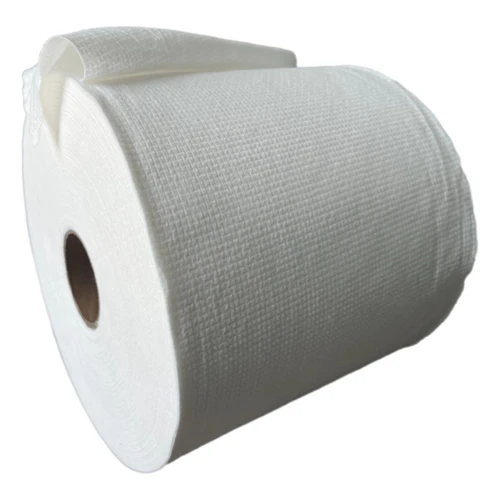
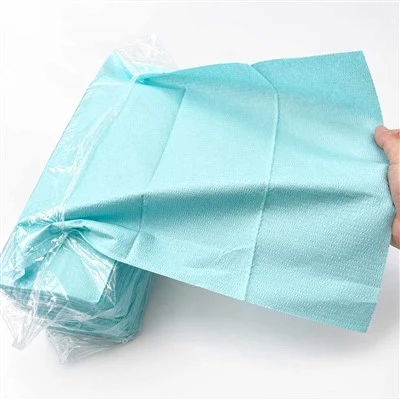
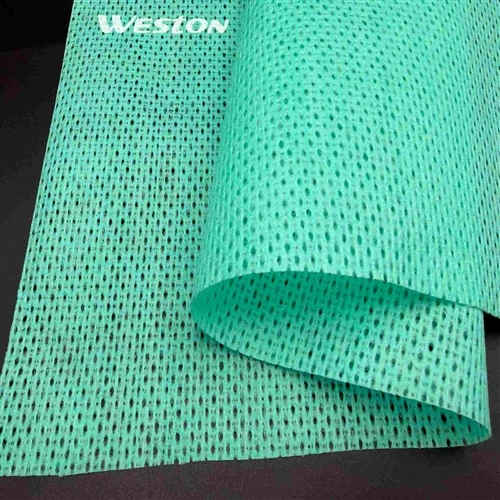
While silk offers remarkable properties for medical applications, other natural fibers also provide valuable characteristics for healthcare textiles. Weston Manufacturing leverages extensive expertise in nonwoven technologies to develop advanced medical textiles using various natural fibers including bamboo and cotton.
Their Bamboo Dinner Napkins demonstrate how natural fibers can be engineered for high-performance applications, with natural antibacterial properties derived from bamboo kun enzymes. Similarly, their Nonwoven Cotton Soft Tissues utilize the innate softness and absorbency of cotton for gentle patient care applications.
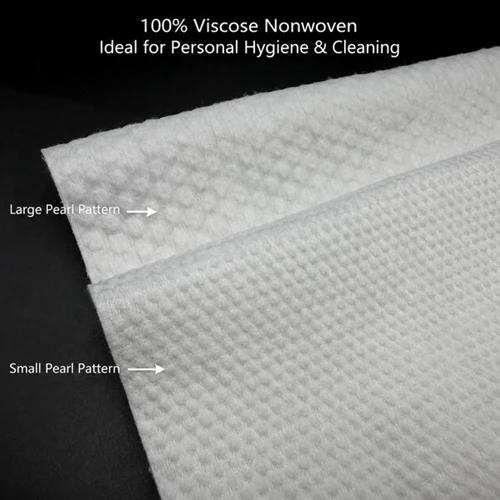
Weston's Pearl Texture Facial Towels illustrate how textural engineering can enhance functionality, while their Silk Sheet Mask Substrate represents the integration of silk's beneficial properties into skincare medical textiles. These products exemplify how different material advantages can be selectively leveraged for specific healthcare applications.
The company's research into spunlace nonwoven fabrics made from various fiber types including wood pulp, viscose, and lyocell demonstrates the continuing innovation in medical textile manufacturing. These technologies create fabrics with superior softness, absorbency, strength, and low linting characteristics valuable in medical environments.
Future Directions and Concluding Perspectives
The future of silk in medical textiles will likely involve increased molecular engineering to create variants with tailored properties for specific applications. Researchers are already exploring modified silk sequences with enhanced cell recognition or mineralization capabilities.
As processing technologies advance, we can anticipate more sophisticated multifunctional textiles that combine structural support, biological cues, and therapeutic delivery in precisely engineered systems. The integration of sensing capabilities into silk-based textiles represents another promising direction for creating "smart" medical textiles that monitor healing progress or detect complications.
The exceptional properties of silk-from its mechanical superiority to its biocompatibility and processing versatility-establish it as a uniquely valuable material for medical textiles. While challenges remain in standardization and processing, the fundamental advantages suggest silk will continue to play an important role in advancing medical textile capabilities.
As research continues to elucidate the complex relationships between silk's structure, processing, and performance, we can expect increasingly sophisticated medical textiles that harness these natural advantages to improve patient outcomes across diverse clinical applications.
For those interested in exploring medical textile solutions, Weston Nonwoven offers free samples of their innovative products. Please contact info@westonmanufacturing.com to learn more about their advanced nonwoven technologies.