Baby wipes are a daily essential in many homes and childcare settings, yet what happens after use gets little attention. Can they be flushed? Are "biodegradable" wipes different? Can they go in the compost? This article answers these questions with practical, verifiable information. The short version: in most cases, used baby wipes belong in the trash, not the toilet.

The Short Answer
Bag used wipes and put them in the trash.
Do not flush them, even if the pack says "biodegradable" or "plant-based."
Treat "flushable" claims with caution and check them against recognized standards (see below).
Compost only wipes with a specific compostability certification, and only where a suitable facility accepts them.
Check local rules separately for the packaging.
Why Baby Wipes Don't Belong in the Toilet
Wipes are not toilet paper
Toilet paper is made of short fibers with low wet strength, so it falls apart quickly in water. A baby wipe has the opposite job: it must stay intact while wet so it can clean skin without shredding. These two design goals conflict. A wipe strong enough to use is often strong enough to survive the sewer.
What happens after flushing
- Household pipes: Wipes catch at bends and joints, where they collect other debris and cause blockages.
- Septic systems: Wipes break down slowly and accumulate in the tank, shortening pumping intervals.
- Pumping stations: Fibers wrap around pump impellers, increasing maintenance and downtime.
- Treatment plants: Screens capture wipes, which must then be removed and sent to landfill.
Wipes are also a common component of "fatbergs," hardened masses of fat, oil, and grease. A fatberg removed from London's sewers in 2017 was reported to weigh around 130 tonnes, with wipes a major part of its makeup. Wipes are not the only cause, but they often provide the framework that other material clings to.
What Baby Wipes Are Made Of
A wipe has three parts: the substrate (the nonwoven fabric), the lotion (water, mild surfactants, humectants, preservatives), and the packaging (plastic film, lids, or tubs).
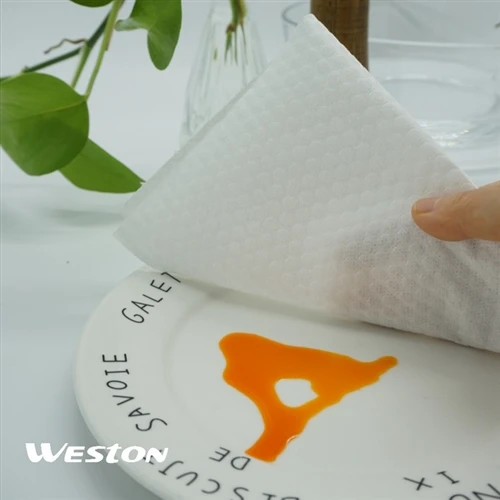
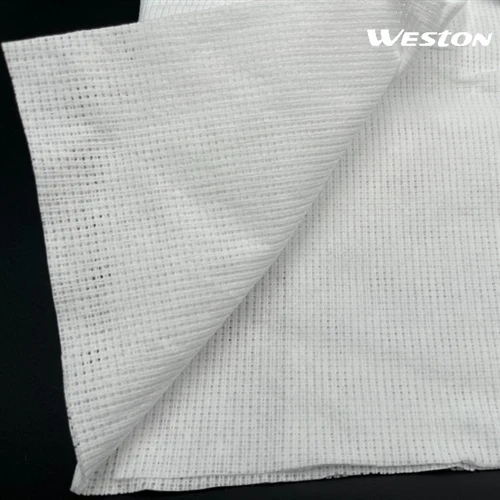
Many baby wipe substrates are made by spunlace, also called hydroentanglement. High-pressure water jets entangle fibers into a fabric without relying heavily on chemical binders. The result is soft, low-linting, and strong when wet, which is exactly why most spunlace baby wipes are not designed to disperse in a toilet.
Fiber choice affects what happens after disposal:
|
Fiber |
Origin |
After disposal |
Implication |
|
Viscose / lyocell |
Regenerated cellulose |
Biodegrades under moist, microbially active conditions |
Not automatically flushable or home-compostable |
|
Cotton / wood pulp |
Natural |
Biodegradable; slower if treated or blended |
Same as above |
|
Polyester (PET), polypropylene (PP) |
Petroleum-based |
Do not meaningfully biodegrade; may shed microfibers |
Trash only |
|
PLA |
Bio-based plastic |
Usually needs industrial composting |
Not for home compost or sewers |
Blends are common, so the ingredients list tells you more than the marketing claims do.
Decoding the "Flushable" Label
In principle, "flushable" means a product clears the toilet and drain lines, disperses within a reasonable time, and does not harm pumps or treatment systems. Testing frameworks include the INDA/EDANA flushability guidelines and the UK's Water UK "Fine to Flush" standard. They evaluate pipe clearance, disintegration, settling, and biodegradability, among other criteria.
These tests have limits. Laboratory conditions don't fully reproduce real sewer networks, and the water industry's general position is to flush only human waste and toilet paper. Some municipalities advise against flushing any wipe at all.
Regulation is also evolving. The EU's Single-Use Plastics Directive (2019/904) requires wet wipes containing plastic to carry a label warning against flushing, and several U.S. states, including California and Washington, require "Do Not Flush" labeling on non-flushable wipes. Requirements vary by region and are updated periodically.

A quick label checklist:
Is there a "Do not flush" symbol?
Does the pack cite a specific standard, rather than only the word "flushable"?
Do the ingredients include PET, PP, or PLA?
Does "biodegradable" come with stated conditions and a timeframe?
How to Dispose of Baby Wipes
Household trash (the default). Fold the used wipe and place it in a lidded bin or diaper pail, ideally in a small bag to control odor. Empty the bin regularly.
Wipes used with dirty diapers. Follow local health guidance: shake solid waste into the toilet, then seal the diaper and wipes in a bag and put them in the bin. Do not flush the wipes.
On the go. Carry a small resealable or waterproof bag and dispose of it later. In public restrooms, use the bin, not the toilet. Outdoors, pack out all waste.
Composting. Home composting suits only products with explicit home-compost certification, and wipes soiled with human waste are generally not appropriate. Industrial composting requires compliance with standards such as EN 13432 or ASTM D6400, plus a local facility that accepts this type of waste. Many do not.
Recycling. Used wipes cannot be recycled. Packaging rules vary by area, and soft plastic film is often excluded from curbside collection.
Daycares and schools. Use foot-pedal lidded bins, set a regular emptying schedule, and post clear "Do not flush" signage near toilets.
Common Myths
"Biodegradable means flushable." Biodegradation depends on conditions and time. Flushability depends on how quickly a product disperses in pipes. They are different properties.
"Plant-based means compostable." Not necessarily. Plastic fibers, binders, or coatings may be present.
"One wipe won't matter." Blockages build up gradually, and a single wipe can be the start of one.
"Wrapping it in toilet paper helps." It doesn't.
"It will break down in a landfill." Landfills are dry and low in oxygen, so degradation is very slow.
What Happens After the Bin?
Most wipes end up in landfill, where cellulose-based materials can generate methane under oxygen-free conditions, or in waste-to-energy incineration where that is available. There is no perfect disposal route. Disposal is one stage in a product's life cycle, and the most useful step is to choose the right route from the start.
Reducing Wipe Waste
Use only as many wipes as you need. For some tasks, a soft cloth and water work well. Reusable cloths reduce disposable waste but add laundry water, energy, and detergent, so neither option is free of impact. When buying, rely on ingredient lists and certifications rather than headline claims.
A Note from the Nonwoven Manufacturing Side
Substrate design involves trade-offs among wet strength, softness, skin comfort, cost, and dispersibility. Making a material disperse more easily usually reduces its strength in use, and vice versa. Manufacturers control fiber selection and process, but not how the finished product is discarded.
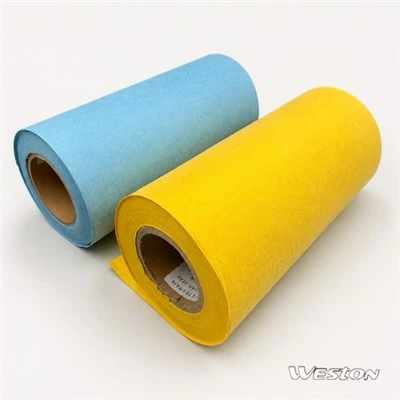
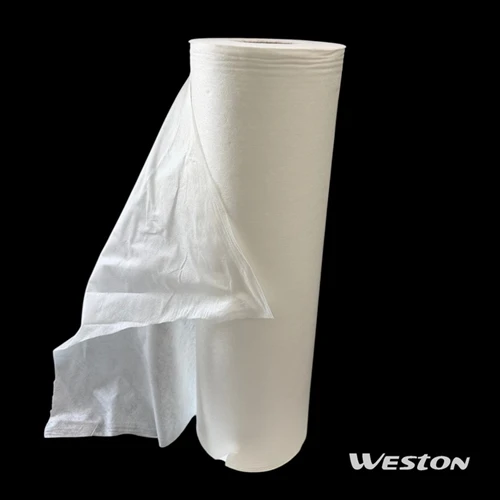
For brands and buyers evaluating a baby wipes substrate supplier, it is reasonable to ask for the fiber composition, the test data behind any flushability or compostability claim, and the labeling requirements of the target market. Weston Nonwoven produces spunlace nonwoven fabrics, and any disposal claim for a finished wipe should be backed by third-party testing of that specific product.
FAQ
Can I flush just one baby wipe?
It is not recommended. Even one wipe can snag on a pipe bend and start a blockage.
Are "flushable" wipes safe for septic tanks?
There is no universal septic-safe certification, and many septic professionals advise against flushing any wipes.
Can baby wipes go in the compost bin?
Only if they carry a relevant compost certification and your local program accepts them. Wipes soiled with human waste are usually excluded.
What should I do if I flushed a wipe and the toilet is clogging?
Stop flushing, try a plunger gently, and call a plumber if the problem persists. Repeated flushing can push the blockage deeper.
Can the packaging be recycled?
It depends on the material and your local rules. Rigid tubs are more likely to be accepted than soft film.